 NEWS
NEWSInside Donald Trump and Jimmy Kimmel's Feud: How 'Free Speech' Became Late-Night TV's Most Strategic Talking Point

Jimmy Kimmel faced backlash after his WHCD parody.

May 6 2026, Published 7:33 a.m. ET


The fight between late-night comedians and political power isn’t new, but the way it’s being framed is.
What might once have been dismissed as a comedian cracking jokes at a public figure has evolved into something far more charged, with accusations of censorship, calls for firings, and high-profile defenses invoking the First Amendment.
At the center of the latest clash is Jimmy Kimmel, whose parody of the White House Correspondents’ Dinner sparked outrage from President Donald Trump and first lady Melania Trump, who demanded ABC fire the host.
The legal reality vs. the political theater

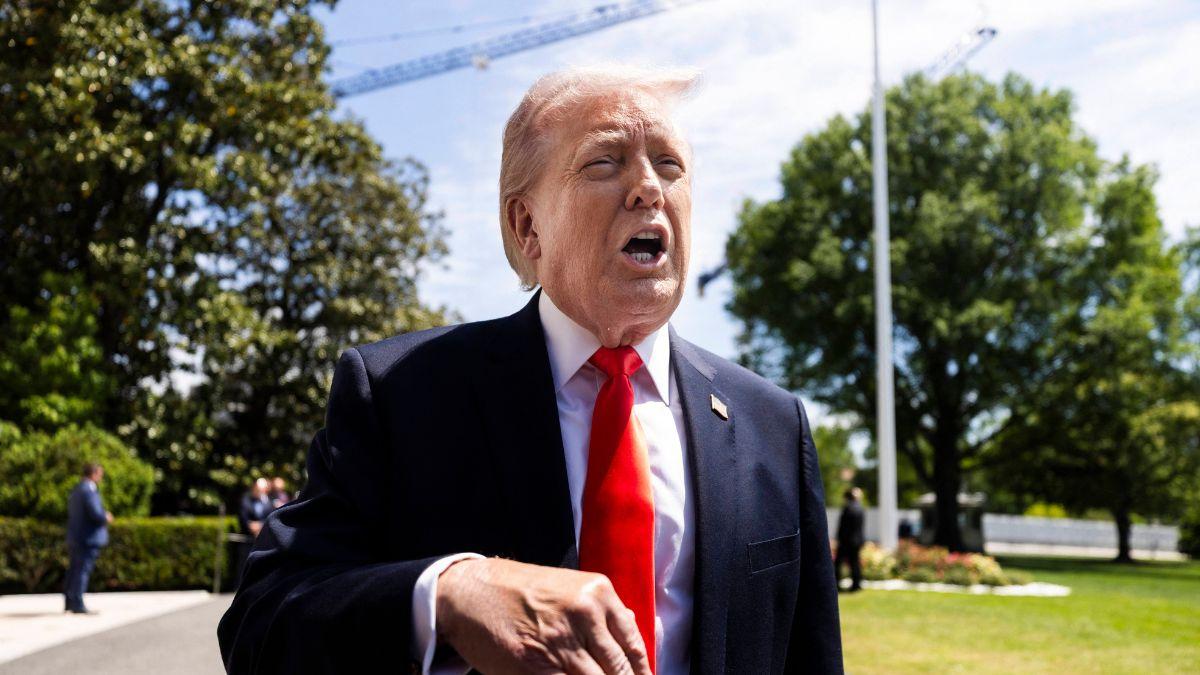
Donald Trump called for consequences.
For constitutional law scholar Robert McWhirter, author of Fixing the Framers’ Failure, the legal footing of these disputes is clear, even if the public framing is not.
“What most people don't understand is that these lawsuits are utterly frivolous and legally baseless,” he says. “From the very founding of the American republic, ridiculing public officials hasn't merely been tolerated, it's been explicitly protected by the First Amendment.”
That protection, he argues, is foundational.
“In fact, it is an absolute cornerstone of any functioning democracy,” McWhirter adds.
Yet the legal strength of that protection hasn’t stopped the escalation of threats, lawsuits, or public pressure campaigns. That’s where, McWhirter says, the real strategy lies.
“These lawsuits are pure theater,” he says. “It’s a show of claimed offense designed to deter speech.”
Free Speech Becomes the Headline
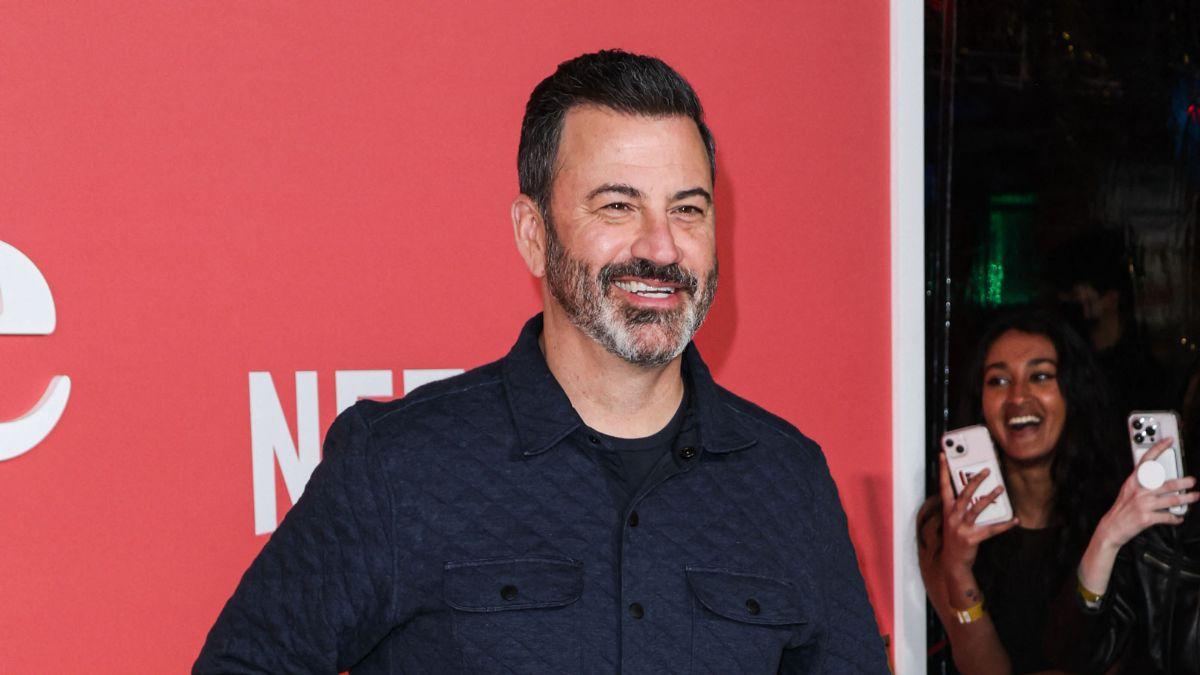
Satire remained protected under the First Amendment.
The rhetoric surrounding Kimmel’s joke illustrates how quickly a comedy segment can be reframed as something more serious.
“In America, satire is not a crime. The right to mock, to challenge, and yes, to offend those in power, is foundational to democracy,” the Committee for the First Amendment, led by Jane Fonda, said in a statement urging ABC to resist pressure to fire Kimmel.
The group framed the backlash as part of a familiar pattern, warning that demands for consequences follow “the same old, tired, authoritarian playbook: use the weight of government to pressure media outlets to silence speech it disfavors.”
Want OK! each day? Sign up here!
A Chilling Effect Beyond Hollywood
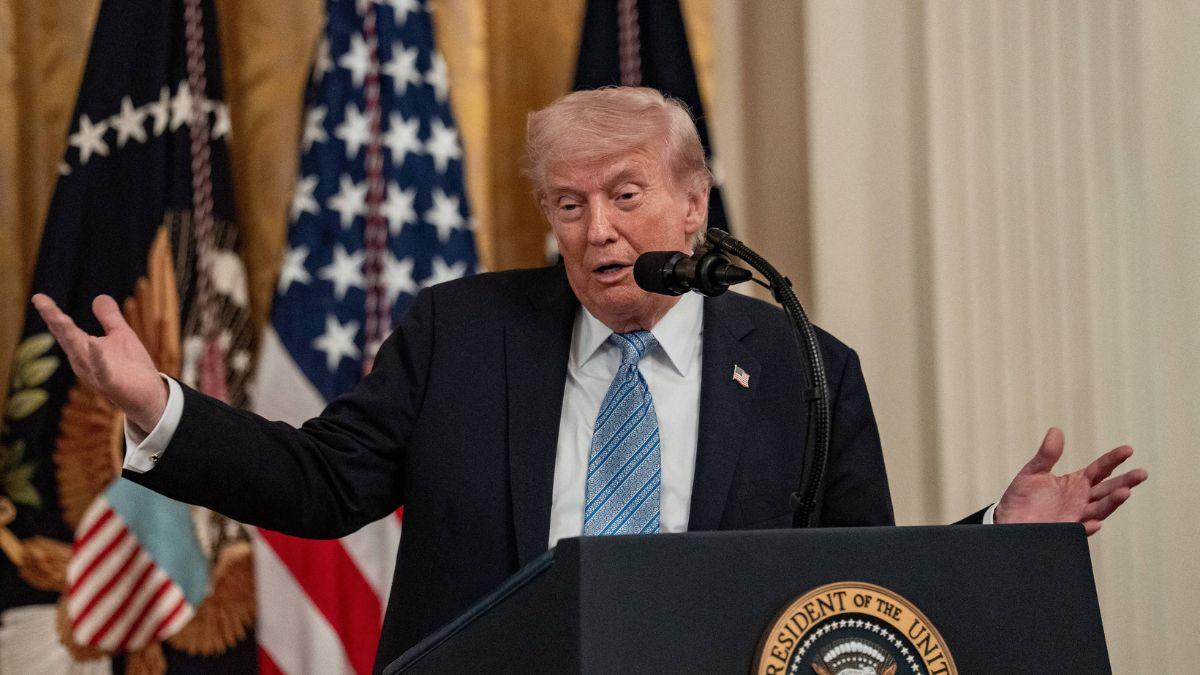
Groups framed the outrage as a threat to free expression.
While A-list comedians like Kimmel may have the resources and platform to withstand that pressure, McWhirter warns the broader impact lands elsewhere.
“For big-time comedians, that threat so very rarely works,” he explains. “But for the average person without a late-night audience of millions or the deep pockets to fight back, they might think twice in such an instance. Even though they have as much right to free speech as anyone.”
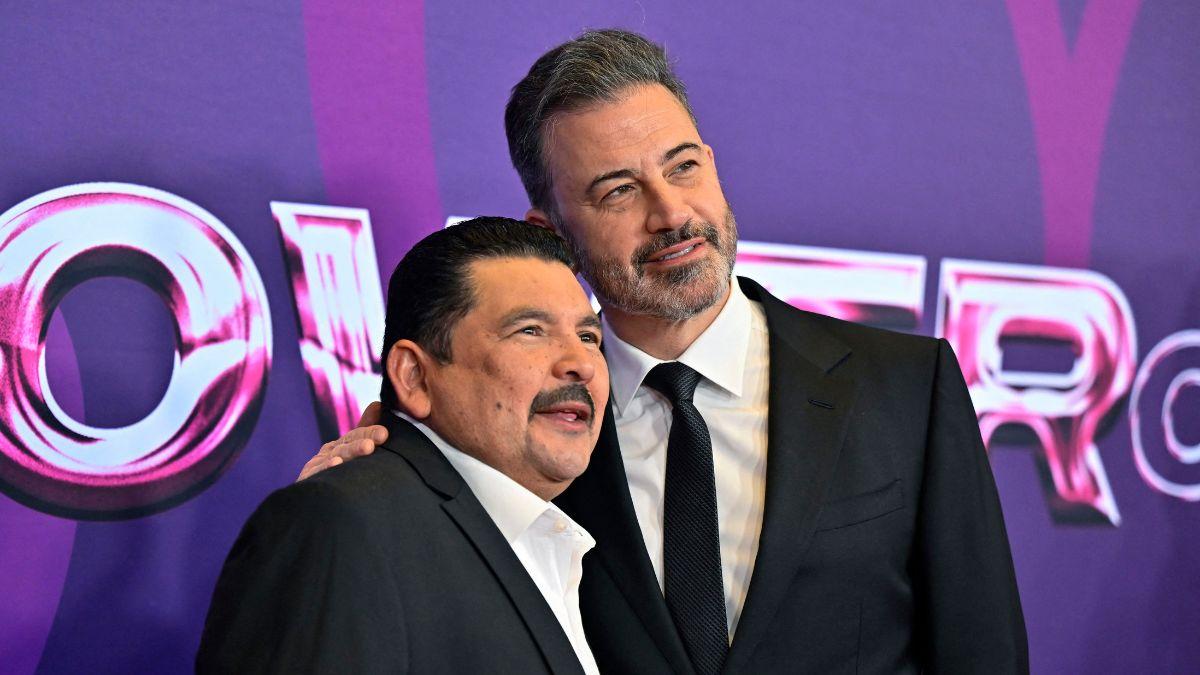
The feud highlighted tensions between comedy and politics.
Even if the law is on their side, the perception of risk can be enough to silence criticism, which McWhirter says is intentional.
“That's the chilling effect that thin-skinned leaders like Donald Trump are aiming for in America.”