
 Politics
Lindsey Graham’s Trump Transformation Becomes Part of His Political Legacy

Lindsey Graham evolved from Donald Trump critic to a close ally.

July 17 2026, Published 7:32 a.m. ET


Lindsey Graham’s political relationship with President Donald Trump was combative, theatrical, transactional and, eventually, highly consequential.
The South Carolina Republican, who died July 11 at 71, began the Trump era as one of the future president’s fiercest Republican critics. By the end, he had become one of Trump’s most reliable Senate allies, golf partners and cable-news defenders.
That whiplash is now part of how Graham’s public life is being remembered.
From Warning Siren to Ally

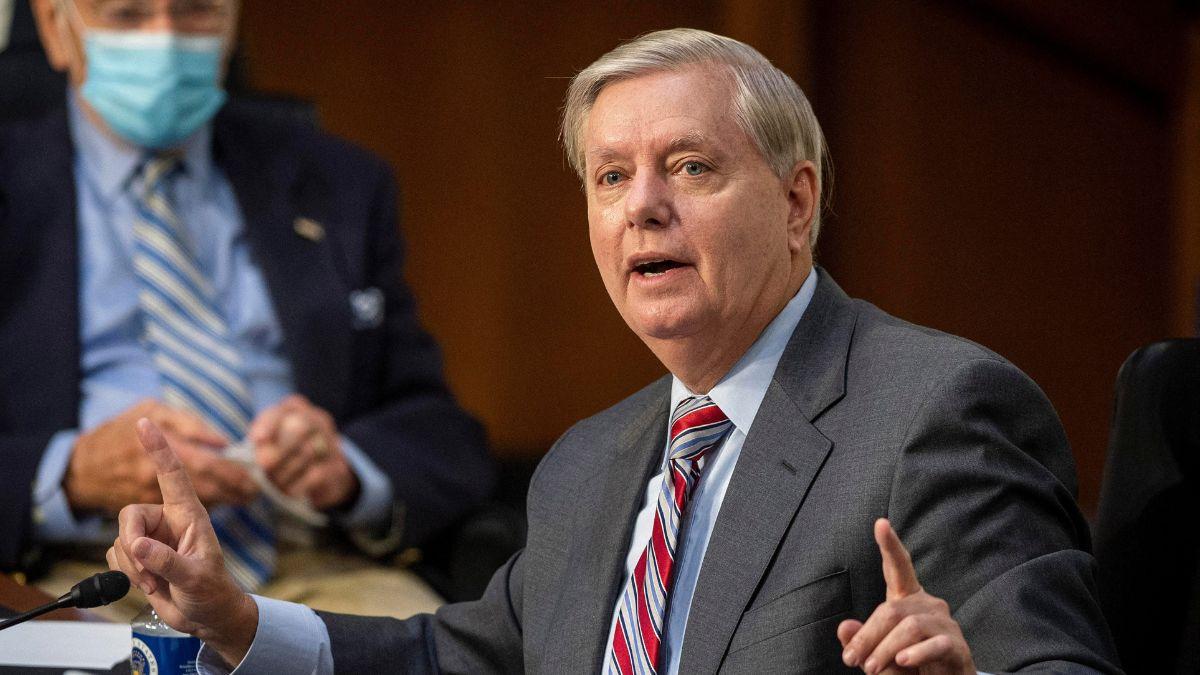
The late senator’s political reversal became part of his legacy.
During the 2016 presidential primary, Graham called Trump “unfit for office” and was furious when Trump mocked Sen. John McCain’s years as a prisoner of war. Trump escalated their feud by releasing Graham’s personal cellphone number, prompting Graham to film a viral video destroying a series of flip phones with a meat cleaver, golf club, blender, toaster oven and lighter fluid.
Graham later compared Trump winning the nomination to “being shot in the head” and refused to vote for him that November.
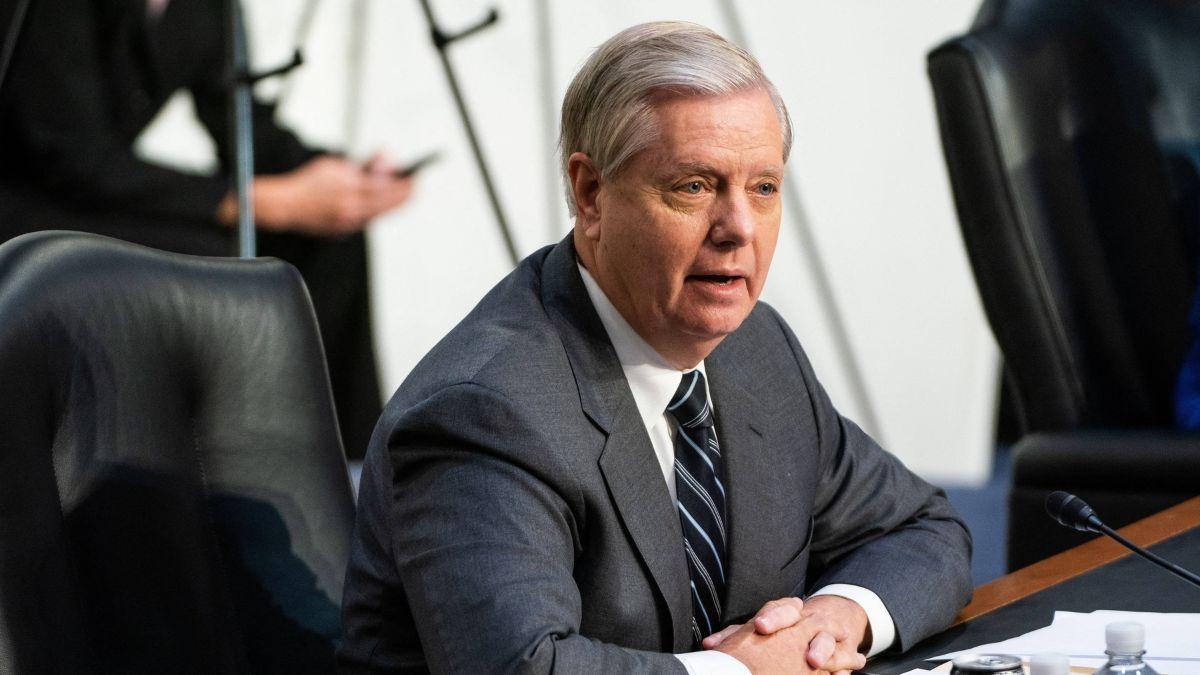
Experts said political alliances often shift with power.
But the relationship changed once Trump took power. The two bonded over golf and a shared sense of humor, and Graham became a regular White House presence who advised Trump on foreign policy, helped advance Supreme Court nominees and defended his agenda.
“American politics has a long tradition of rivals becoming partners,” said Christopher Lee, partner at Foresight Strategic Advisors. “And it’s not hypocrisy. That's simply the requirement of the job.”
Want OK! each day? Sign up here!
The January 6 Break That Wasn’t
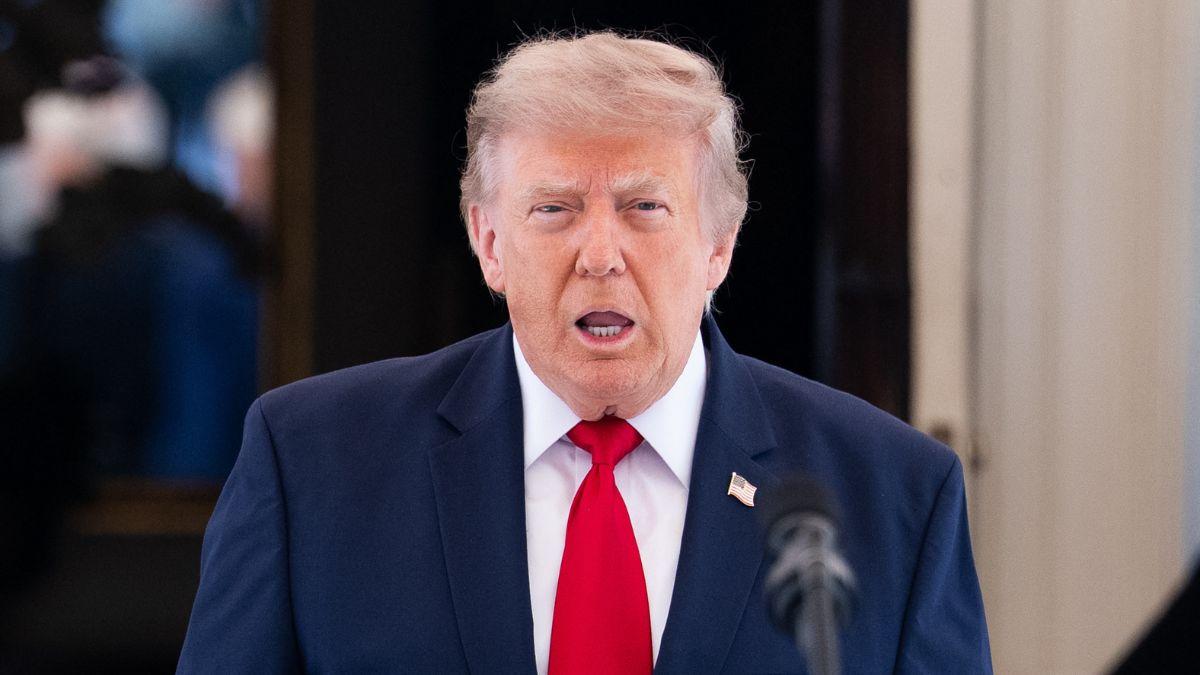
Lindsey Graham returned to supporting the president after the January 6 Capitol riot.
“All I can say is count me out. Enough is enough,” Graham said from the Senate floor after the January 6 Capitol riot.
Four months later, he had changed course again.
“Can we move forward without President Trump? The answer is no,” Graham said in May 2021.
“Rational politicians are also calculating costs and benefits, and if they believe switching sides, allegiances, or positions will help them more than it would harm them, they will not hesitate to flip,” said Costas Panagopoulos, professor of political science at Northeastern University.
“There's a reason why the old adage — that ‘politics makes strange bedfellows’ — exists,” he added.
The Power of Proximity
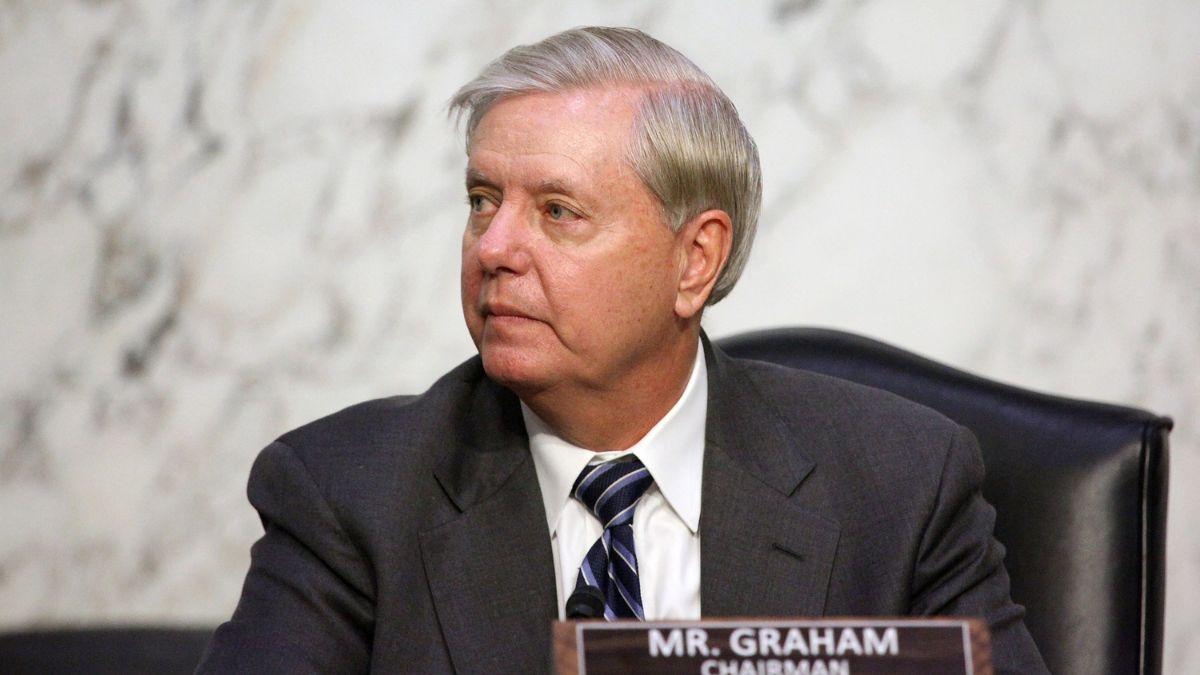
Experts said proximity to power shaped public perception.
“He literally told the country Trump was a 'race-baiting, xenophobic bigot' and warned that if Republicans nominated him, they would destroy the party and deserve it,” Lee recalled, adding that he later became a “devoted Senate courtier” in Trump’s orbit.
“Media attention, access, and donor pressure all reward proximity to whoever holds power, and alignment tends to drift toward that gravity,” said Amore Philip, founder of Apples and Oranges Public Relations.
“The figures who survive these reversals with their credibility intact are the ones who name the change openly and give a reason for it,” she added. “The ones who pretend they were always consistent are the ones who earn the whiplash label.”