
 Politics
Pete Hegseth Says Firing Squad Execution of Fort Hood Shooter Nidal Hasan Will Be Livestreamed to Emphasize Consequences of 'Radical Islamist Attack'

Nidal Hasan committed the crime in 2009.
Oct. 9 2026, Published 10:31 a.m. ET


Defense Secretary Pete Hegseth confirmed that the upcoming firing squad execution of convicted Fort Hood mass shooter Nidal Hasan will be publicly livestreamed by the Pentagon to emphasize the severe consequences of his 2009 attack.
Hasan, an Army psychiatrist, stated during his trial that he carried out the attack to engage in jihad. He claimed his goal was to protect Muslims and Taliban leaders in Afghanistan from American military aggression. He viewed the U.S. "War on Terror" as an inherent war against Islam and explicitly targeted unarmed soldiers in a medical processing building because they were preparing to deploy overseas.
When Will the Execution Happen?

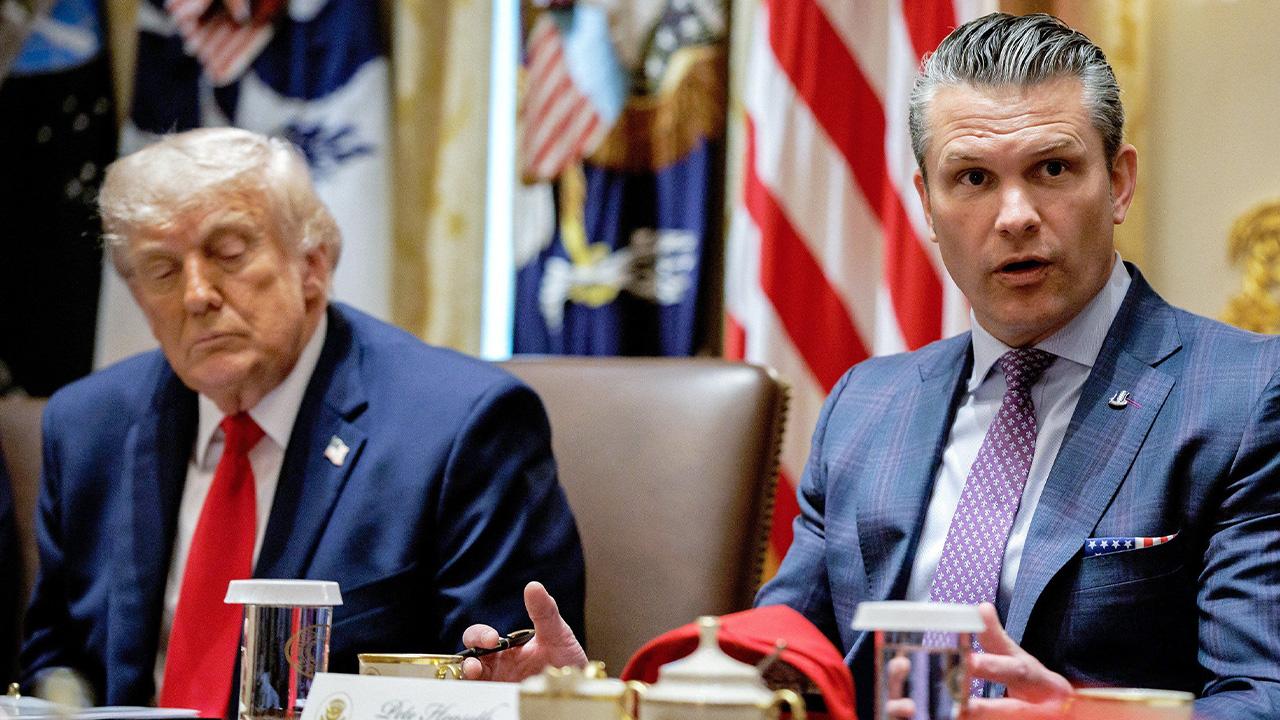
Nidal Hasan's execution will be publicly livestreamed by the Pentagon.
The execution is scheduled for December 3 at 1:00 p.m., matching the day of the week and exact time the 2009 shooting began.
The Pentagon said the killing will be broadcast to the public via a livestream.
Hegseth stated on Real America's Voice that making the execution public is a "no-brainer" so that people understand there are serious consequences for “a radical Islamist attack” from within the military ranks.
Chief Pentagon spokesman Sean Parnell said that Hegseth recommended the firing squad method and that President Donald Trump formally approved it.

Hegseth said publicizing the execution was a 'no-brainer.'
This will mark the first U.S. military execution in more than 65 years, following the 1961 hanging of Army Pvt. John A. Bennett at Fort Leavenworth, KS, for the r--- and attempted murder of an 11-year-old Austrian girl.
It represents the first military execution by a firing squad since World War II.
The announcement that it would be broadcast to the public triggered a firestorm of outrage and condemnation from political figures, legal experts, human rights organizations, and even survivors of the 2009 attack.
Critics maintain the move sets a dangerous precedent and turns judicial action into a violent media spectacle.
- The Mystery Behind Jamal Khashoggi Murder Video — Why Did CNN & ABC News Spike Gruesome Tape Purporting To Show Modern History's Most Brutal Assassination?
- WHCD Shooting Suspect Cole Tomas Allen No Longer on Suicide Watch, Says Lawyer
- Pete Hegseth's Pentagon Faces Lawsuit Over Withholding Documents On Women In Combat Review
Want OK! each day? Sign up here!
The Decision Was Met With Backlash
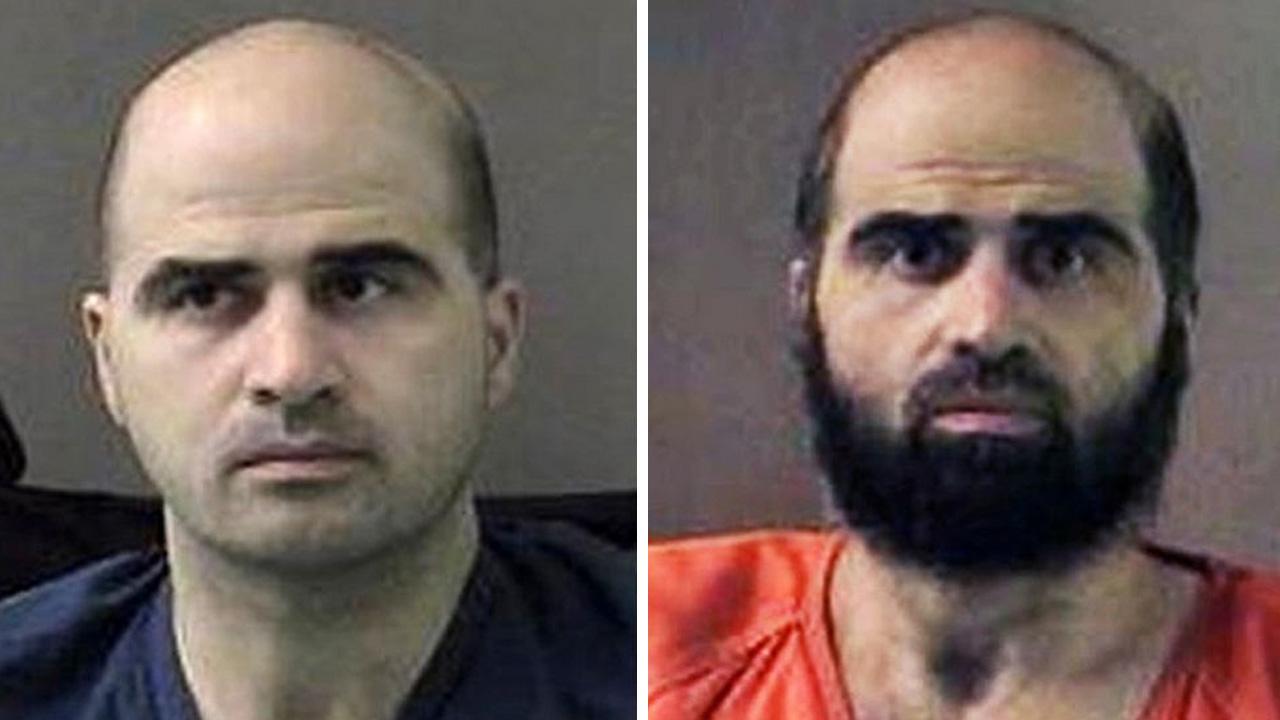
This will mark the first U.S. military execution in more than 65 years.
Democratic Sen. Chris Murphy blasted the decision on CNN, calling the plan "disgusting" and comparing the state-sanctioned broadcast to the graphic public executions filmed and distributed by the Islamic State terrorist group.
John Mills, a defense attorney who works with death row inmates, noted that livestreaming an execution is "unprecedented in the modern era." He added that the decision places the military on "uncertain legal terrain" and criticized the Trump administration's approach as "little more than attention-seeking."
Elisabeth Semel, co-director of the Death Penalty Clinic at UC Berkeley Law, questioned the state's intent. She observed that "this is a president who's about spectacle" and expressed skepticism that the administration had thoroughly vetted the deep legal and social questions tied to creating an unusual public broadcast of a violent death.

Donald Trump formally approved Hegseth's request for the firing squad execution.
The United Nations Human Rights Office stated to AFP that internet broadcasting is "tantamount to a public execution" and directly breaches absolute international prohibitions against torture and degrading treatment.
Widespread concern has appeared regarding public exposure to unfiltered violence. Critics note the extreme difficulty of preventing children or impressionable viewers from accessing the feed, stumbling upon uncensored recordings, or seeing viral screenshots on social media.
Alonzo Lunsford, a former U.S. Army sergeant who survived being shot seven times by Hasan during the 2009 massacre, voiced conflicted feelings. While Lunsford supports the firing squad method as a fitting punishment, he publicly disagreed with the livestream, stating that a human execution is "not something you should view for entertainment purposes" and should not be broadcast uncensored to the general public.