
 Politics
Inside Stephen Colbert's Scrapped Interview: How the 'Streisand Effect' Catapulted Host's Chat With Democrat James Talarico to Virality

Stephen Colbert’s interview with James Talarico gained virality despite being nixed from television.

Feb. 24 2026, Published 10:53 a.m. ET


Stephen Colbert says he was ready to welcome Texas Democratic Senate candidate James Talarico to The Late Show until network lawyers stepped in. What followed was a crash course in the Federal Communications Commission’s equal time rule, a revived regulatory crackdown on late-night TV and a viral surge that may have boosted the very candidate the segment was meant to sideline.
On his Monday, February 16, broadcast, Colbert told viewers Talarico “was supposed to be here,” but that CBS lawyers informed the show that the interview could not air on the broadcast. The concern, CBS later confirmed in a statement, was that airing the interview could “trigger the FCC equal-time rule for two other candidates” in the March 3 Democratic primary. Rather than provide comparable airtime to Talarico’s rivals, the show opted to post the nearly 15-minute segment on YouTube and promote it on air.

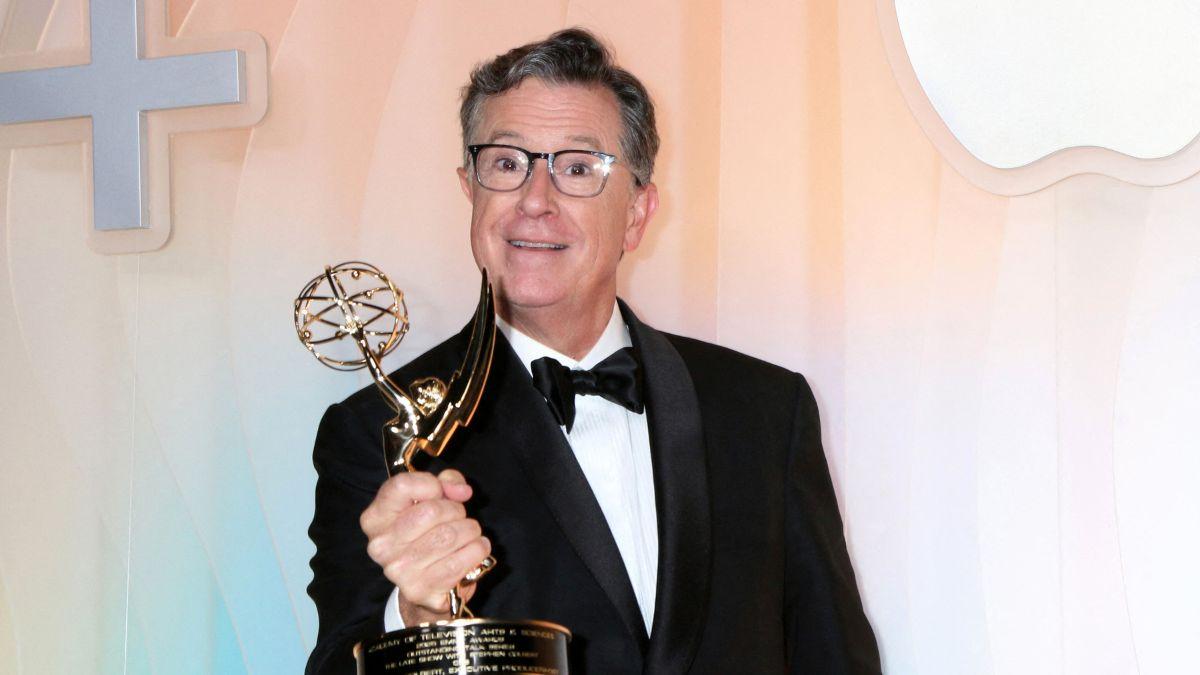
Stephen Colbert couldn’t hide his frustration over the canceled interview broadcast.
Colbert didn’t hide his frustration. “I was told in some uncertain terms that not only could I not have him on, I could not mention not having him on,” he said. “And because my network clearly doesn’t want us to talk about this, let’s talk about this.”
What Is the Equal Time Rule?
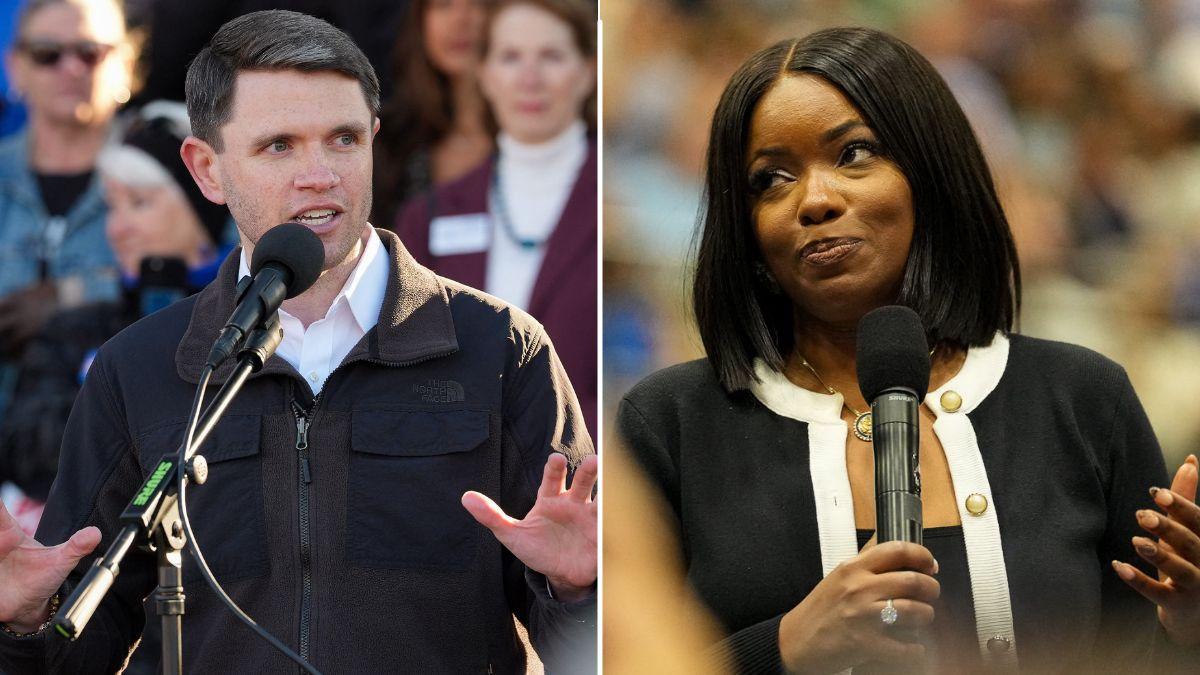
Based on the Communications Act of 1934, broadcast stations are required to provide comparable airtime to competing political candidates.
The equal time provision, part of the Communications Act of 1934, requires broadcast stations to provide comparable airtime to competing political candidates if one is given time on air. The rule applies to broadcast television and radio — not cable, streaming or social media — and contains exemptions for bona fide newscasts and interview programs.
Historically, late-night shows have fallen under that “bona fide” exemption, but in January, FCC Chairman Brendan Carr issued guidance suggesting the agency may more closely scrutinize talk shows, questioning whether they are “motivated by partisan purposes.” The notice said networks would need to apply for exemptions for individual programs.
CBS said The Late Show was “not prohibited” from airing the interview but was advised it could trigger equal-time obligations, including for Rep. Jasmine Crockett, another candidate in the race.
- Stephen Colbert Goes off at CBS for Claiming They Didn't Block Interview With Donald Trump Critic: 'So Surprised'
- 'Dead Man Walking': Donald Trump Fumes at 'Trainwreck' Stephen Colbert as President Calls for CBS to Cancel His Late-Night Show 'NOW'
- Jon Stewart Loses It After Donald Trump Contradicts His Own Statements About the Iran War: Watch
Want OK! each day? Sign up here!
The Streisand Effect in Action
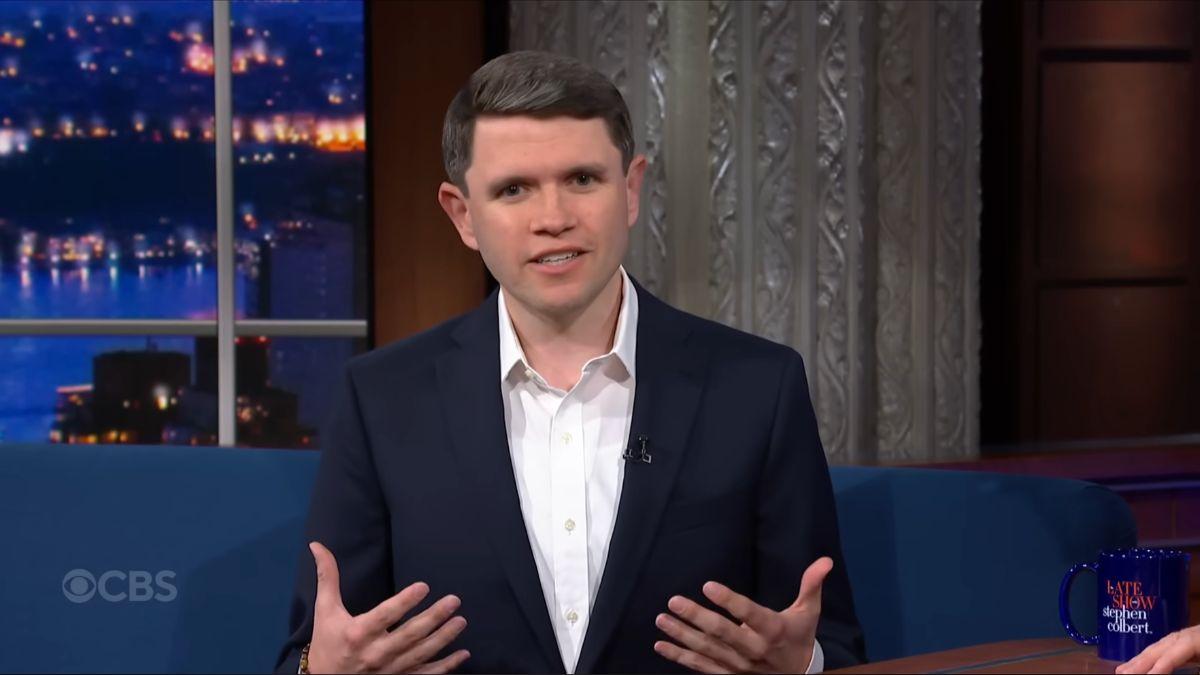
The ‘Streisand Effect’ was in action as the YouTube clip gained millions of views.
If the goal was to avoid controversy, the strategy backfired.
Within hours of Colbert’s explanation, the YouTube clip racked up views surpassing his previous nine posts. Social media commenters openly acknowledged they might not have watched the interview had it aired normally.
The phenomenon is an example of the “Streisand Effect,” a term coined after Barbra Streisand’s 2003 lawsuit to suppress aerial photos of her Malibu home only amplified public interest.
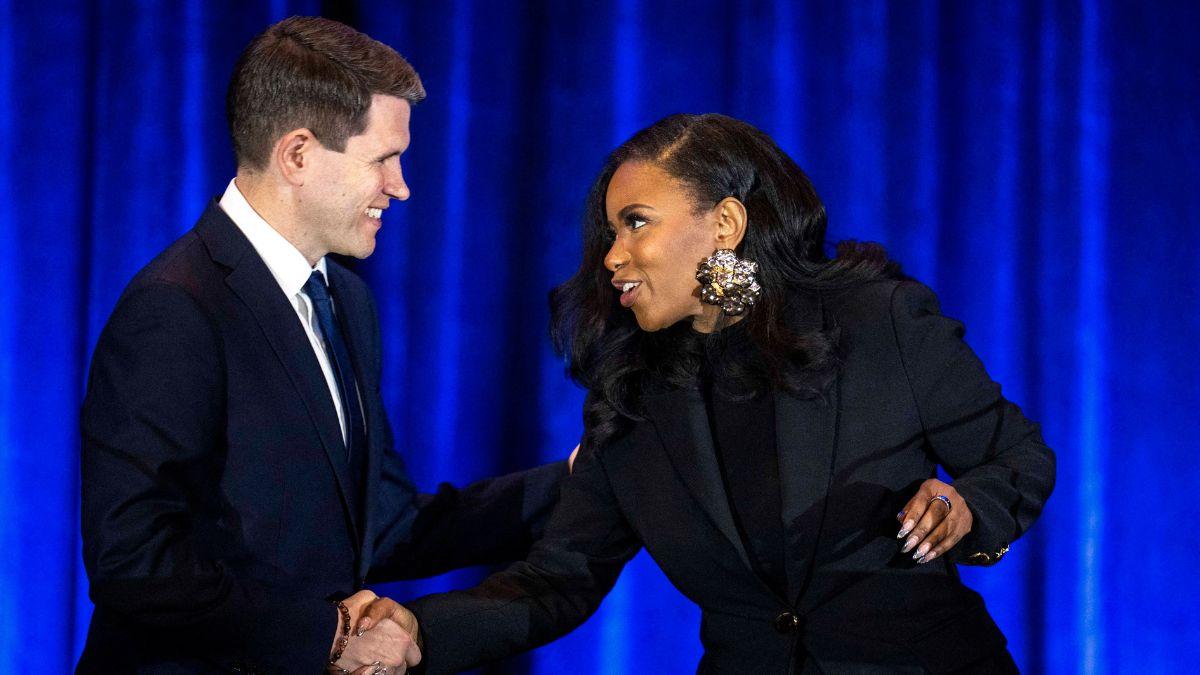
Searches for James Talarico surged over 24 hours following the canceled broadcast of the interview.
According to Google Trends, searches for Talarico surged over 24 hours. Polling from Texas Public Opinion Research previously showed Talarico and Crockett nearly tied — 38 percent to 37 percent — with Talarico hampered by lower name recognition.
Whether the spike translates to votes remains to be seen. But in an era where television rules stop at the edge of the internet, one thing is clear: pulling a segment from broadcast doesn’t mean people won’t see it. It might just mean more of them will.