
 EXCLUSIVE
OK! Reveals Why One Princess Diana Hairstyle Left Queen Elizabeth 'Enraged'

Queen Elizabeth was reportedly 'enraged' over Princess Diana's hairstyle.
Feb. 7 2026, Published 6:00 a.m. ET


OK! can reveal Princess Diana once learned a painful lesson about royal restraint after a single hairstyle provoked fury from Queen Elizabeth II and quietly reshaped how the young princess presented herself for the rest of her life inside the monarchy.
The incident took place in 1984, when Diana, then 23, attended the State Opening of Parliament alongside Prince Charles.
Styled by her longtime hairstylist Richard Dalton, the Princess of Wales appeared with her short hair swept into an elaborate chignon that framed her Spencer family tiara. The look was widely praised in the press but, according to Dalton, it crossed an invisible line at the top of the royal hierarchy.
Dalton, who worked closely with Diana throughout the 1980s, recalled the fallout in a chat to promote his inclusion in the new book It's All About the Hair: My Decade With Diana by royal expert Renae Plant.

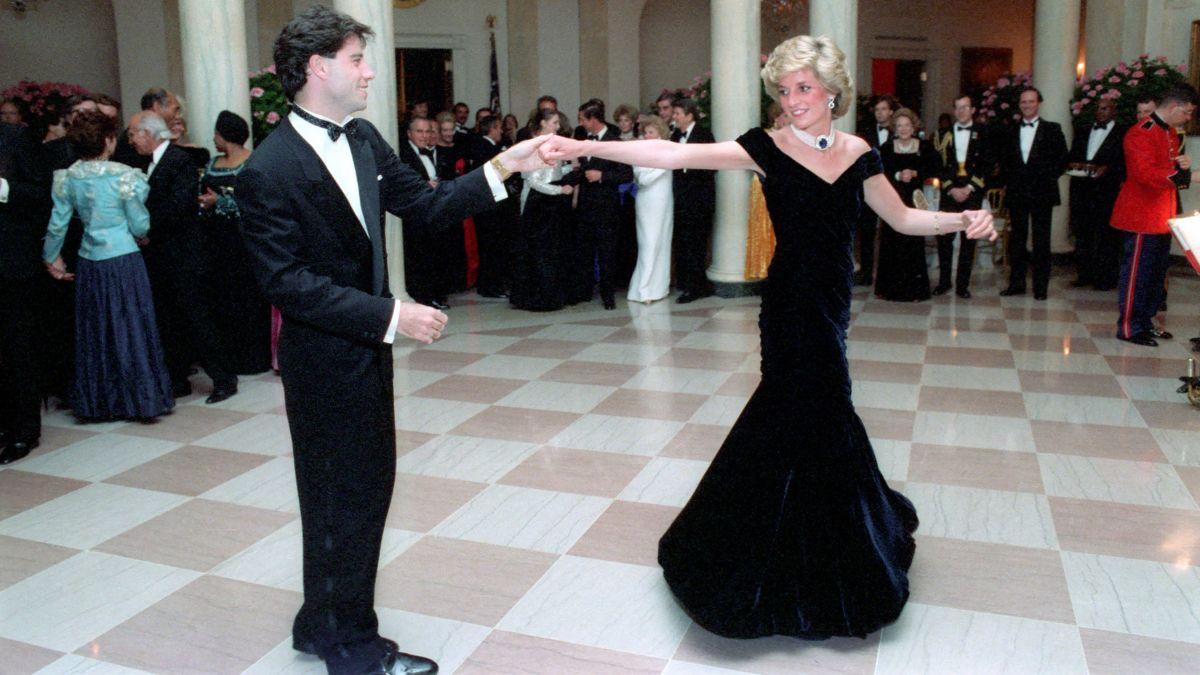
Princess Diana attended the State Opening of Parliament in 1984.
Reflecting on the aftermath, he said: "Diana's glamorous new hairdo made all the front pages the next day, totally eclipsing the solemnity of the occasion. The Princess learned her lesson that day and vowed her hair would never again be the center of attention and distract people away from the work of the royals."
Sources tell us Queen Elizabeth, then 58, believed the attention diverted focus from the constitutional importance of the event and was left "enraged" by Di's style choice.
One royal insider said: "The Queen felt the balance had tipped too far toward celebrity. From her perspective, nothing should outshine Parliament, and certainly not a hairstyle." The reaction had a lasting impact.
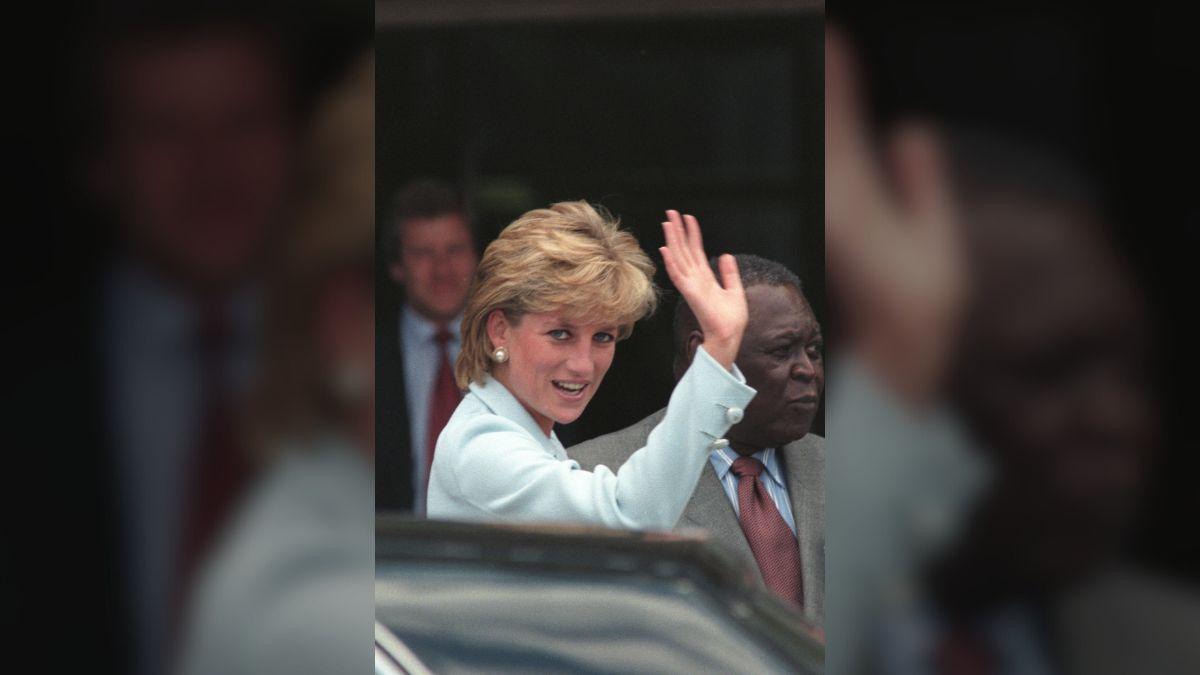
Queen Elizabeth was reportedly enraged by Princess Diana's hairstyle.
Dalton added Diana quickly adjusted her approach to avoid further conflict.
"From that point on, I only ever cut her hair a quarter of an inch at most," he said. "Her style was simple and flattering. Because it was short I could have her ready in 15 minutes."
According to other sources close to the royal household at the time, Diana was deeply affected by Elizabeth's response.
"She was sensitive to criticism, especially from the Queen," one source said. "She didn't want to be seen as frivolous or disrespectful, and that moment stayed with her."
- Prince William Skips Bow to Queen Camilla During State Visit — But Kate Middleton Complies Amid Rumored Feud
- Sarah Ferguson Brown Nosed Princess Diana by Laughing Over Tragic Royal's Brutal Nickname for Male Palace Staff
- Princess Diana Knew 'Shy' Prince William Didn't Want the 'Top Job' of Being King While Preparing Prince Harry for the Throne
Want OK! each day? Sign up here!
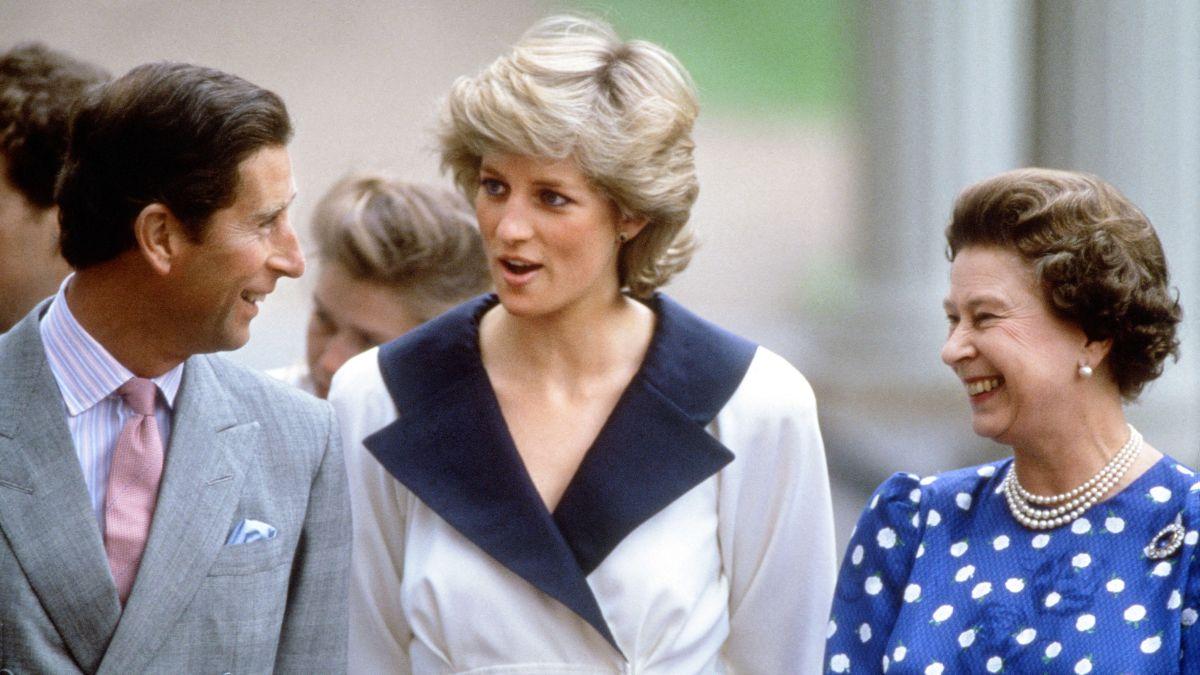
Princess Diana was allegedly deeply affected by Queen Elizabeth's response.
Despite the constraints, Dalton said his role went far beyond styling.
"Every woman confides in her hairdresser and she was no different," he said, adding hearing details of Diana's private struggles could sometimes make him "feel sick with stress."
Dalton added his job "was to listen, help her feel beautiful and confident and bring a little of the real world into her world."
Even when he was not physically present, Diana sought her stylist's advice.
Recalling the arrival of her younger son Prince Harry in 1984, Dalton said: "When she gave birth to Prince Harry, I was in Spain. I told her to put hot rollers in but she kept them in too long. 'I had big, big hair,' she told me."
Royal watchers say the episode illustrates the tension Diana – killed in a Paris car smash in 1997 at ge 36 – faced between individuality and institution.
One source said: "That hairstyle was a turning point. It showed her how narrow the path was, especially under Elizabeth. After that, Diana made sure her appearance never upstaged the crown."
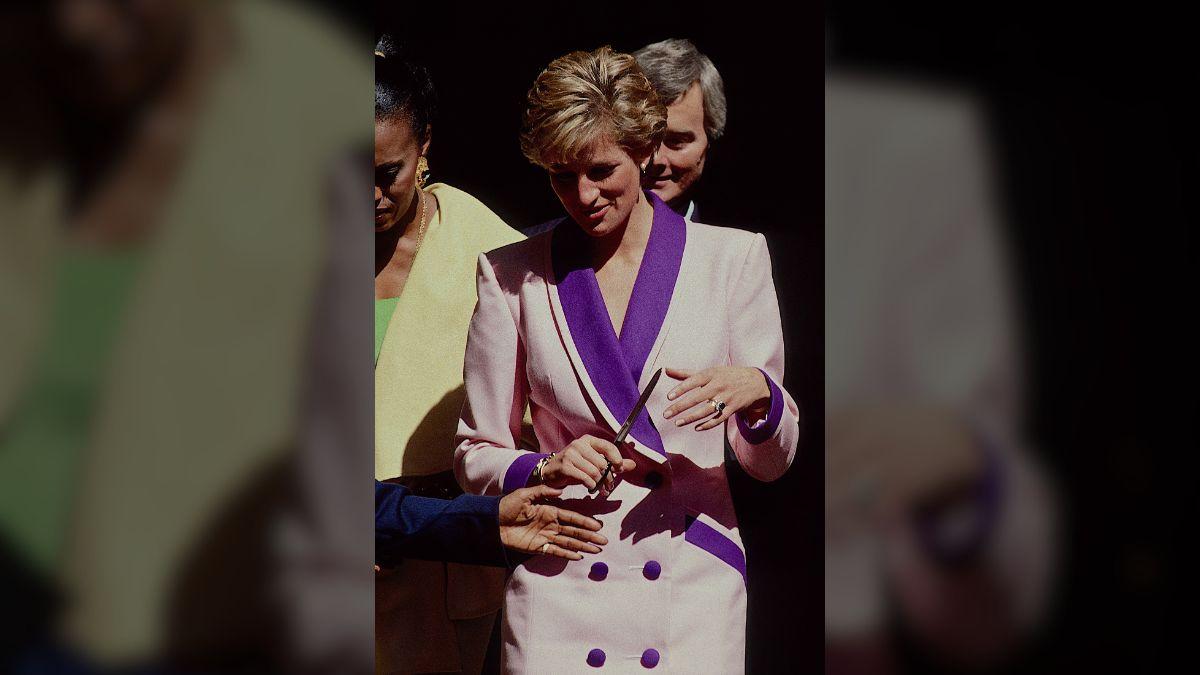
Princess Diana killed in a Paris car smash in 1997.
Despite the clash over her hairstyle, Diana reshaped modern fashion, blending aristocratic polish with approachability.
She elevated designers, popularized relaxed tailoring, and used clothing as communication, signaling empathy, independence and confidence.
Her evolving style mirrored personal growth, influencing generations worldwide – and proving fashion could humanize power while remaining timeless across cultures, eras and media globally.