
 Politics
Why the White House TV Press Pool Stopped Covering Donald Trump, and What It Means

Major television networks suspended pooled coverage after CNN was blocked from its scheduled assignment.

Sept. 27 2026, Published 7:05 a.m. ET


The major television networks that collectively document the U.S. president took a rare step Monday, September 20: They suspended pooled coverage of President Donald Trump.
The decision followed the White House’s refusal to allow CNN to perform its scheduled assignment during Trump’s trip to New York for the United Nations General Assembly. Rather than substitute another network, the five-member television consortium left the position unfilled.
Print, radio and wire reporters and still photographers continued their regular pool duties. The suspension applied only to events designated for television pool coverage.
How the Press Pool Works

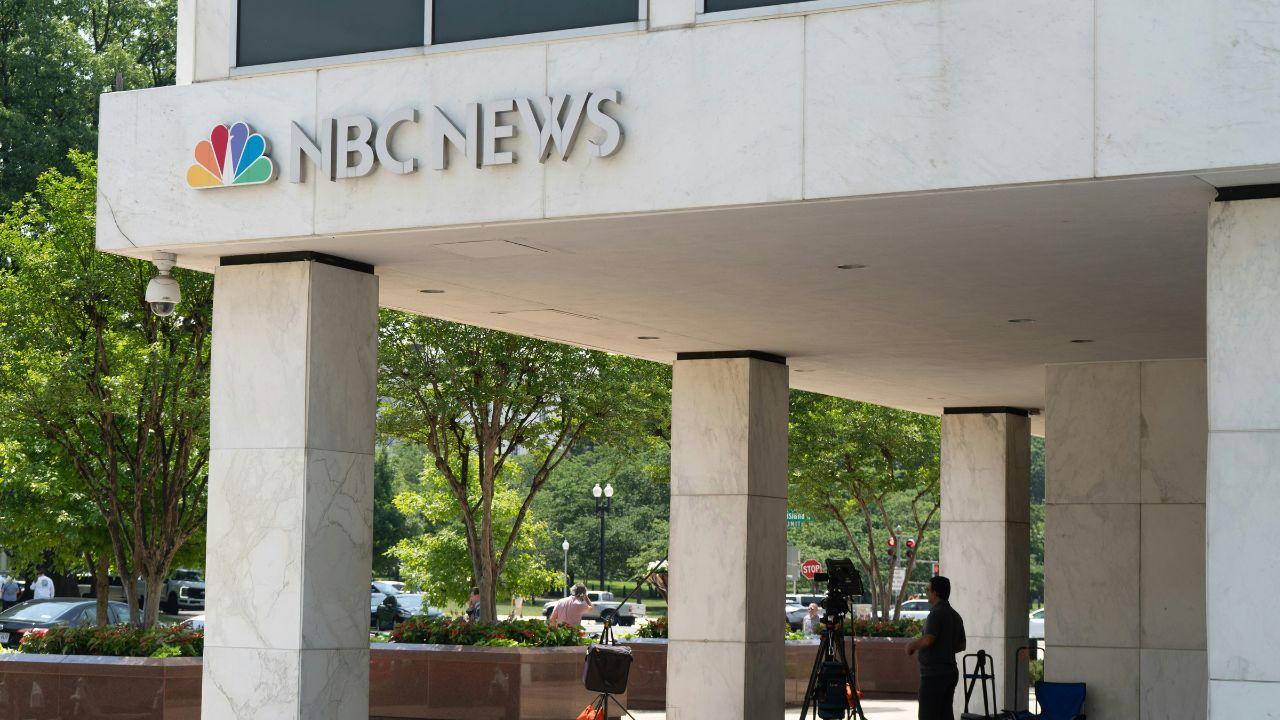
ABC, CBS, Fox News and NBC left the position unfilled.
Since Franklin D. Roosevelt’s presidency, a small group of journalists has represented the larger White House press corps in spaces that cannot accommodate hundreds of reporters, including the Oval Office, motorcades and Air Force One.
Pool journalists act as the entire press corps’ eyes and ears. Print reporters produce detailed written dispatches, while television crews record the president and distribute their footage live to other outlets.
ABC, CBS, CNN, Fox News and NBC rotate primary television responsibilities. The assigned network supplies a three-person team consisting of a camera operator, an audio technician and a producer or reporter.
The rotation also divides substantial expenses. Networks pay for travel, hotels, equipment, overtime and video transmission. Each normally assumes those costs once every five days.
Why CNN’s Removal Affected Everyone
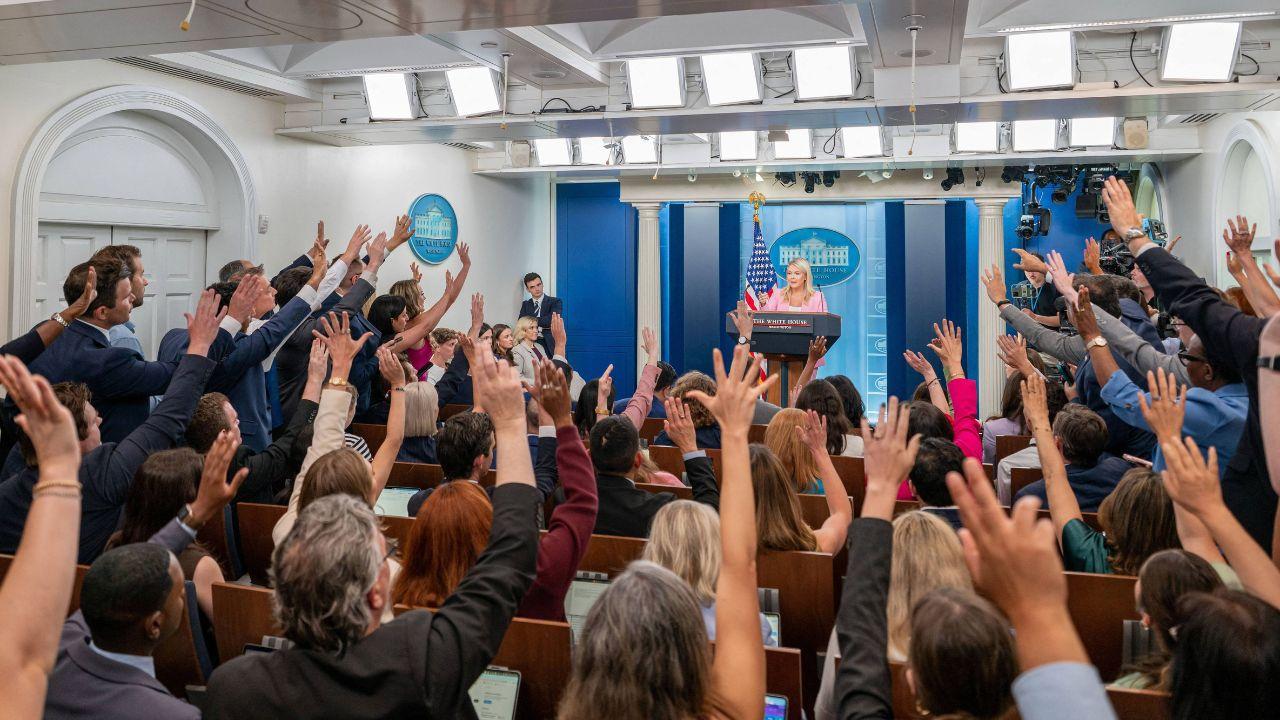
The White House television pool typically shared presidential footage with participating broadcasters.
CNN was scheduled to serve as the television pool on Monday, September 21, but Trump on Friday barred CNN, MS NOW and Politico from the White House over coverage he described as negative.
Removing one network could mean approximately 20 percent more assignments, and similarly increased staffing and financial burdens, for each of the remaining four TV networks.
Secondary crews were listed in the White House’s Monday guidance, but those teams typically attend events and ask questions rather than perform the primary pool’s technical and distribution responsibilities.
“There will be no replacement pool put in place,” acting television pool chair Bryan Boughton, Fox News’ Washington bureau chief, told members.
- Kaitlan Collins Sounds Alarm Over Donald Trump's Press Ban as TV Networks Unite
- President Donald Trump Calls for MSNBC to Be Shut Down in Bizarre Late-Night Rant: 'They Shouldn't Have a Right to Broadcast'
- Karoline Leavitt Calls It 'Scary' That Networks Can Choose Not to Air Donald Trump's Speeches Live
Want OK! each day? Sign up here!
What Viewers Lose

The lack of a primary TV pool left presidential events without shared camera coverage.
Without a primary television pool, designated events do not receive the customary independent network camera feed shared with broadcasters around the world.
The system is designed to keep journalists present during both routine movements and unexpected moments. Pool reporters have accompanied presidents during assassination attempts, secret wartime trips and other events when information had to be distributed immediately.
“All other pool coverage will continue as normal,” Boughton noted.
A Rare Collective Response

The decision highlighted the role of shared camera coverage in documenting presidential events.
Competing networks have seldom acted together this way. In 2009, they objected when the administration of President Barack Obama attempted to exclude Fox News from interviews with a Treasury Department official, and Fox was swiftly reinstated.