
 NEWS
NEWSAaron Carter Wrongful Death Case Reaches Settlement With Psychiatrist, But Legal Fight Isn’t Over

Aaron Carter’s family and psychiatrist reached a settlement.

May 17 2026, Published 6:33 a.m. ET


Nearly three years after Aaron Carter’s death, part of the legal battle surrounding his overdose has quietly reached a turning point, though the case itself is far from over.
Court filings reveal that Amen Clinics and psychiatrist Dr. John Faber have agreed to pay a “confidential sum” to settle wrongful death claims brought by Carter’s family on behalf of his four-year-old son. The agreement resolves allegations that Carter was overprescribed Xanax in the lead-up to his 2022 death, but it does not include any admission of wrongdoing.
What the Settlement Actually Means


Defendants continued to deny liability over Aaron Carter's death.
The settlement amount remains undisclosed, but filings indicate it falls in the ballpark of what the family might have recovered at trial, reportedly less than $325,000.
Importantly, the defendants continue to deny liability. Their legal team maintains that Carter’s death was not caused by Xanax, but by difluoroethane, a gas found in compressed air canisters.
Still, according to Michael Hamilton Kugler, Litigation Director at GOLDLAW, it can signal risk when defendants agree to pay.
“Readers can reasonably infer that the defendants recognized a significant risk that a jury would find the defendants responsible,” Kugler explained. “Many settlements also reflect the parties’ desire to control the detail of information that is available to the public, which would inevitably be exposed by a public trial.”
Why Both Sides Chose to Settle

The settlement meant both sides avoided trial risks.
“Neither side has to be wrong for a settlement to make sense — it just has to make more sense than a trial,” said Emily Mehr, Managing Partner at Sweet James, who is not involved in the case.
“The family wants accountability and financial security for Aaron's son. The medical providers want to avoid years of depositions, bad press, and the unpredictability of a jury,” she explained.
For Carter’s family, avoiding a prolonged trial may also spare them from reliving painful details in a public forum, an especially significant factor given that his young son is the beneficiary.
- Nick Reiner's Former Lawyer Alan Jackson Refuses to Reveal 'Who's Paying' for the Alleged Murderer's Defense Team
- Matthew Perry's Parents Are 'Thrilled' His Drug Dealer Will Go to Trial Next Year: 'You're Going Down, Baby'
- Matthew Perry's Parents Blame 'Greedy' Doctor for 'Conspiring' to Break Actor's Sobriety and 'Killing' Their Son With Ketamine
Want OK! each day? Sign up here!
Why This Case Is Still Ongoing
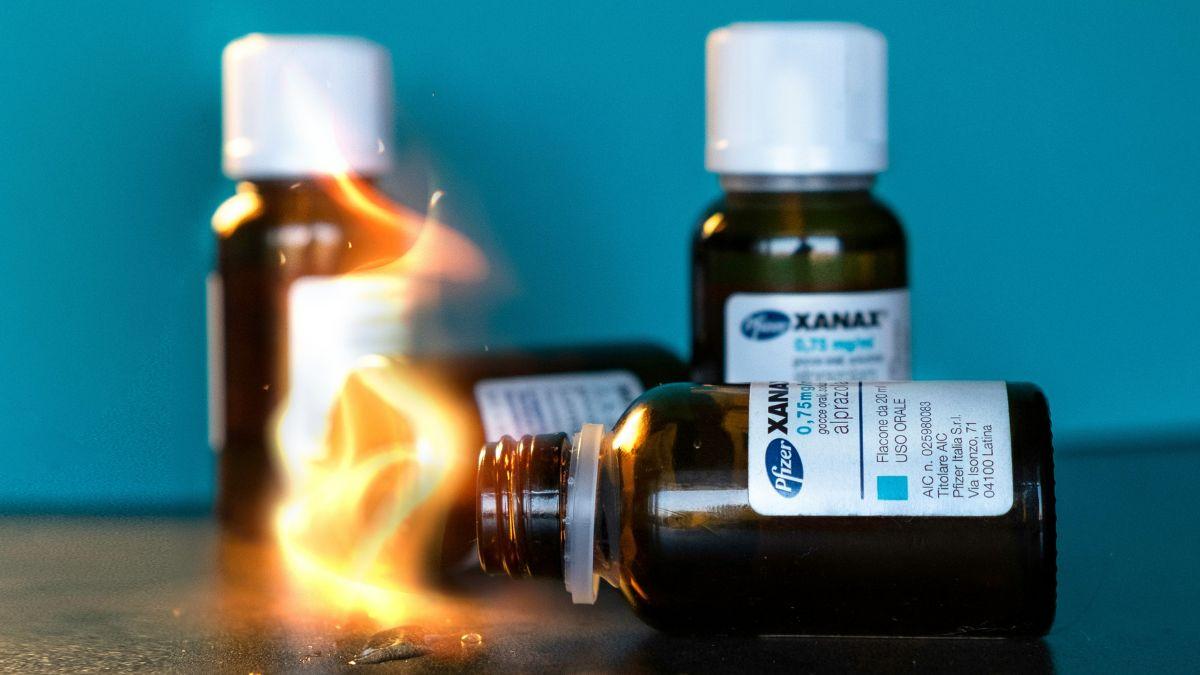
The agreement involved alleged Xanax prescriptions.
Other defendants — including dentist Jason Mirabile, Walgreens, and a Santa Monica pharmacy — have not settled and are expected to go to trial in October. Like Amen Clinics, they argue that the level of Xanax in Carter’s system was not sufficient to cause his death.
The case stems from Carter’s drowning at age 34, when he was found in a bathtub with drugs in his system. His family alleges that multiple medical providers failed to properly monitor or question his prescriptions.
The Court’s Next Step

A judge still needed to approve the deal.
Because Carter’s son is a minor, the settlement must still be approved by a judge before it becomes final.
“What can't be avoided — because California law doesn't allow it — is the court approval process required when the beneficiary is a minor,” Mehr added. “That approval process is what generated the public court filing people are reading about now.”