 Politics
Donald Trump Targets Late-Night Comedians and Journalists in AI Image Posting Spree

Donald Trump shared AI-generated images targeting public figures.

July 29 2026, Published 7:31 a.m. ET


President Donald Trump turned Truth Social into a gallery of AI-generated attacks on his media and entertainment enemies.
On July 26, Trump posted more than a dozen AI-generated or AI-altered images, beginning with one that depicted CNN’s Kaitlan Collins as Dylan Mulvaney, the Broadway actress and transgender advocate whose 2023 Bud Light promotion became a conservative flashpoint.

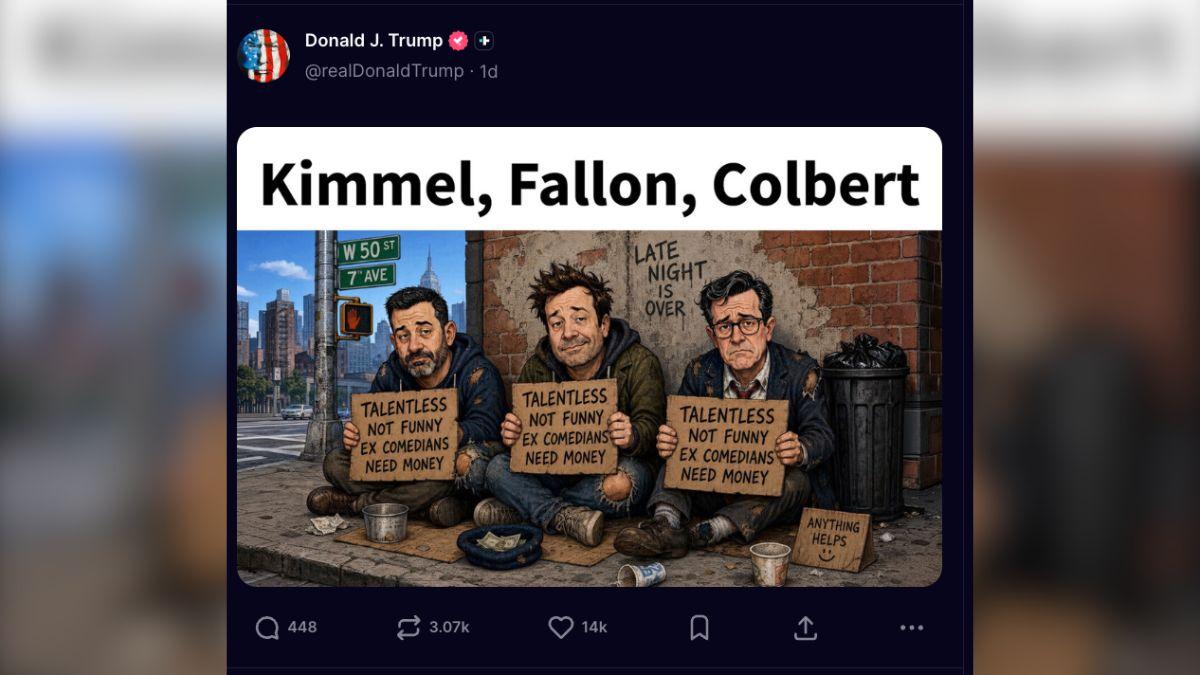
The posts mocked journalists and late-night hosts.
The posting spree also targeted late-night hosts Stephen Colbert, Jimmy Kimmel and Jimmy Fallon, along with longtime foes Rosie O’Donnell, Bruce Springsteen and Chris Christie. Other images showed Trump in “Trump 2028” imagery, including a fantasy museum exhibit, a campaign-style poster and mock movie posters presenting him as a sci-fi and horror-film hero.
AI Images Meet Late-Night Politics
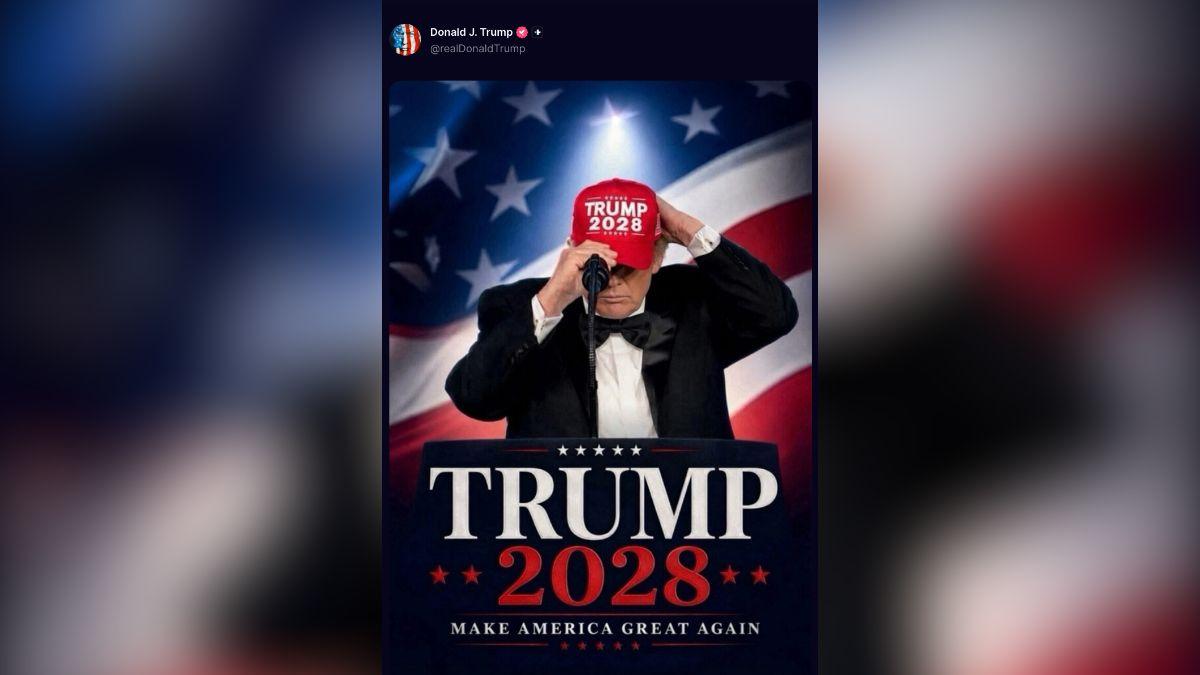
Donald Trump also promoted ‘Trump 2028’ imagery online.
The posts arrived days after Trump used his White House Correspondents’ Dinner speech to mock Collins, who had received the Award for Excellence in Presidential News Coverage Under Deadline Pressure. He also joked about running again, despite the Constitution’s two-term limit, and later posted images leaning into “Trump 2028” branding.
“Using AI-generated images to mock late-night hosts is a deliberate blurring of politics and entertainment, and it works because it meets people where they already scroll,” said Amore Philip, founder of Apples and Oranges Public Relations.
“A meme does not ask to be believed, it asks to be shared, and that lower bar is exactly why synthetic imagery has become such a potent messaging tool,” she added.
Want OK! each day? Sign up here!
A Fantasy Feed Amid Real Pressure
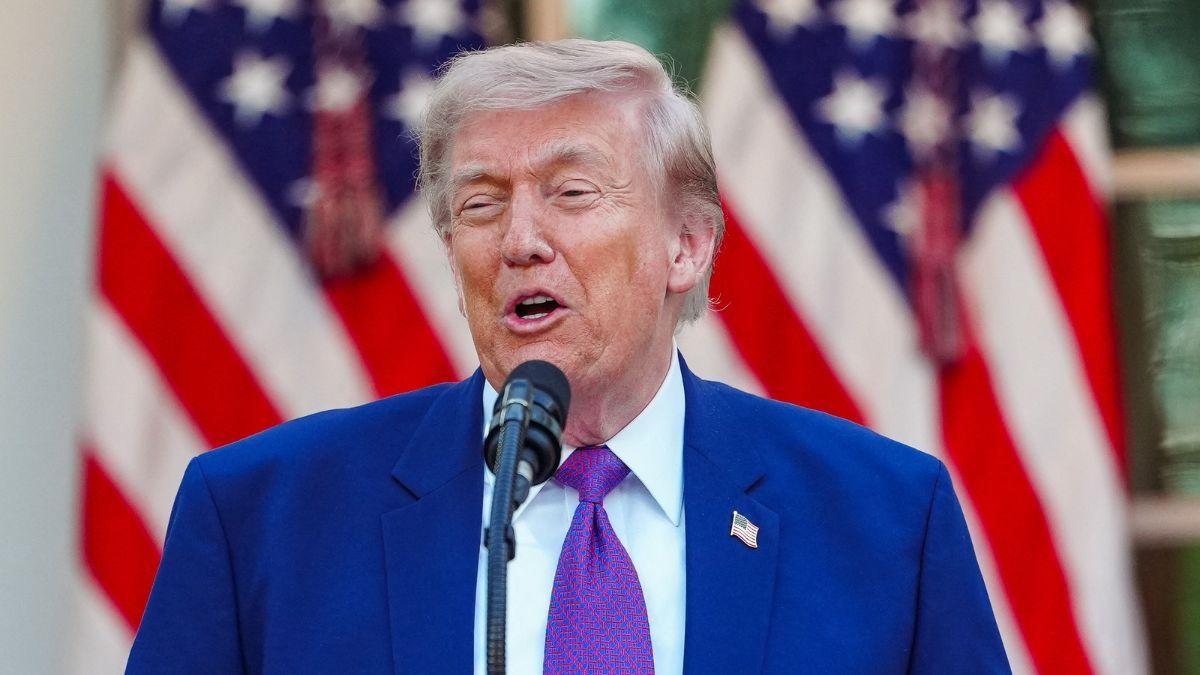
An expert said the AI-generated images blurred politics and entertainment.
Trump’s AI run also included images tied to the war in Iran. One, posted in three different versions, showed him aboard a ship standing over an Iranian flag while waving an American flag with soldiers nearby. The image read, “It’s Our Oil Tanker Now!”
The posts came as Trump faces mounting pressure over the conflict. The New York Times reported that aides have described him as more “erratic” than usual as he looks for a “face-saving” exit from the war.
The Challenge for Targets
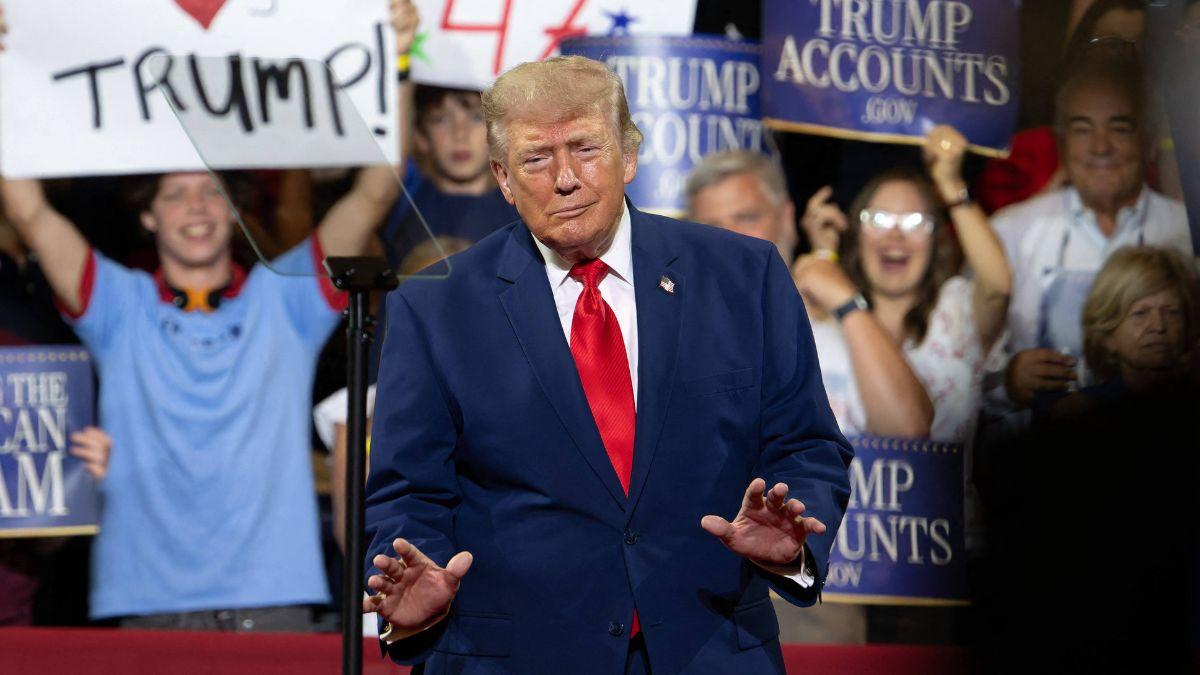
Experts urged public figures to avoid amplifying the president’s attacks.
Philip said the celebrities, journalists and networks pulled into the images face a familiar communications trap.
“The challenge for the hosts and networks targeted is to respond without amplifying,” she explained. “Every reaction feeds the reach, so the strongest play is often to answer with humor and confidence rather than outrage.”
In a media environment where political attacks increasingly arrive as shareable entertainment, Philip said preparation matters.
“In this environment, communicators have to assume anyone can be turned into content at any moment,” she said, “and the figures who prepare for that reality will navigate it far better than the ones caught flat-footed.”