
 Politics
Donald Trump Warned His Feud Against the Press Could Become 'History’s Most Foolish Constitutional Crisis' Amid New Lawsuit: Report

Donald Trump frequently clashes with well-respected members of the press.

Oct. 4 2026, Updated 2:49 p.m. ET


President Donald Trump’s attempt to exclude CNN, MS NOW and Politico from the White House press pool generated a lawsuit, a network boycott, an early-morning court ruling and days of additional coverage.
Now, even the conservative Wall Street Journal editorial board has questioned why Trump created the conflict, warning it could become “history’s most foolish constitutional crisis" in a new report.
A Ban That Created Its Own Story

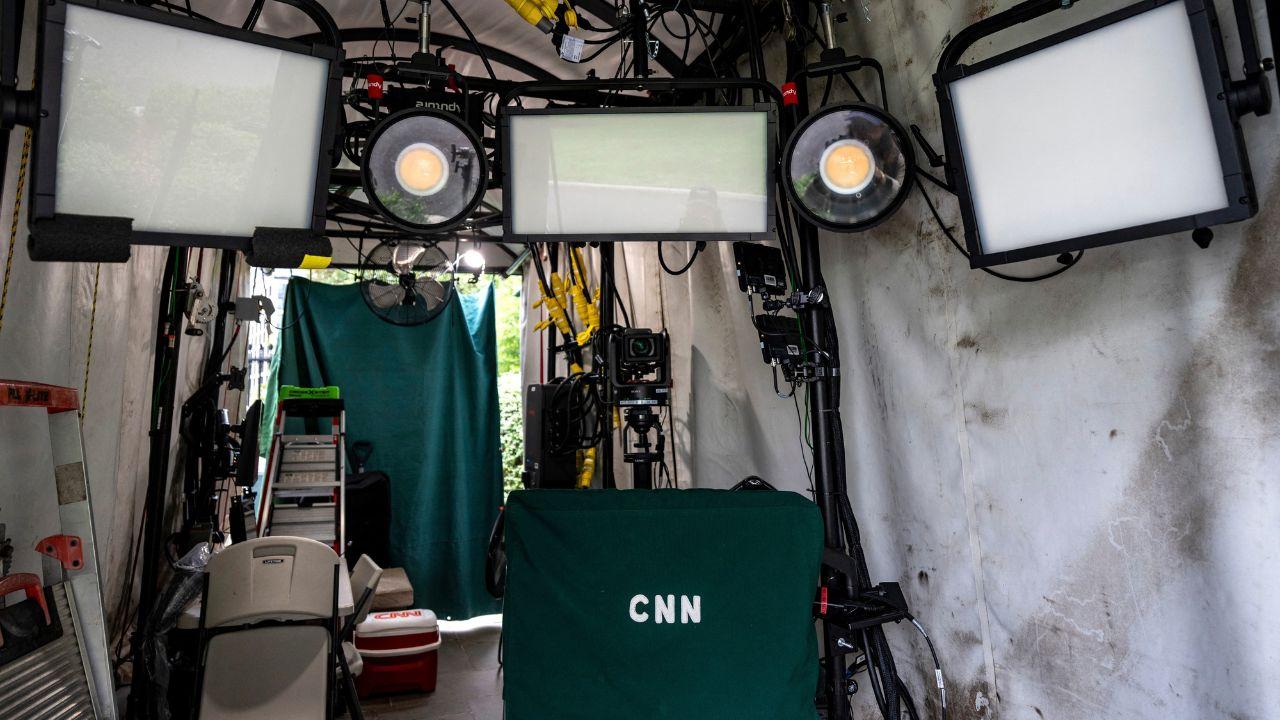
The White House press ban triggered a lawsuit and a temporary court order.
Trump announced the ban after complaining about “cumulative stories” he disliked. His administration later cited national security concerns, but Trump-appointed U.S. District Judge Timothy Kelly found “little” supporting evidence and issued a 14-day temporary restraining order directing the White House to restore the outlets’ credentials.
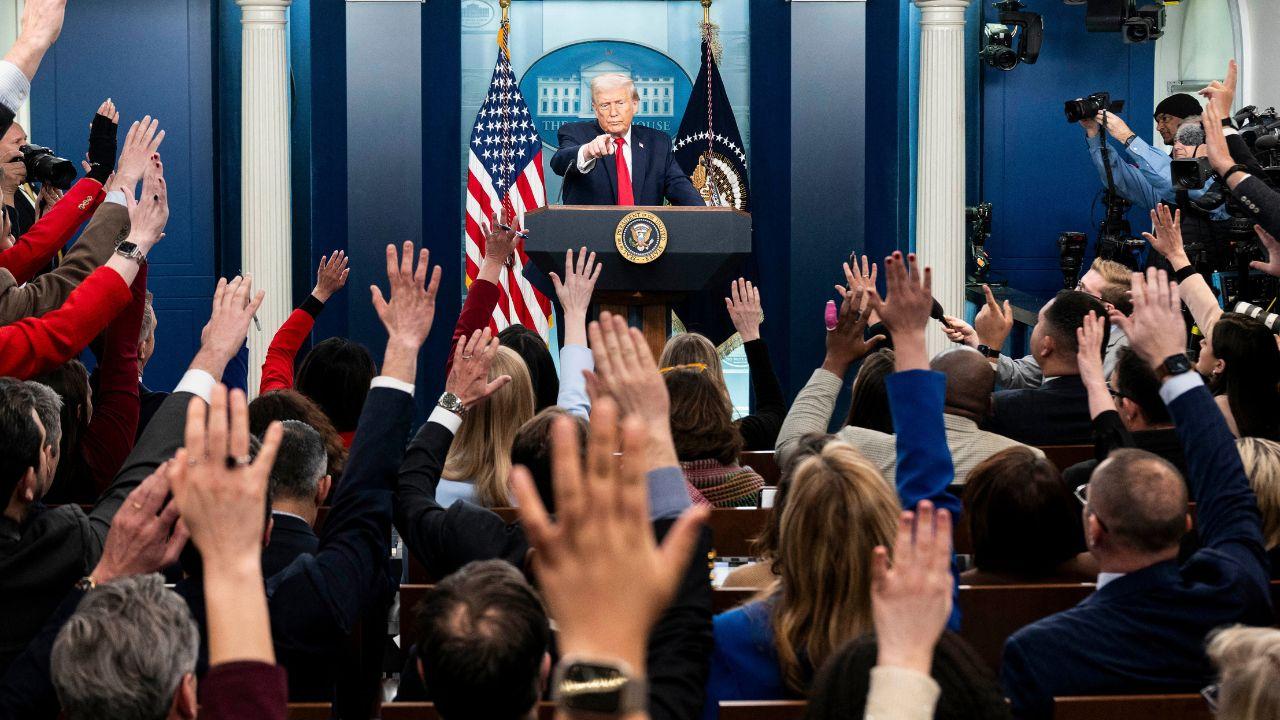
A federal judge ordered the White House to restore credentials for several outlets.
“What was the point for Mr. Trump of provoking this in the first place?” the Journal asked. “No President in history has enjoyed TV attention more, and banned media can continue to report on the Administration, albeit without the TV cameras.”
Want OK! each day? Sign up here!
A Ready-Made Viral Arc
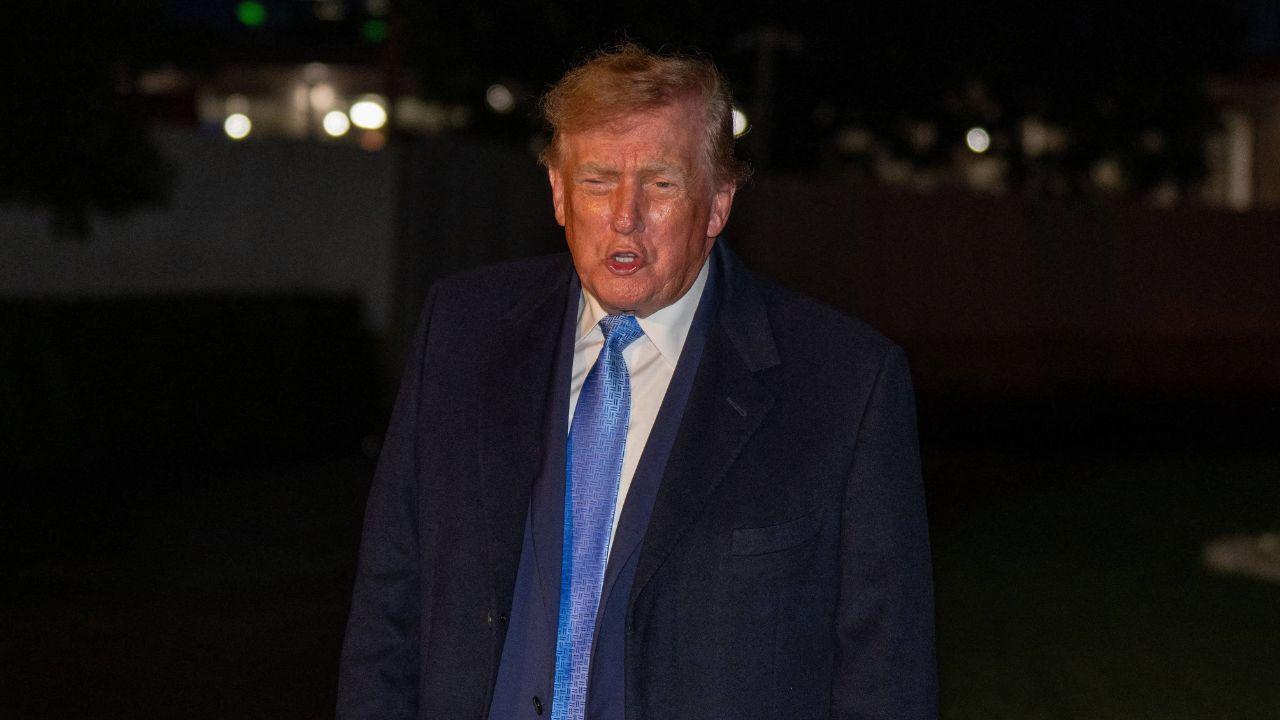
Donald Trump’s media restrictions became another flashpoint in his relationship with journalists.
“The Trump versus the press narrative is the most durable content franchise in American media,” said Amore Philip, founder of Apples and Oranges Public Relations. “And everyone involved knows it.”
ABC, CBS, CNN, Fox News and NBC suspended pooled television coverage after CNN was prevented from fulfilling its assigned rotation. Trump later complained that CNN had “refused” to cover his elaborate White House welcome for Chinese President Xi Jinping.
CNN responded that its credentials had not been restored in time to attend.
“The reinstatement of credentials after a court order is a gift to every late night writer in America,” Philip said. “The story has every element of a perfect viral arc: an antagonist who overreaches, a legal system that pushes back, a protagonist who gets their badge back, and an outcome that confirms exactly what both sides already believed.”
The Feud Never Actually Ends
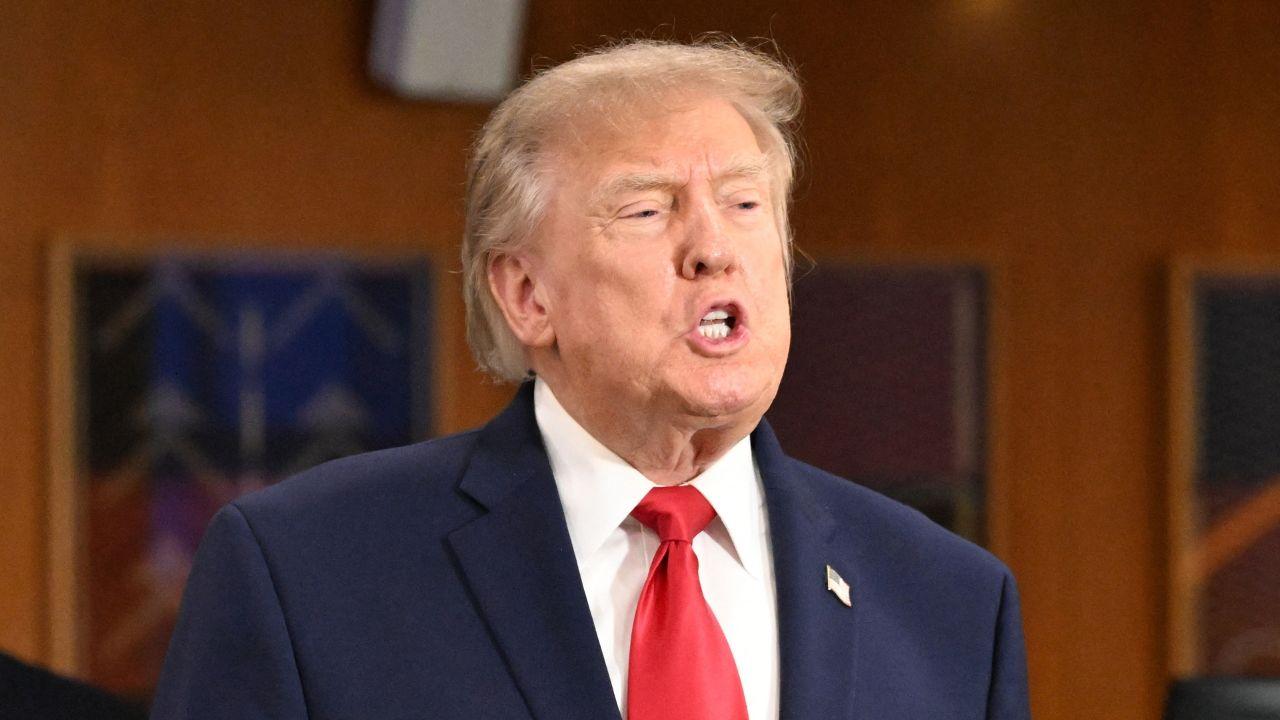
Donald Trump’s ongoing press feud continued to fuel political and media attention.
Philip said the conflict works particularly well online because it’s binary.
“You are either for press freedom or against it. You are either protecting the First Amendment or attacking it,” Philip explained.
“Late night hosts do not have to explain the context. Influencers do not have to add analysis. They just have to pick a side,” she added.
“What makes this specific dynamic so effective as an engagement loop is that it never actually resolves. The feud between this administration and the press is not heading toward a conclusion,” she noted.
“Every new episode generates the same emotional response, the same sharing behavior, and the same advertising revenue for every platform that carries it,” she said.
“We call this a self-sustaining narrative. No one has to manufacture the conflict because the conflict manufactures itself. And in the attention economy, a self-sustaining narrative is the most valuable asset there is.”