
 NEWS
NEWSFCC Actions Have Chilling Effect Over What Viewers See on TV

Jimmy Kimmel released his interview with James Talarico on YouTube instead of ABC.

Sept. 27 2026, Published 11:45 a.m. ET


The battle between ABC and the Federal Communications Commission is no longer confined to court filings. It is changing what reaches broadcast television.
Jimmy Kimmel recently kept his interview with Democratic U.S. Senate candidate for Texas James Talarico off ABC, releasing it on the Jimmy Kimmel Live! YouTube channel instead. Kimmel said the decision was intended to protect local stations from regulatory pressure over political guest bookings.
The move came as Disney and ABC accused the FCC of conducting an unconstitutional “retaliatory campaign” that is “chilling speech” ahead of the November election. The agency maintains that it is enforcing federal broadcasting law.
Kimmel Moves the Interview Online

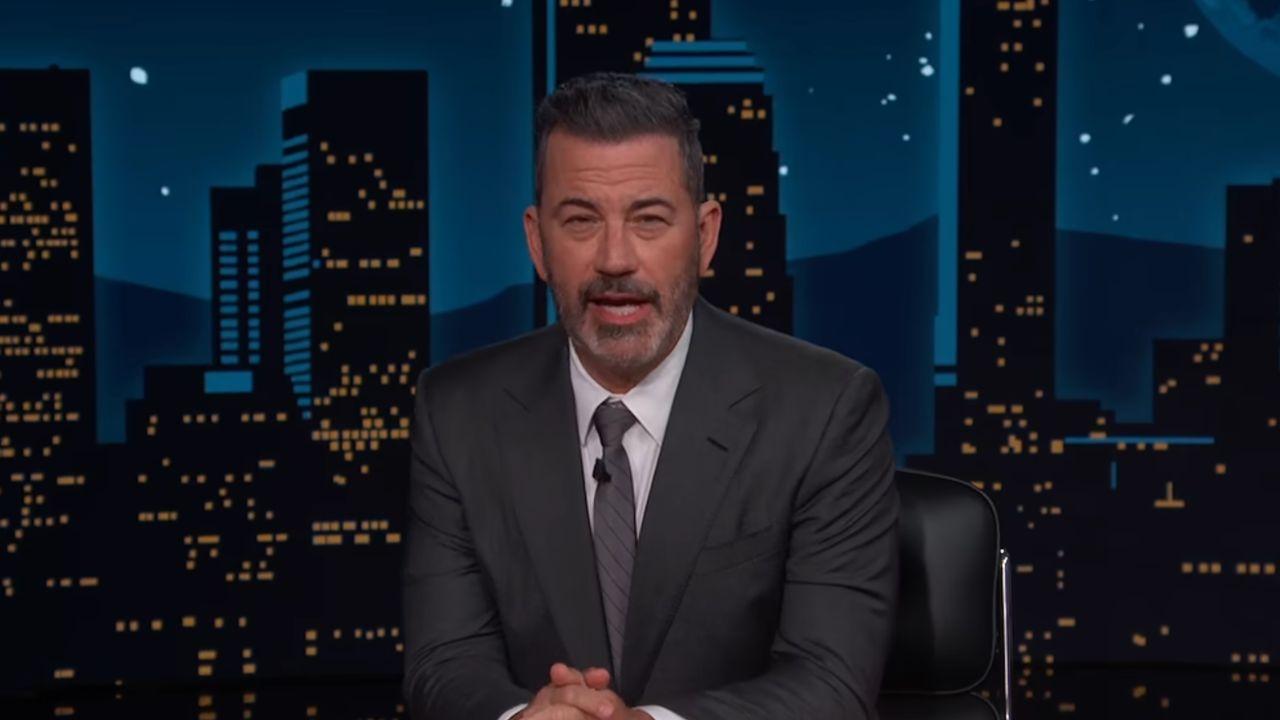
Jimmy Kimmel cited concerns about regulatory pressure affecting ABC affiliates and political interviews.
“[The] FCC has threatened me, threatened our show, threatened our network, ABC, our affiliates, our local stations, based on simple, traditional editorial decisions,” Kimmel said.
He specifically cited concern for ABC affiliates in Texas, which hold the licenses regulated by the FCC, and directed viewers to YouTube for the complete conversation.
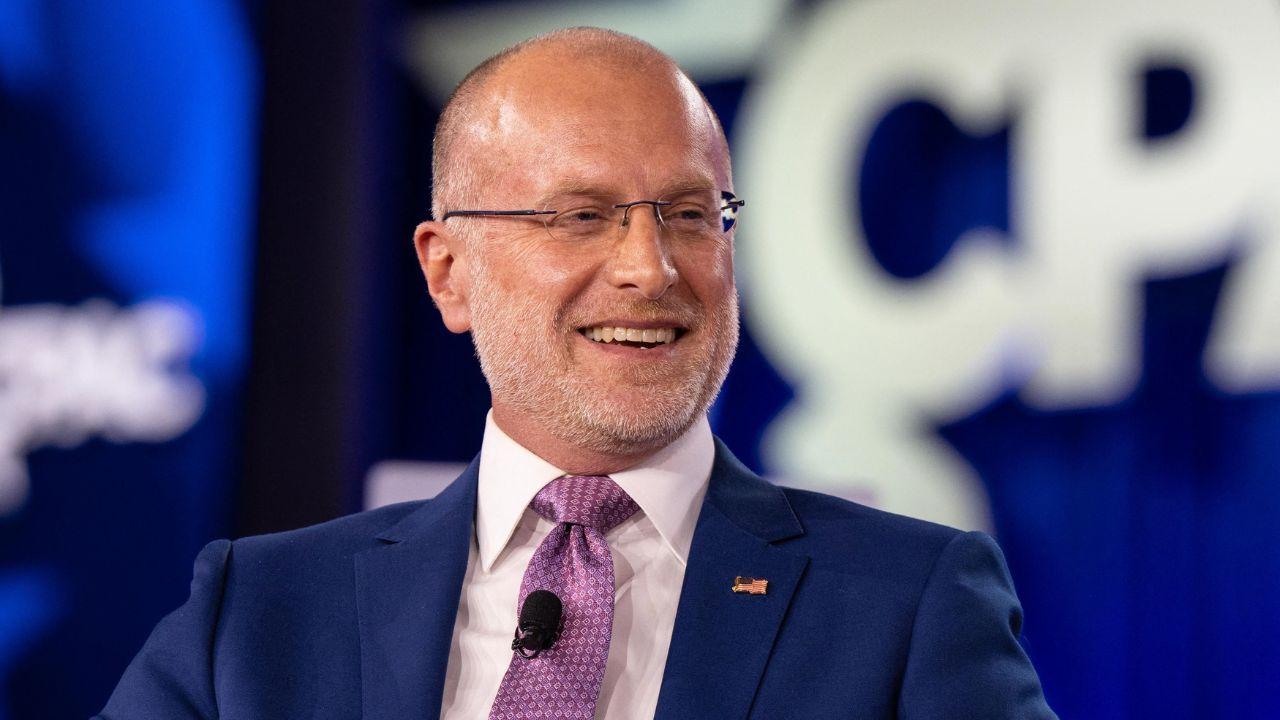
FCC Chairman Brendan Carr defended the agency’s approach to equal-time broadcasting rules.
The White House denied that FCC Chairman Brendan Carr threatened Kimmel over Talarico or any other candidate, and Assistant White House Press Secretary Davis Ingle accused the host of creating a “false narrative.”
Want OK! each day? Sign up here!
Equal-Time Rules Reach Late Night
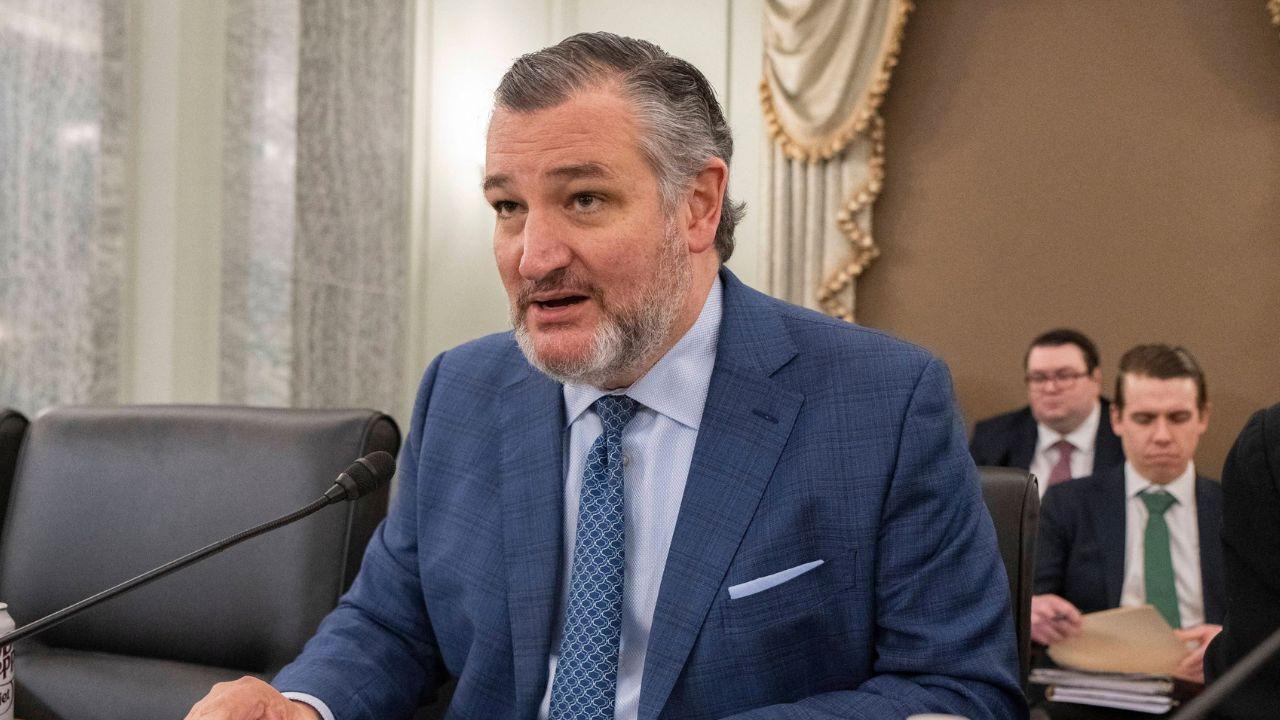
Sen. Ted Cruz appeared on ESPN’s ‘College GameDay,’ where FCC equal-time rules did not apply.
Federal equal-time rules require broadcast stations that give airtime to a legally qualified political candidate to offer comparable opportunities to opponents upon request.
Daytime and late-night talk shows have traditionally operated under a news-interview exemption. In January, however, the Republican-led FCC said those programs would no longer automatically be considered exempt “bona fide” news shows.
Carr argues that candidates may still appear, provided broadcasters are prepared to offer time to their rivals.
The rules did not apply when Republican Sen. Ted Cruz appeared on ESPN’s College GameDay, Carr explained, both because ESPN is a cable channel and Cruz is not running in the 2026 election. Talarico, by contrast, is an active candidate, and Jimmy Kimmel Live! airs on broadcast stations.
ABC has accused the FCC of selective enforcement and cited a 2002 agency letter confirming an exemption for The View.
License Renewals Raise the Stakes

ABC accused the FCC of targeting editorial decisions through regulatory actions.
The FCC has separately ordered ABC stations to file license-renewal applications ahead of schedule while it investigates possible Communications Act violations and unlawful discrimination, a highly unusual request.
Disney and ABC deny wrongdoing. Their lawsuit argues that the order is a pretext for targeting speech disliked by President Donald Trump’s administration.
FCC action can carry exceptional leverage because losing a broadcast license would effectively remove a station from the air. Even if ABC ultimately prevails, the expense and uncertainty can have a chilling effect throughout television.