
 Politics
Lara Trump Calls AI Champagne Video 'Fun' — But Strategists See a Midterm Optics Risk

Lara Trump defended the AI-generated champagne video as a playful and humorous post.

Oct. 3 2026, Published 5:04 p.m. ET


Lara Trump defended an AI-generated video depicting Trump allies and family, including her, spraying champagne and partying.
During an interview with Harry Cole, Trump said the rules “have never really applied to this president” and described the video as “a fun thing” that was “kind of tongue in cheek.”

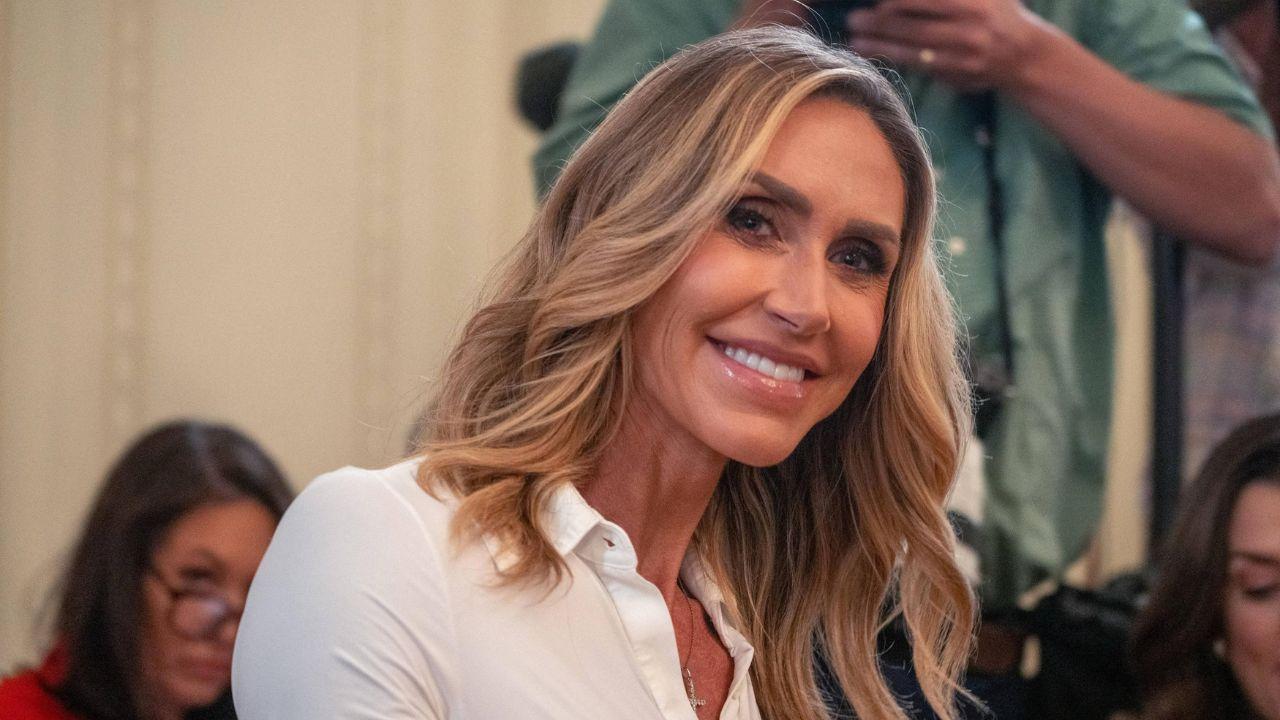
She described the footage as tongue-in-cheek despite the criticism.
Those genuinely offended “probably need to go on and have a little bit of fun because I think they’re a little bit stiff,” she added.
The Defense Leaves the Complaint Unanswered
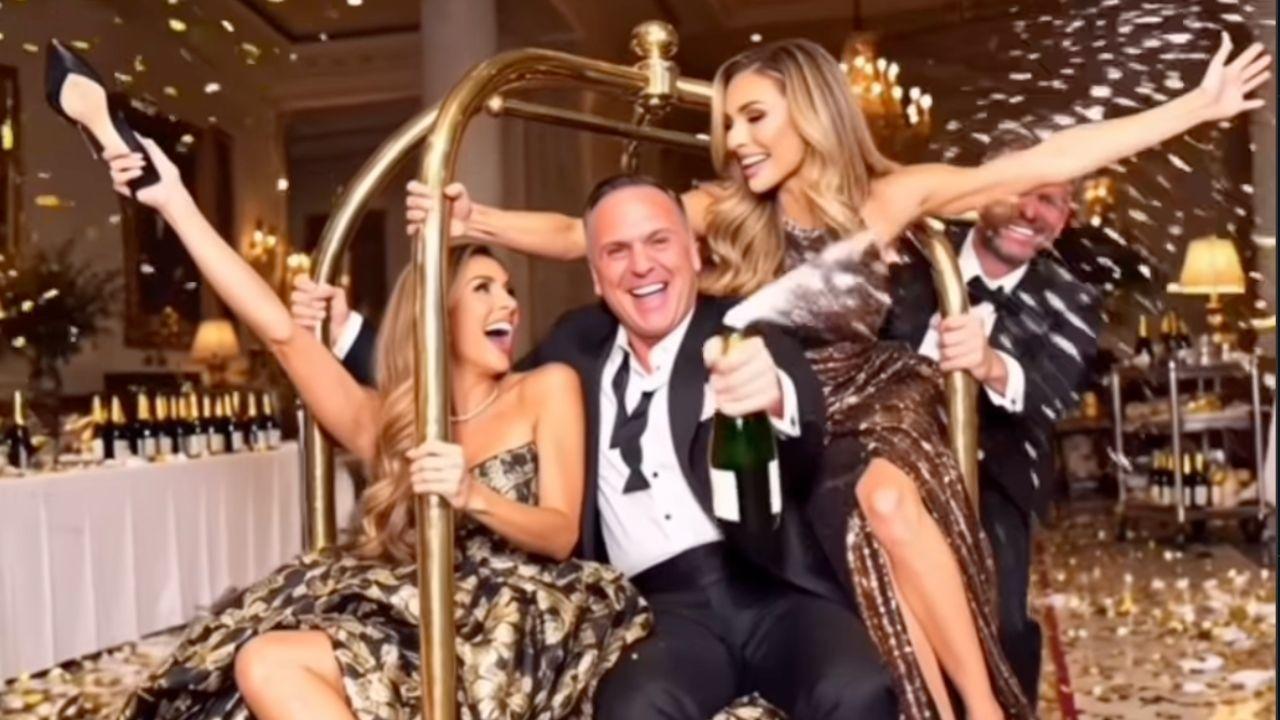
Dan Scavino’s video showed Donald Trump allies celebrating with champagne inside the White House.
The video, posted by White House Deputy Chief of Staff Dan Scavino, depicted Scavino alongside Erin Elmore, Eric Trump and Lara Trump spraying champagne, set to Pitbull’s “Don’t Stop the Party.”
Scavino responded to criticism by reposting another user’s AI-generated video featuring imagined scenes involving President Donald Trump, Chinese President Xi Jinping, Elon Musk and members of the Trump family.
“Calling the video a joke answers whether it was meant literally. It does not answer whether sharing it showed good judgment,” said Abbie Maroño, PhD, a behavioral scientist specializing in trust and persuasion.
“The criticism from within MAGA is particularly relevant,” Maroño added. “Dismissing the backlash as opponents being offended risks dismissing your own supporters too.”
Want OK! each day? Sign up here!
Attention Is Not Persuasion
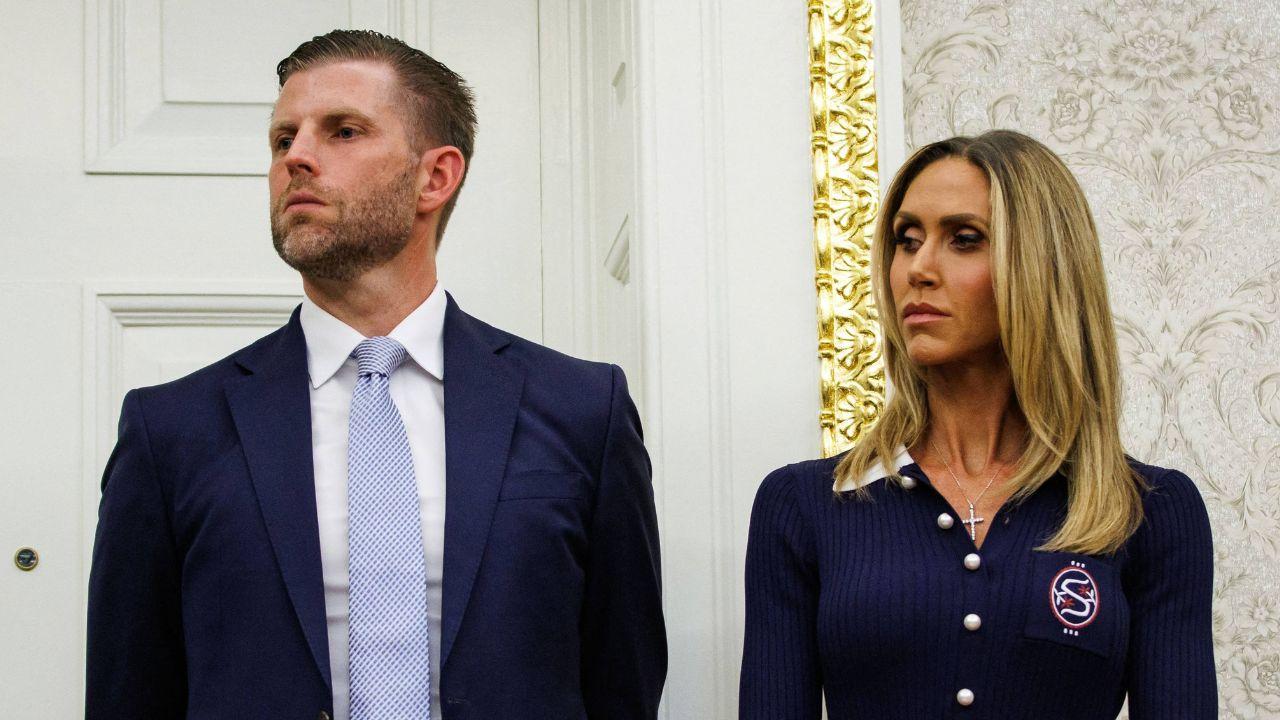
Communications experts said the controversy highlighted concerns about political optics.
“Lara Trump’s display turned into an optics problem because the image became bigger than the message,” said Analu Harrell, a political communication and public affairs strategist at Statecraft Media.
“At a time when many Americans are struggling with the cost of everyday life, conspicuous displays of wealth can create a pretty stark contrast,” she noted.
Campaigns can apologize, double down or exploit a controversy for further exposure, but Harrell cautioned that “attention is not the same thing as persuasion.”
“You can win the news cycle and still lose the people who were watching,” she said.
A Synthetic Image Still Communicates Values
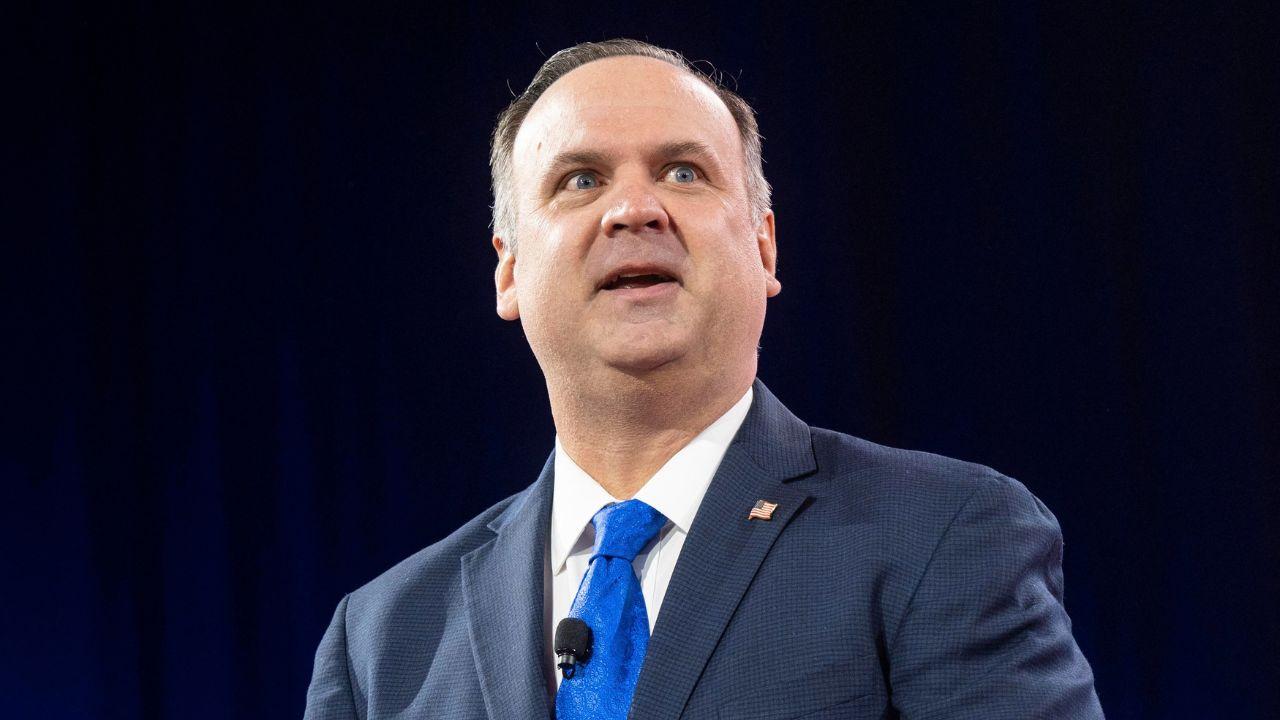
Strategists warned that attention from the video did not necessarily translate into persuasion.
"AI lifestyle content backfires in politics for the same reason it backfires for consumer brands: audiences read it as a statement about values, not as a joke,” said Amore Philip, founder of Apples and Oranges Public Relations.
“A glossy, synthetic party scene tells voters who is invited and who is not,” she added. “Because it is AI, viewers also feel it was a deliberate choice rather than a candid moment, which makes the backlash sharper.”
“Optics scandals often expose the gap between voters’ lives and leaders’ celebrations,” said Christopher Lee, founder of Foresight Strategies.
“But wait, here comes tone deaf Lara Trump saying ‘hold my beer’,” he continued, adding that “voters forgive mistakes faster than condescension.”
“History proves that these are [the] kind of ‘moves’ that see voters take their anger out on GOP incumbents in close swing district races,” he explained. “Because midterms are always won at the margins, not by mocking voters’ concerns.”