
 TRUE CRIME NEWS
Lindsay Clancy Case Intensifies After Mistrial as 'Boston Globe' Requests Access to Juror Court Inquiries

'The Boston Globe' filed a motion seeking access to court questioning of jurors following the mistrial in Lindsay Clancy’s case.
Sept. 9 2026, Published 4:13 p.m. ET


Legal proceedings in the Lindsay Clancy murder case intensified following a mistrial declared on Friday, September 4, after an 11-1 jury deadlock. In response, The Boston Globe filed a formal motion requesting public access to court inquiries involving the jurors.
The motion explicitly seeks access to all questioning of the jurors conducted by Plymouth Superior Court Judge William Sullivan, the Commonwealth, and the defense. This includes private "sidebar" interrogations during jury selection and the critical deadlock period during deliberations.
The jury deliberated for seven days before declaring an 11-1 deadlock. Tensions erupted when the jury foreperson sent a note revealing that a lone male juror admitted to having reasonable doubt but was "refusing to follow the law" to agree to an acquittal.
Juror Inquiry Draws Scrutiny

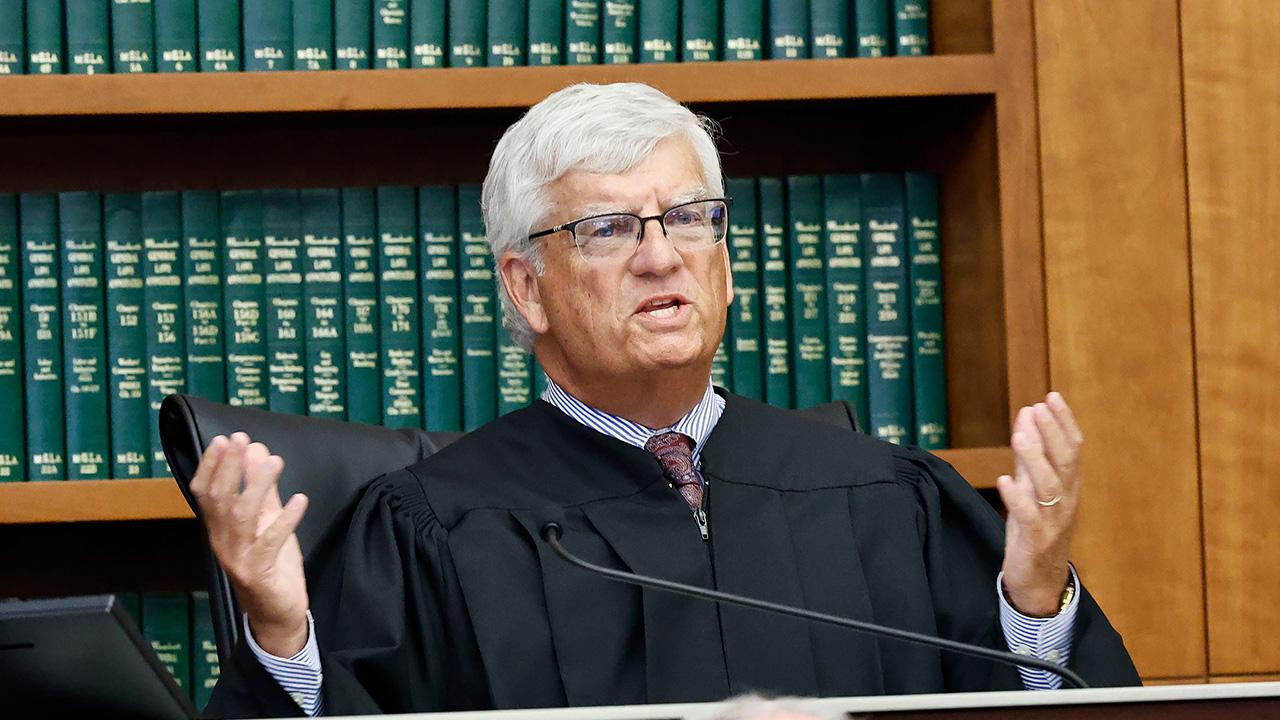
Judge William Sullivan questioned jurors individually after the foreperson raised concerns about the deliberations.
Following that note, Judge Sullivan brought in each juror individually to question them in private at sidebar. The defense requested these proceedings be held in open court, and The Boston Globe immediately followed with its motion.
In the filing, The Boston Globe argues that the public maintains a presumptive right of access to juror inquiry hearings, comparing them to open-court trial proceedings and jury selection.
Separately, Judge Sullivan ordered that the jurors' names remain impounded (sealed) until September 18, citing significant online attention and security concerns after a woman was caught recording jurors leaving the courthouse.
Jurors Break Their Silence
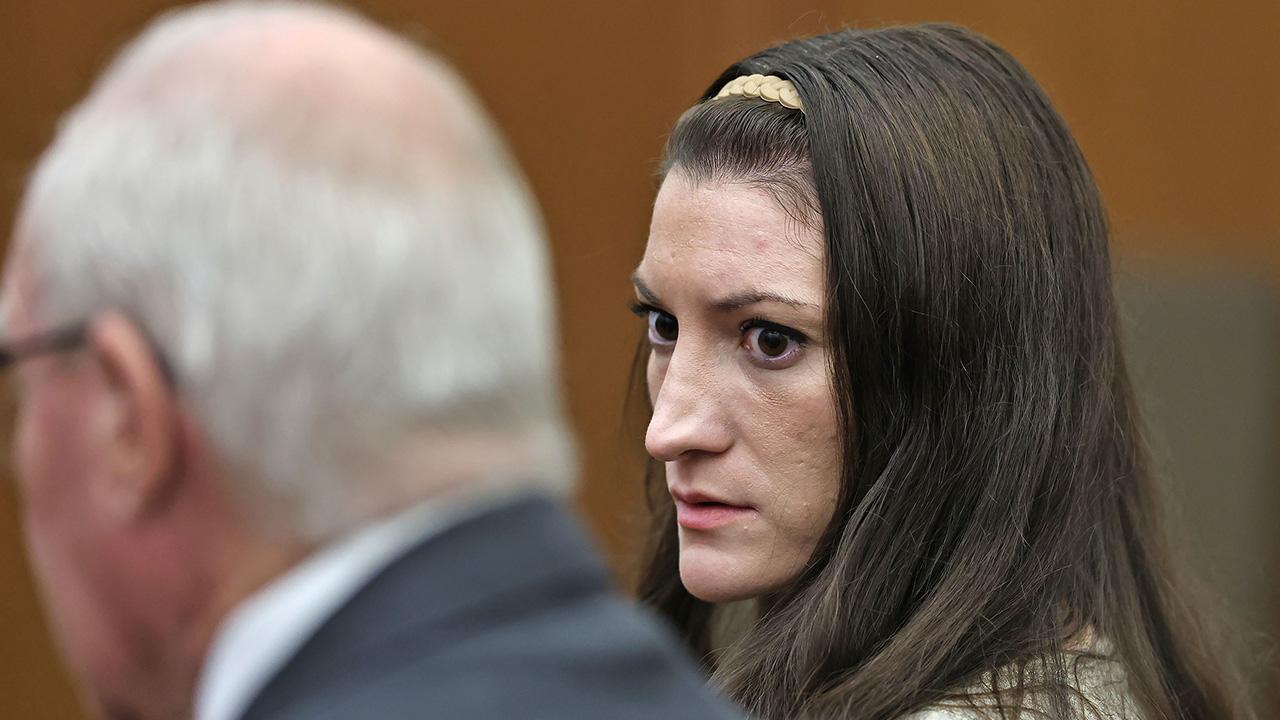
Roni Carlson, Kellie Farina and Paula Devlin spoke publicly about the jury’s deliberations following the mistrial.
Despite the sealed files, three jurors — including the panel's foreperson — have already broken their silence, giving NBC10 Boston an exclusive interview about the intense dynamics in the deliberation room.
In their interview with NBC10 Boston, three female jurors from the Clancy trial described the intense and emotional environment inside the deliberation room. They revealed how close the panel came to reaching a verdict.
The jurors who spoke were Roni Carlson, the foreperson and a former elementary school teacher; Kellie Farina, a chef at a senior center in Plymouth County; and Paula Devlin, who works for a defense contractor.
- Lindsay Clancy's Attorney Reveals Why He Was So 'Upset' at Lone Juror Who Had 'Doubts' About Trial Verdict: 'That’s Not Right'
- Judge Says Jurors' Privacy Risk Leads to Indefinite Sealing of Names in Lindsay Clancy Trial After Accusations Emerge
- Lindsay Clancy Juror Initially Believed She Was Guilty But Switched Her Vote Since There Was 'So Much Doubt'
Want OK! each day? Sign up here!
Jurors Describe Heated Deliberations
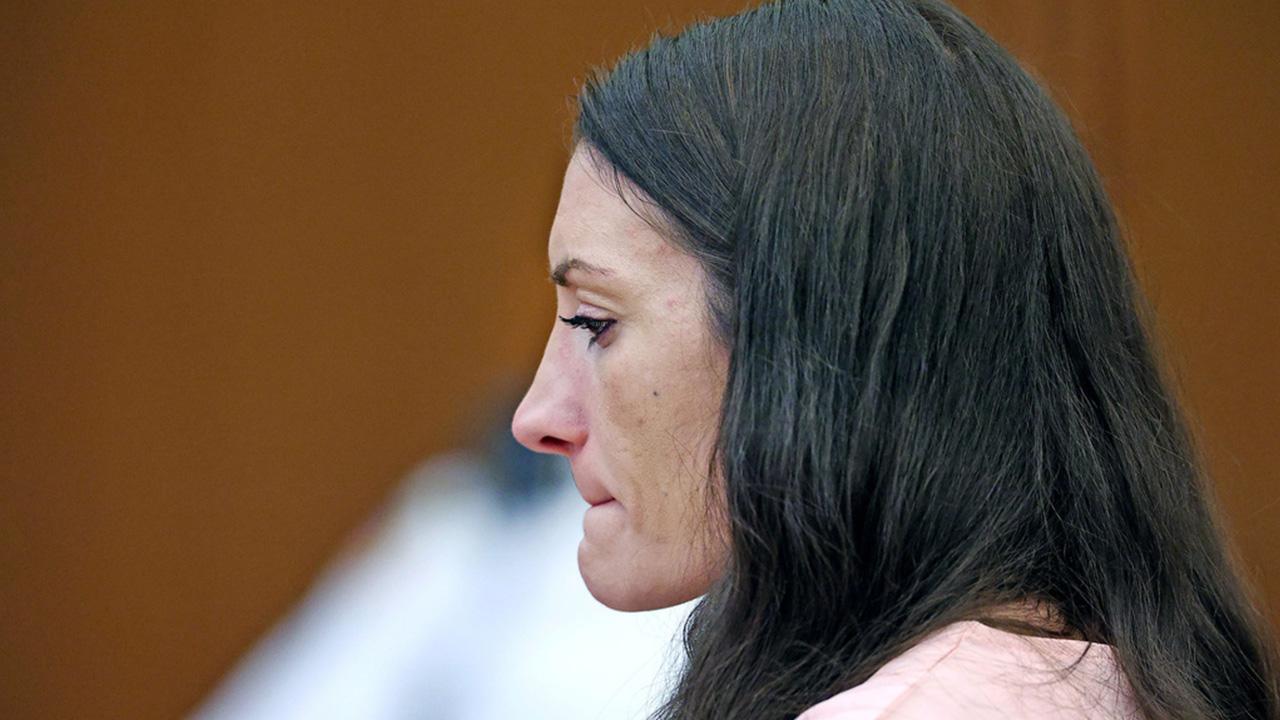
NBC10 Boston’s Sue O’Connell described the jurors’ account of the deliberations following the mistrial.
"They didn't deliberate at this 11-1. There actually was a split in different ways," NBC Boston’s Sue O'Connell said of the jurors. "They had different charges -- they had first-degree murder, second-degree murder, the manslaughter charge. It wasn't like they went right into it and said, 'Let's vote,' and came out 11-1.”
"They looked at so much evidence. They made sure they organized it, they asked questions, and they also made sure they listened to each other and made arguments to each other. They took this very seriously, and in the end they really did feel like they failed," O'Connell said.
A Verdict Nearly Emerged
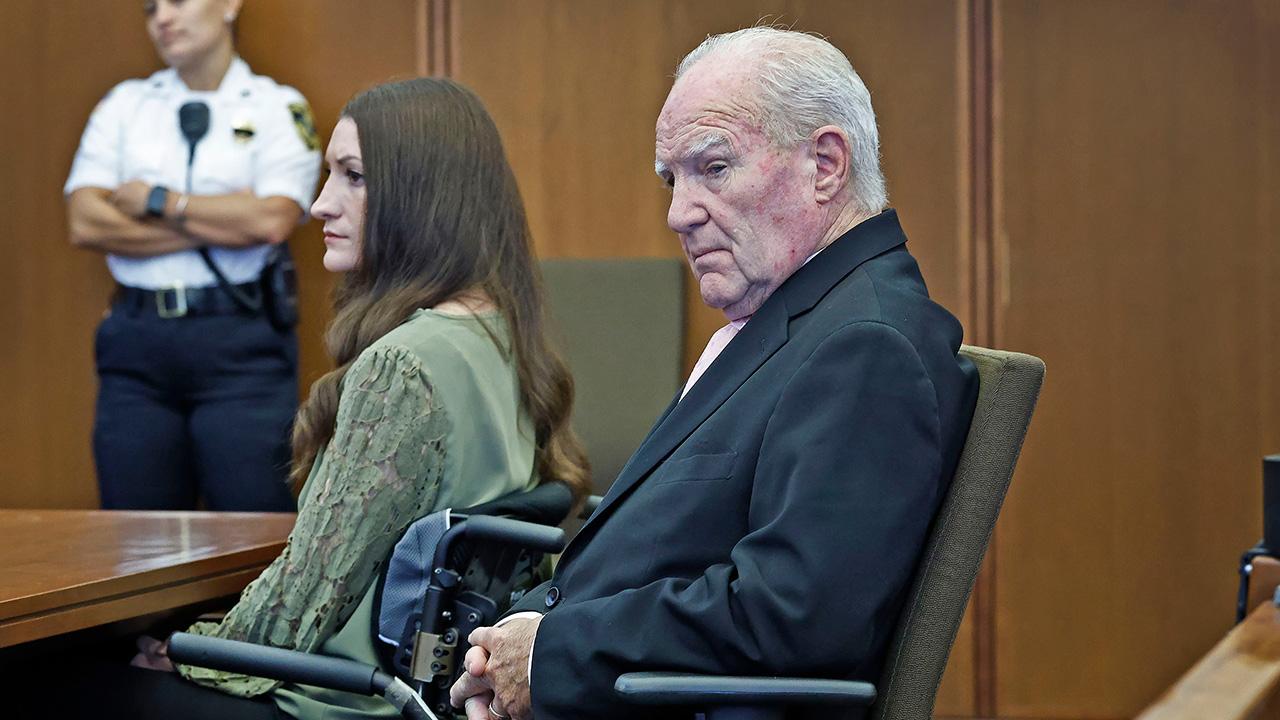
The jury foreperson said the panel appeared close to an acquittal before the lone holdout refused to find Lindsay Clancy not guilty by reason of insanity.
The foreperson told NBC10 Boston she thought that, at one point, the jury finally persuaded the lone holdout arguing for a conviction to vote for an acquittal.
“He had reasonable doubt. He admitted he had reasonable doubt and I started filling out the forms; I was so excited," she said. "There were three forms I had to fill out, and I started filling them out. I wrote my signature on each one. And then he said, 'But I'm still not going to say that she’s not guilty by reason of insanity.'”