
 NEWS
NEWSNicolle Wallace Says She Stopped Airing Donald Trump White House Briefings Because They ‘Hurt’ to Watch

Nicolle Wallace reflected on ending live coverage of Donald Trump briefings.

July 17 2026, Published 6:34 a.m. ET


Nicolle Wallace is revisiting one of her most blunt Trump-era editorial choices.
The MS NOW host said she stopped airing White House press briefings during President Donald Trump’s first term when Sarah Huckabee Sanders was press secretary, telling former CNN anchor Jim Acosta that watching the briefings “actually hurt” because of what she viewed as falsehoods coming from the podium.

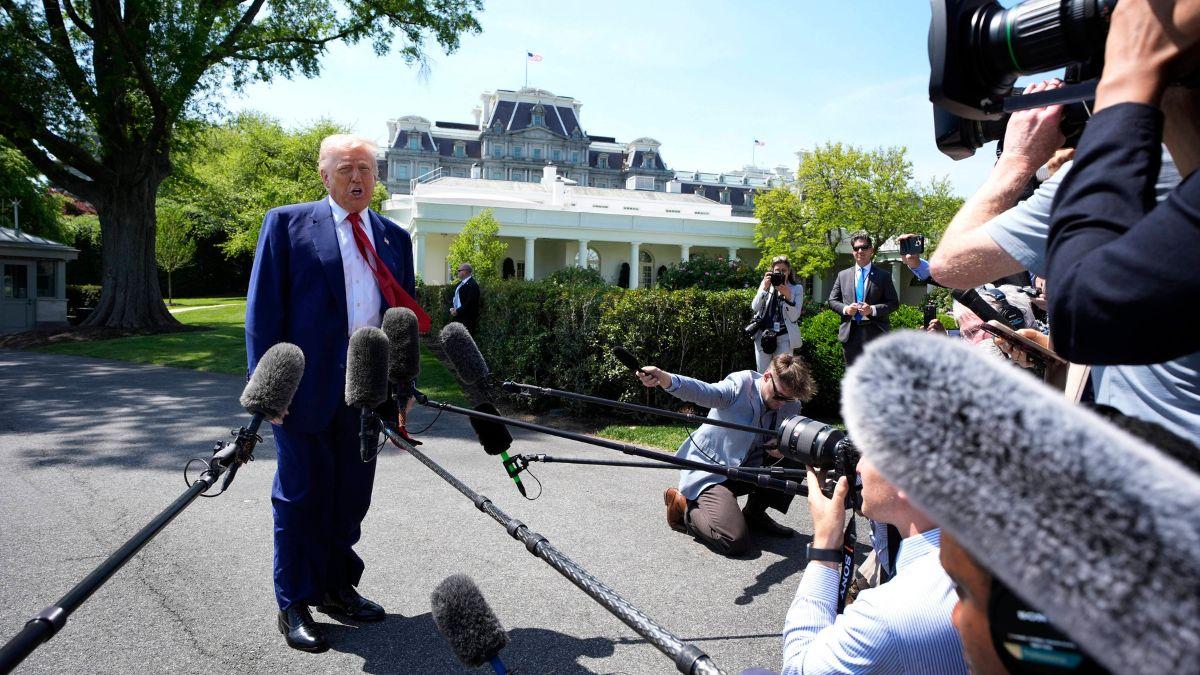
She said watching the briefings became too difficult.
Wallace made the comments on the July 13 episode of her podcast, “The Best People,” while discussing Trump’s hostility toward the press and his repeated description of reporters as the “enemy of the people.”
“I stopped carrying Sarah Huckabee Sanders briefings, just refused to carry him because having worked there, it like actually hurt me to watch her lying,” Wallace said.
A Former White House Aide Draws a Line
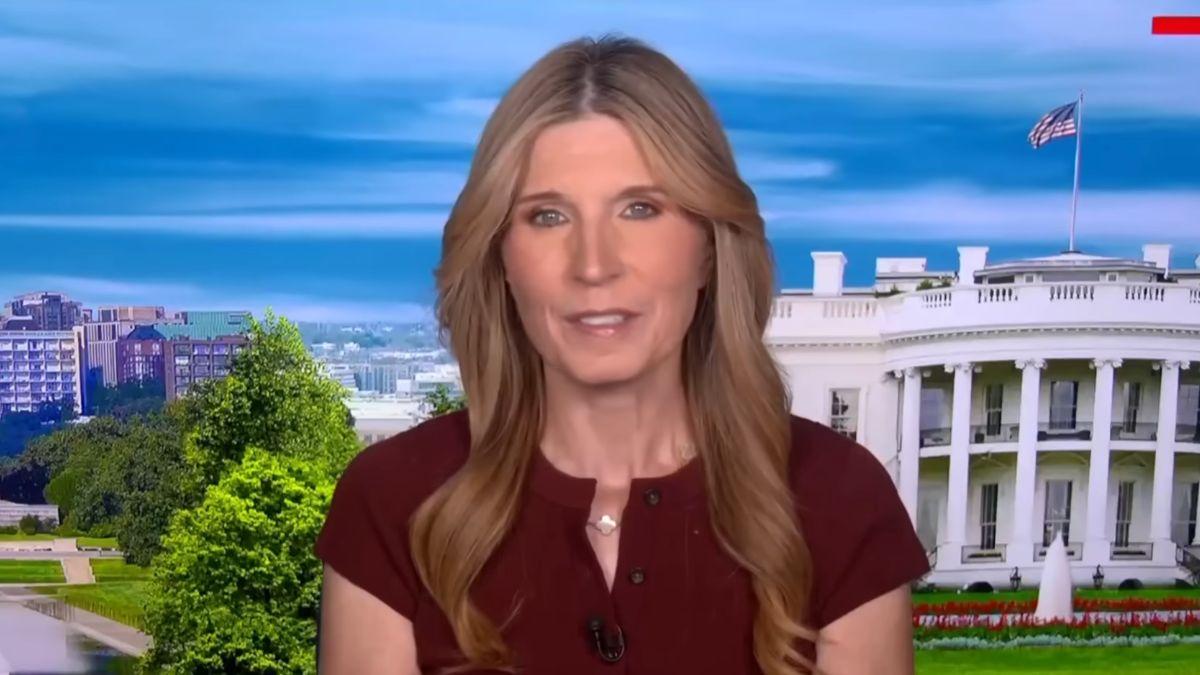
The former White House aide defended her editorial decision.
Wallace, who served as White House communications director under President George W. Bush, said she was not suggesting administrations do not try to present their bosses in the “best possible light.” Her issue, she said, was with what she described as “lies” about immigration that became politically effective for Trump.
Sanders served nearly two years as Trump’s press secretary and is now governor of Arkansas.
Want OK! each day? Sign up here!
Editorial Judgment or Censorship?
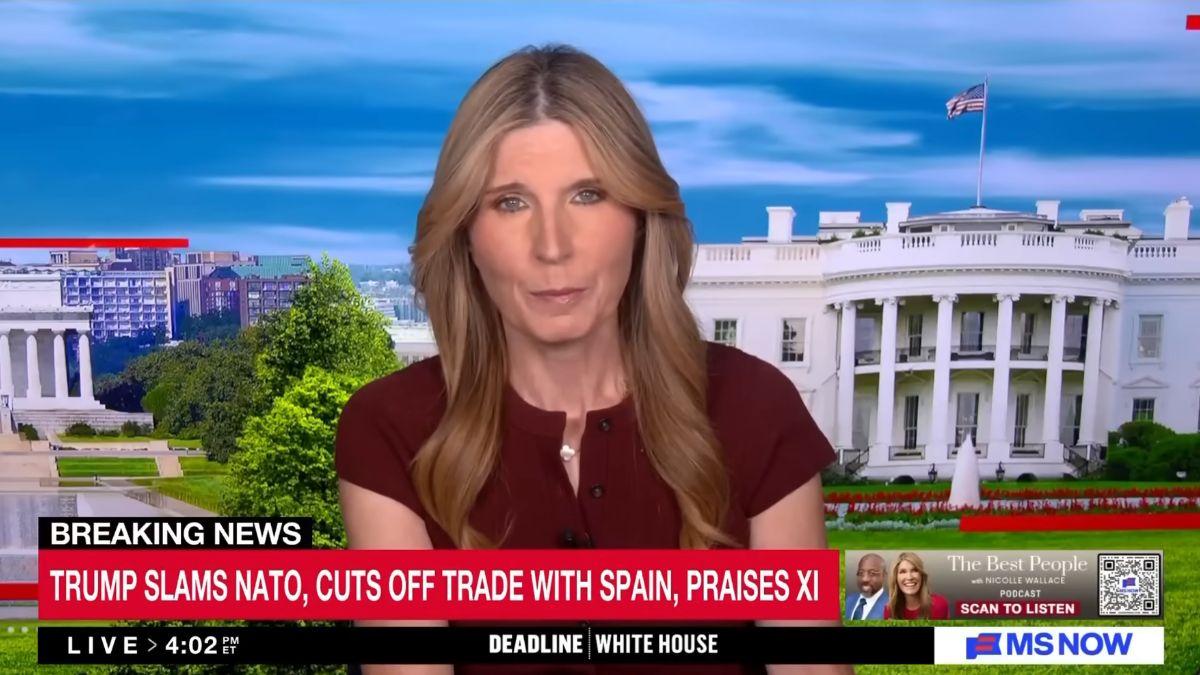
Experts distinguished editorial judgment from censorship.
“There is a real difference between editorial judgment and censorship, and it comes down to intent and transparency,” said Amore Philip, founder of Apples and Oranges Public Relations. “A network choosing not to carry a briefing in full is making an editorial call, the same kind it makes every day about what to lead with and what to cut.”
Philip said the potential risk comes when viewers are not told why a decision is being made.
“It only edges toward something troubling when the decision is hidden from the audience or driven by discomfort rather than news value,” Philip explained. “Saying a briefing hurt to watch is an honest human reaction, but honesty about your own bias is exactly what viewers need in order to judge the coverage.”
The New Reality of Viral Clips
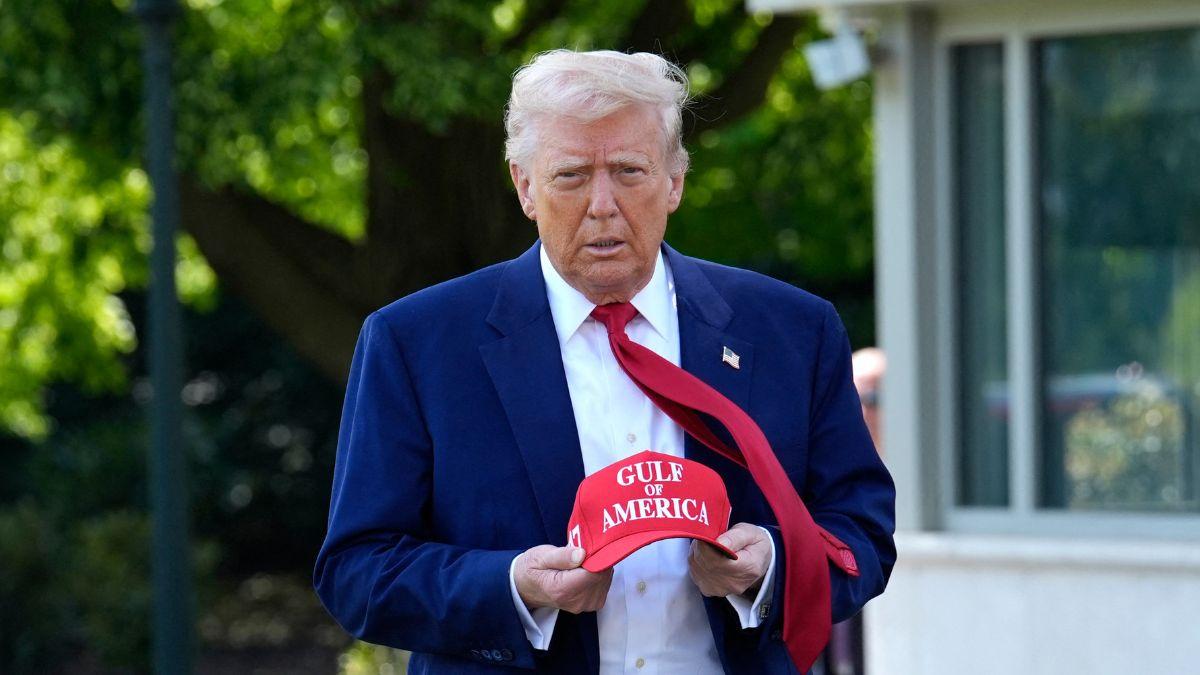
Experts added that viral clips have changed live news coverage.
“The harder truth is that live gatekeeping barely exists anymore,” Philip pointed out.
“The clip goes viral whether or not a host airs it, so declining to run something in real time is less about suppression and more about refusing to be a free distribution channel,” she added.
For networks, she said the credibility test is whether they acknowledge those choices openly.
“The credibility risk is not in the decision,” Philip said, “it is in claiming neutrality while making very human editorial calls.”