
 NEWS
NEWSUFC at the White House? Inside the Security Requirements Behind Unprecedented Fight Night

Donald Trump welcomed UFC fighters to the Oval Office.

May 9 2026, Published 5:33 a.m. ET


A UFC fight at the White House sounds like a spectacle straight out of Hollywood, but it would require one of the most complex security operations ever attempted for a live sporting event.
President Donald Trump has already begun hyping the June 14 event, timed to coincide with Flag Day and his birthday, calling it “the greatest show on Earth.” Fighters Ilia Topuria, Justin Gaethje, Alex Pereira and Ciryl Gane visited the Oval Office Wednesday to celebrate what will be a first-of-its-kind matchup on the South Lawn.
More Than Event Security

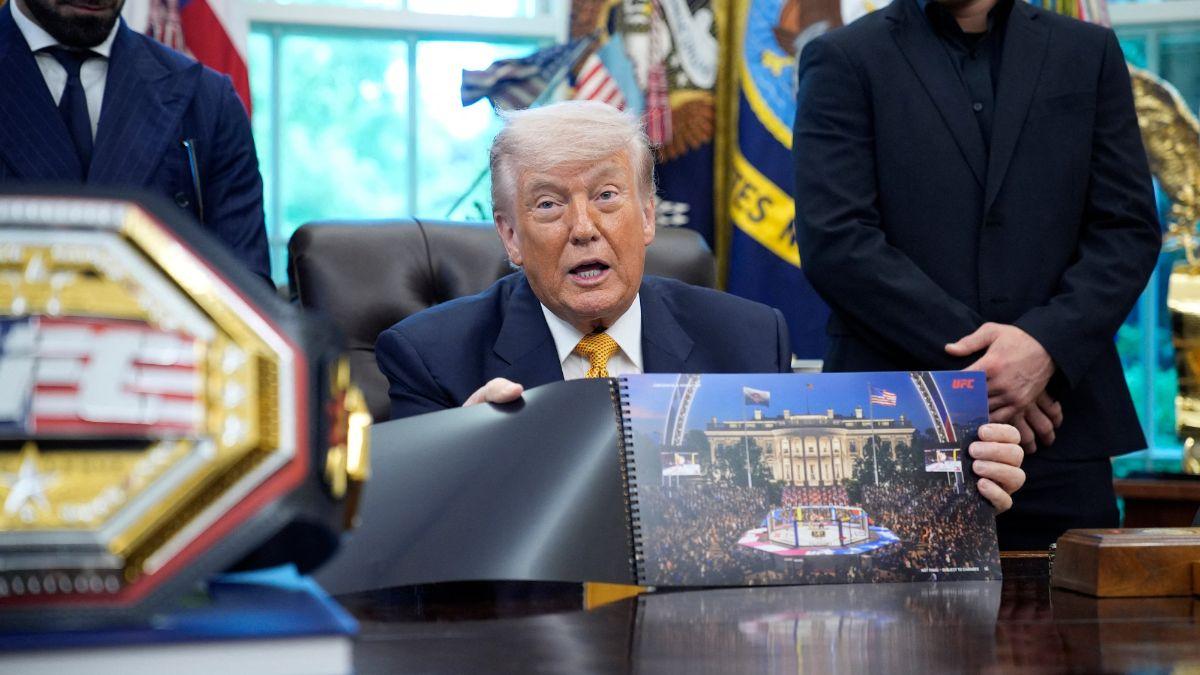
The White House required protection measures for the event.
“The UFC event on White House grounds will require one of the most sophisticated domestic security operations ever built around a live sporting event,” said Toby Braun, founder of American Special Investigative Group. “This is not just event security. It is national security, counterterrorism, airspace protection, VIP protection, and crowd-control planning.”
The White House is an active government site, meaning security planning must integrate multiple layers of protection.
The Secret Service would lead operations, with support from agencies including the Metropolitan Police Department, the FBI, Homeland Security Investigations, and the U.S. Park Police, among other agencies.
Airspace and Drone Threats
“Drone threats are now one of the fastest-growing concerns for major public events because they can be used for surveillance, disruption, or weaponization,” Braun said, noting that counter-drone technology would be essential.
Protecting the skies around the White House — already one of the most tightly controlled airspaces in the country — would become even more complex with a high-profile, broadcast event.
A Venue Not Built for Crowds
Want OK! each day? Sign up here!
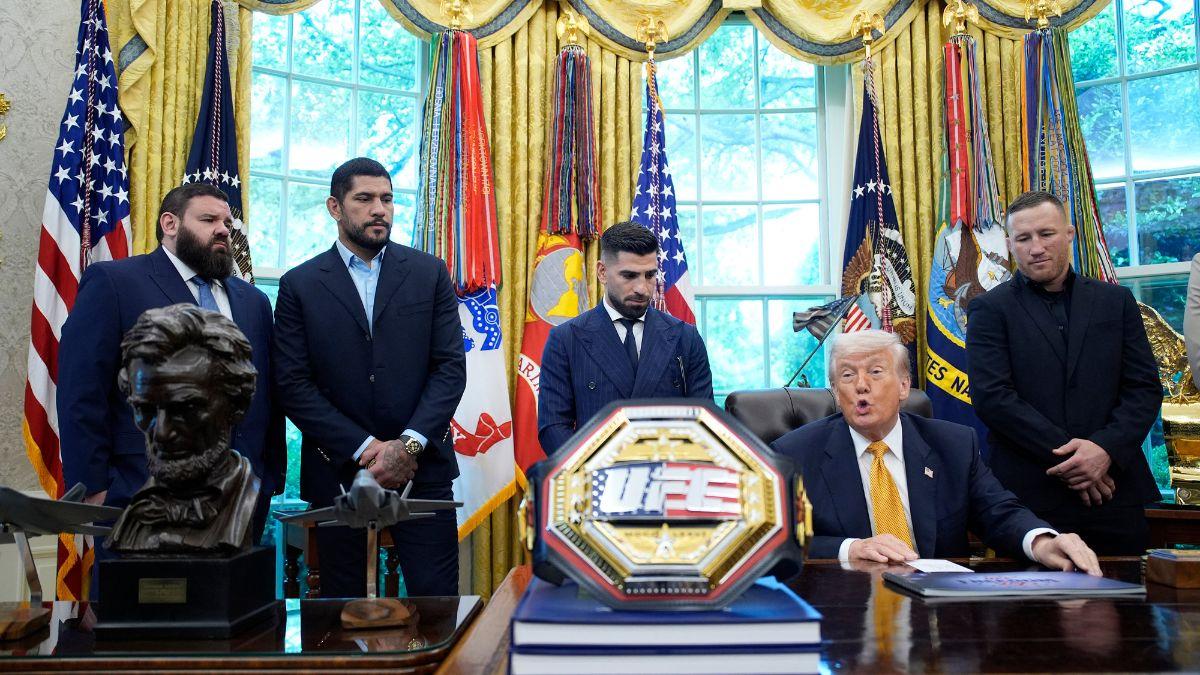
Officials are preparing for heightened drone and airspace security concerns.
“The White House complex was not designed to operate like a sports arena,” Braun said. “Bringing in spectators, athletes, production crews, vendors, media, celebrities, political figures, and VIP guests creates major challenges around credentialing, screening, access control, secure movement, and emergency evacuation.”
Managing who gets in and where they can go would require meticulous coordination, with layered perimeters likely extending beyond the grounds.
VIP Movement and Worst-Case Scenarios
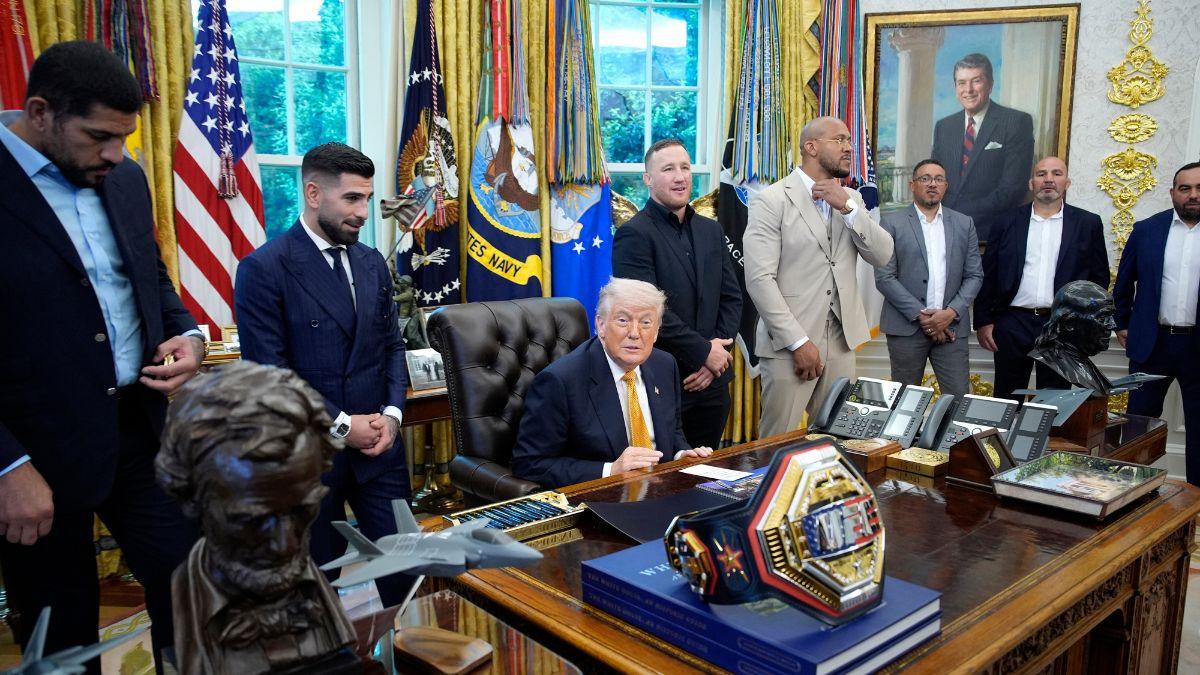
Planners face challenges turning the South Lawn into a live sports venue.
“Protected routes, secure arrival and departure points, separation from crowds, and emergency extraction plans will all need to be carefully choreographed in advance,” Braun explained.
Planners must also prepare for a wide range of contingencies, from protests and medical emergencies to cyber disruptions.
“For an event like this, planners have to assume something can go wrong and build multiple layers of redundancy before the first guest ever arrives,” Braun said.
A Historic Event
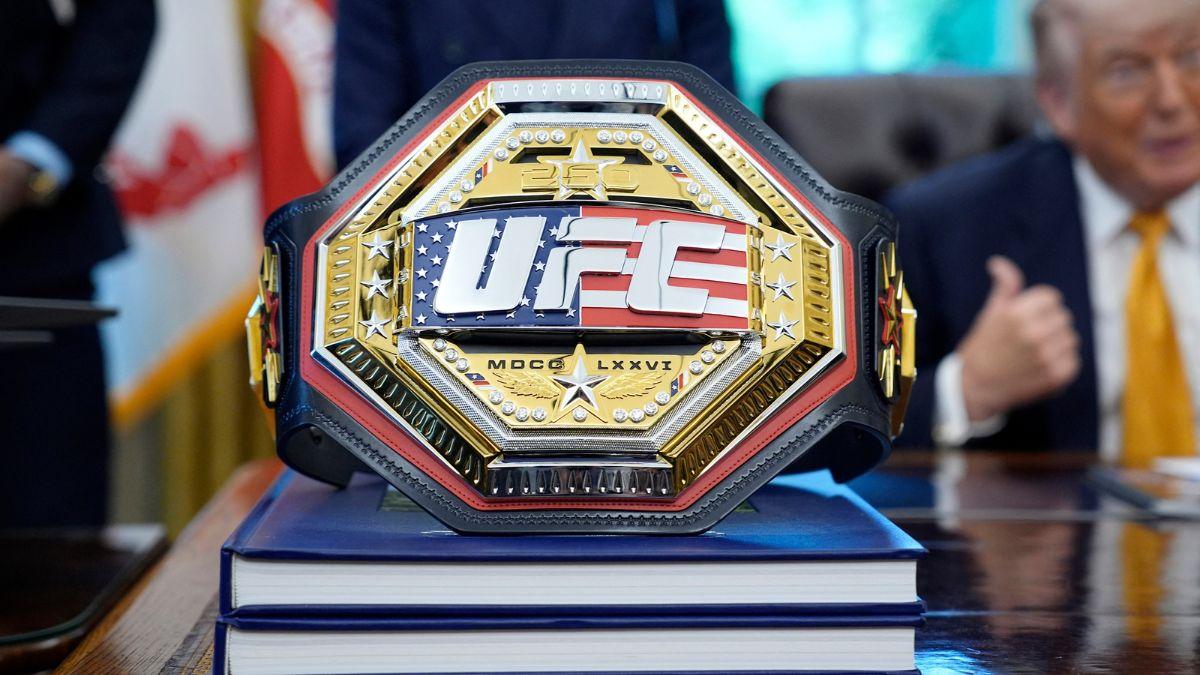
Emergency protocols are developed for guests and protesters.
The event is expected to include a lightweight bout between reigning champion Topuria and interim titleholder Gaethje, as well as a heavyweight matchup between Pereira and Gane.
"There are no people tougher in sports than the people behind me,” Trump said during their White House visit. “These are the toughest people. Alex Pereira, we've seen him knock out a lot of people. That's what he does. Ilia Topuria, who they say does not get tougher. Very special."