
 NEWS
NEWSWHCD Shooting Raises Questions About VIP Event Security — and What Really Went Wrong Behind the Scenes

Suspect breached WHCD checkpoint.

May 2 2026, Published 10:31 a.m. ET


The White House Correspondents’ Dinner is one of Washington’s most star-studded events, but new footage from this year’s shooting has exposed how even the most high-profile gatherings can unravel in seconds.
Surveillance video shows the suspect, identified as Cole Allen, rushing past a checkpoint and pointing a shotgun at a Secret Service agent stationed near a magnetometer. The agent fired multiple times as Allen stumbled and was ultimately apprehended. The agent was struck in the chest but survived thanks to a bulletproof vest.
The dramatic moment has sparked renewed scrutiny over how secure VIP events really are, and whether gaps are inevitable.
Why Hotels Are a Security Nightmare

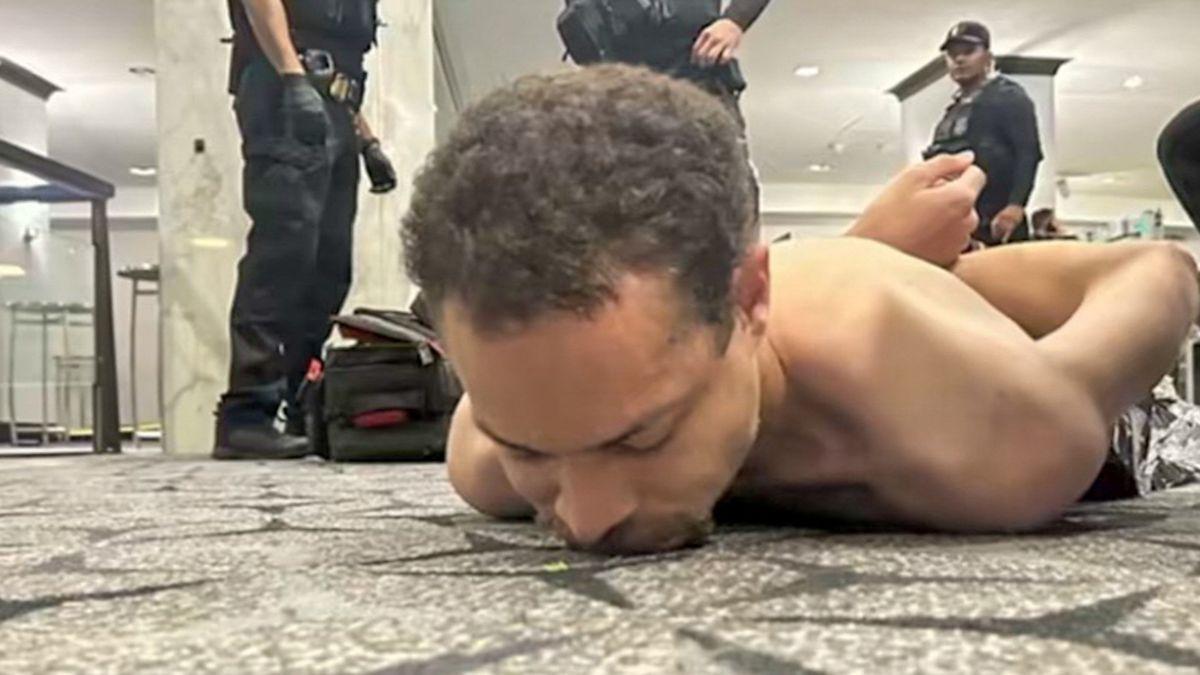
A Secret Service Agent stopped the attacker.
“When you have an event in a hotel unless you have booked in the entire hotel you have no control with respect to the other guests,” said David S. Katz, founder and CEO of Global Security Group.
That means hundreds of guests, staff and vendors can be moving through the same building, often without the kind of screening required for event attendees. Katz noted that even basic ideas like background-checking all hotel guests or inspecting luggage are impractical and would violate privacy expectations.
Where Security Can Break Down
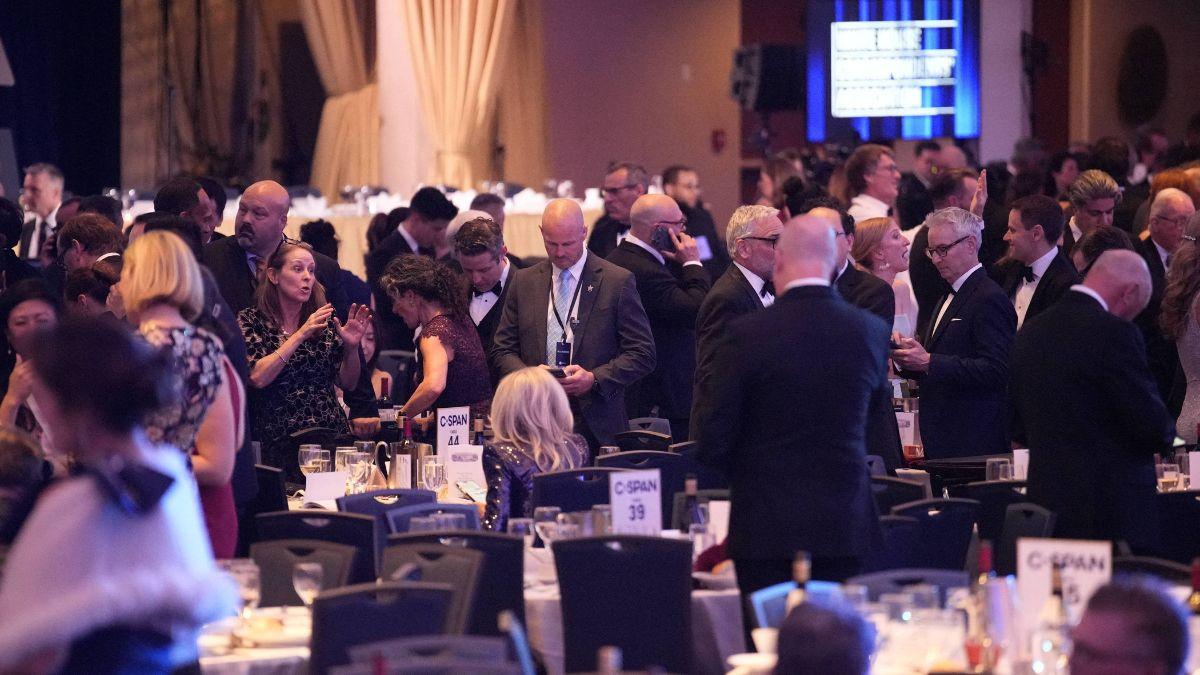
Hotel security flaws exposed.
“There was no impediment to access whatsoever,” Katz said, pointing to footage showing an open pathway near the checkpoint as officers in the area leaned against the wall or occupied themselves with equipment.
He pointed to that complacency as a common problem at repeat events.
“These agents and officers have done event after event and nothing happens. It lulls you into thinking that this event will be the same,” he explained. “Every officer assigned must have it in their head that tonight is the night.”
- WHCD Shooter Cole Tomas Allen's Eerie Manifesto Revealed: Teacher Wanted to 'Target' Donald Trump and Other Government Officials
- White House Correspondents' Dinner Guests Raise Eyebrows as They Take Photos With Bottles of Wine During Shooting Chaos
- Chilling Video Shows Suspect Cole Tomas Allen Plotting WHCD Gun Attack
Want OK! each day? Sign up here!
The Limits of Technology Alone
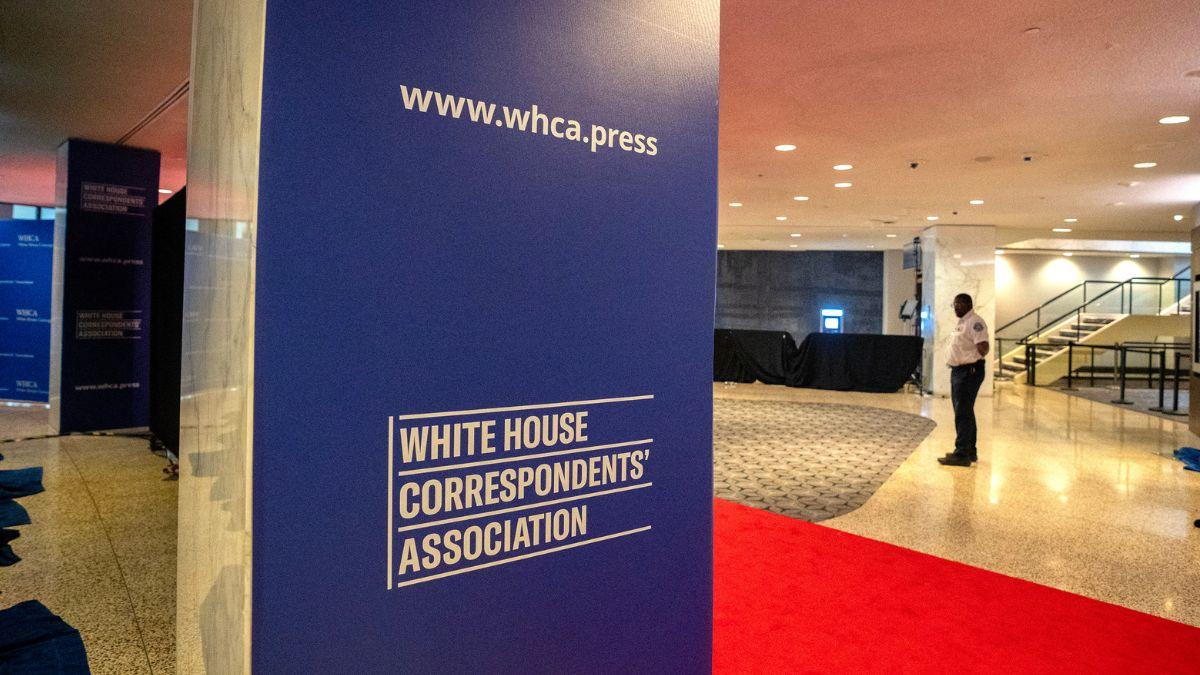
Complacency raised concerns.
Security at major events often relies heavily on magnetometers and credential checks, but Katz emphasized that physical barriers are just as critical.
“You can’t rely just on technology, you have to rely on physical security as well,” he said, suggesting temporary walls or obstacles that slow down an attacker.
The building layout also matters. Stairwells, for example, can’t be locked because they serve as fire exits. But they still need to be monitored.
“What you can do is post people at the door to prevent anyone from doing what this shooter did,” Katz said, adding that surveillance cameras should trigger alerts when someone approaches a secured floor.
When Seconds Matter
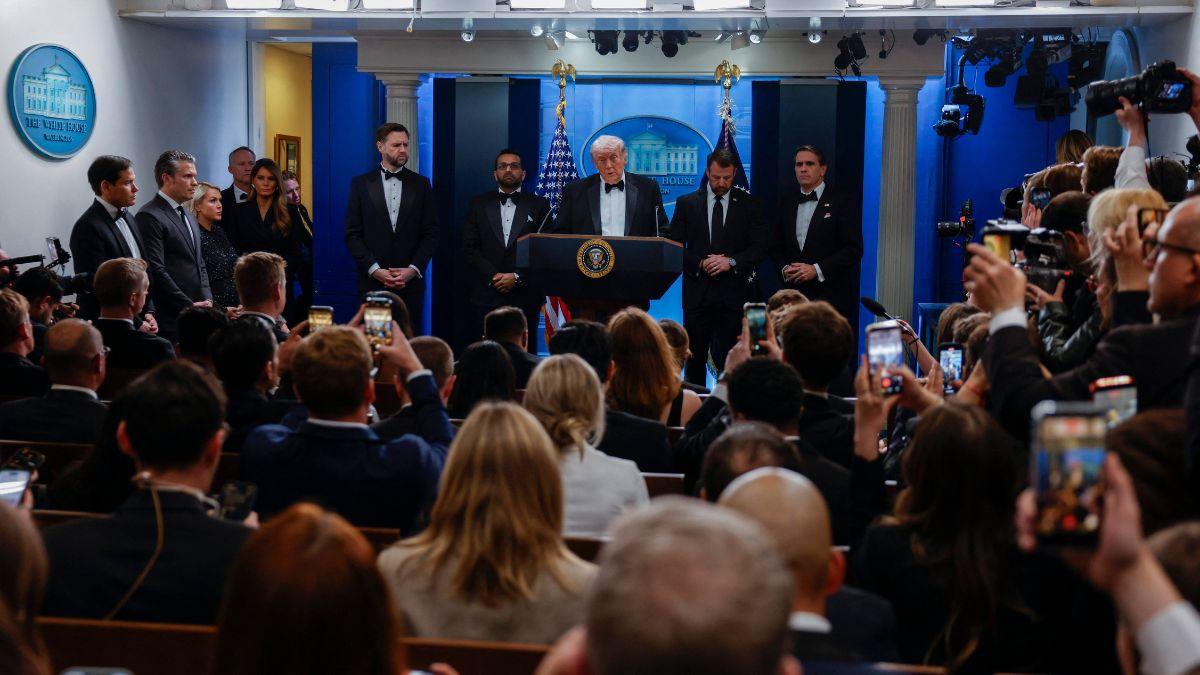
Physical barriers seen as critical in attacks.
“Once the guy breached the agents and officers got after it immediately. Game on! Personal bravery confronting an armed subject,” Katz said. “But it shouldn't have gotten to that point.”
The incident also raises a more sobering question: what happens if the threat isn’t a single individual?
“Imagine if four guys with rifles had burst through that door and started shooting right away,” Katz suggested. “All those officers and agents go down. There is no way they're not getting into that room.”