
 EXCLUSIVE
How Elvis Presley's Manager Colonel Tom Parker Drummed Up Assassination Fears to Keep The King Trapped in America
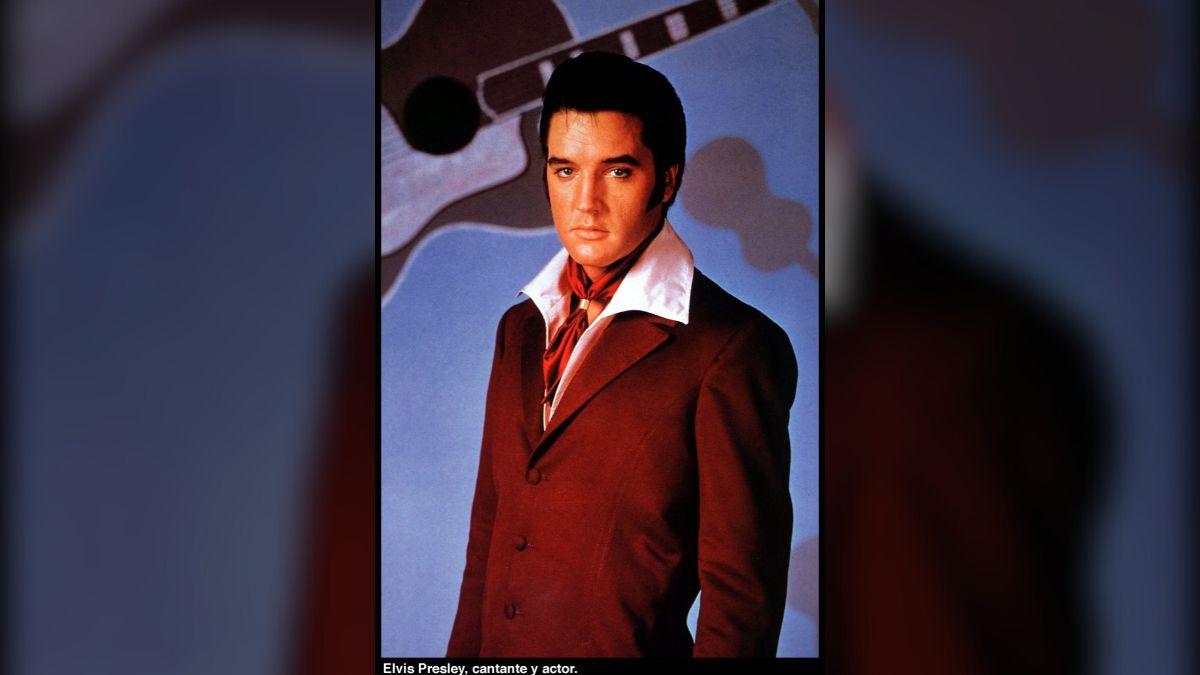
Elvis Presley's manager colonel Tom Parker allegedly drummed up death threats abroad to keep Elvis trapped in the U.S.
Feb. 13 2026, Published 5:00 a.m. ET


Elvis Presley was kept pinned to Las Vegas not only by contracts and cash, but by a climate of fear carefully cultivated by his manager, according to renewed scrutiny of how Colonel Tom Parker used exaggerated assassination threats to block the singer from touring abroad.

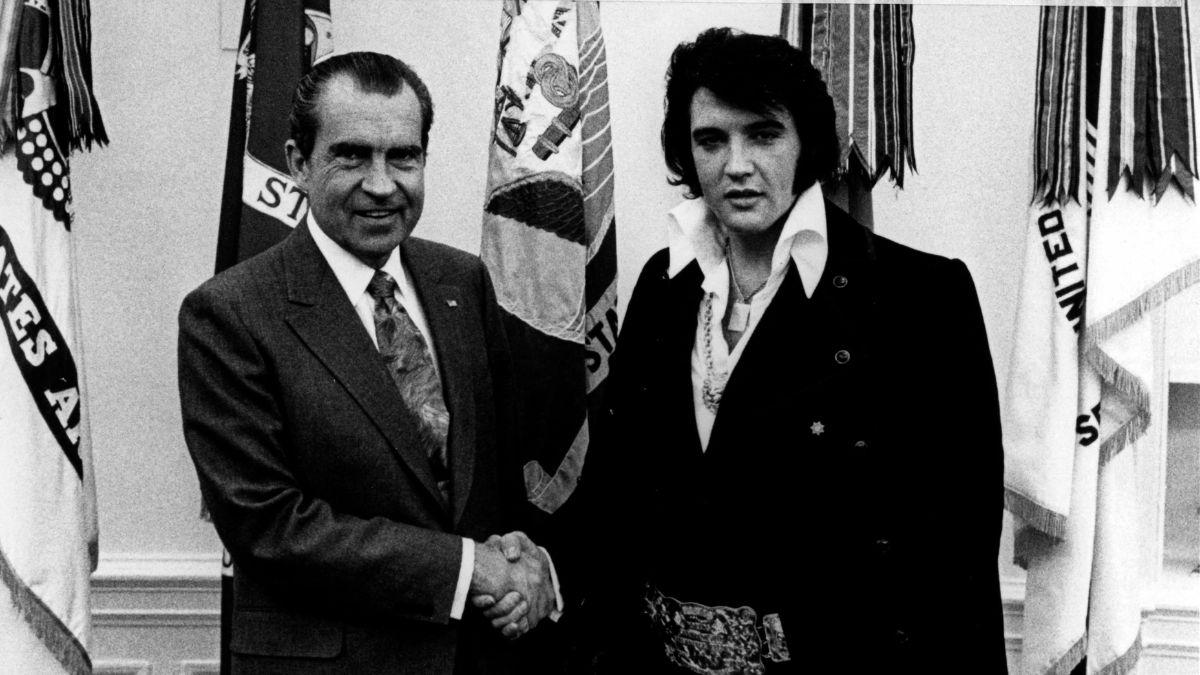
Elvis Presley was allegedly pinned in Las Vegas by manager Colonel Tom Parker.
OK! can reveal the claim has resurfaced after renewed debate around Baz Luhrmann's 2022 film Elvis, which depicts Parker amplifying threats from overseas extremists to justify keeping Presley, then in his late 30s, confined to an exhausting U.S. residency many fans believed killed the King.
Presley died in 1977 at age 42, after seven years performing in Las Vegas, while Parker, born Andreas Cornelis van Kuijk, died in 1997 at age 87.
In the film, Parker, played by Tom Hanks, is shown erupting at the suggestion that Presley tour internationally.
"Overseas? Have you thought about security?" he bellows."This is Elvis Presley – the most famous man on the planet."
He continues: "The crazies in those countries are 100 times more dangerous. Am I the only one who cares about Elvis' security?"
The scene escalates with references to terrorism and assassination as justification for staying put.
Luhrmann's portrayal frames those warnings as part of Parker's long-documented control over Presley, whose U.S.-only performances helped bankroll Parker's gambling debts.
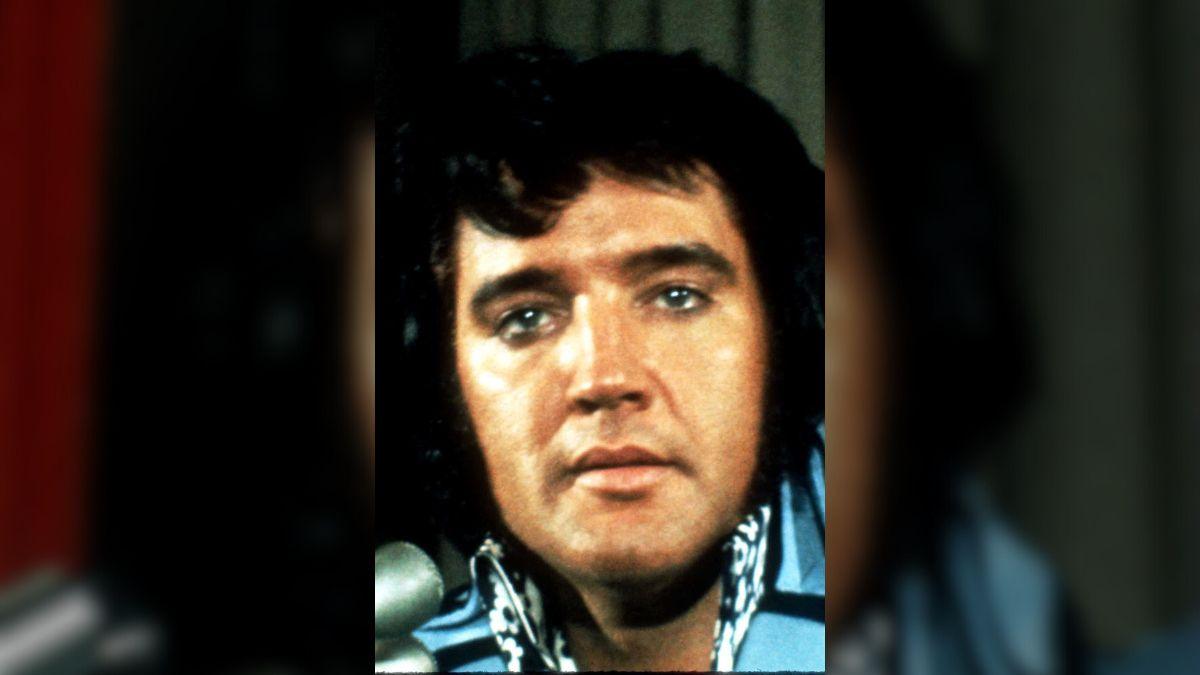
Elvis Presley died in 1977.
A montage shows Presley rattled by anonymous death threats, barricading himself in hotel rooms and sleeping with foil-covered windows, while Parker reads newspaper headlines aloud and rants: "What has happened to law and order in this country? Hippies and radicals trying to kill entertainers? The I.R.A. trying to blow up engine planes? Exploding in mid-air? What is this?"
A music historian has now told us the film's interpretation aligns with decades of biographical research.
They said: "Parker's strategy was to exaggerate danger abroad to make America feel like the only safe option. It wasn't about Elvis' safety so much as Parker's control and income stream."
One Presley expert added: "There is no evidence the I.R.A. ever posed a direct threat to Elvis. But fear was a powerful management tool, and Parker used it relentlessly."
- Austin Butler Attends 2023 Critics' Choice Awards Days After Lisa Marie Presley's Tragic Death
- How Martin Scorsese Strapped on Bulletproof Vest and Was Secretly Surrounded by Undercover FBI Agents at Oscars — After One of His Most Famous Movies Inspired Failed Presidential Assassination Bid
- Jeffrey Epstein Look-Alike Spotted Driving in Florida Goes Viral: Watch
Want OK! each day? Sign up here!
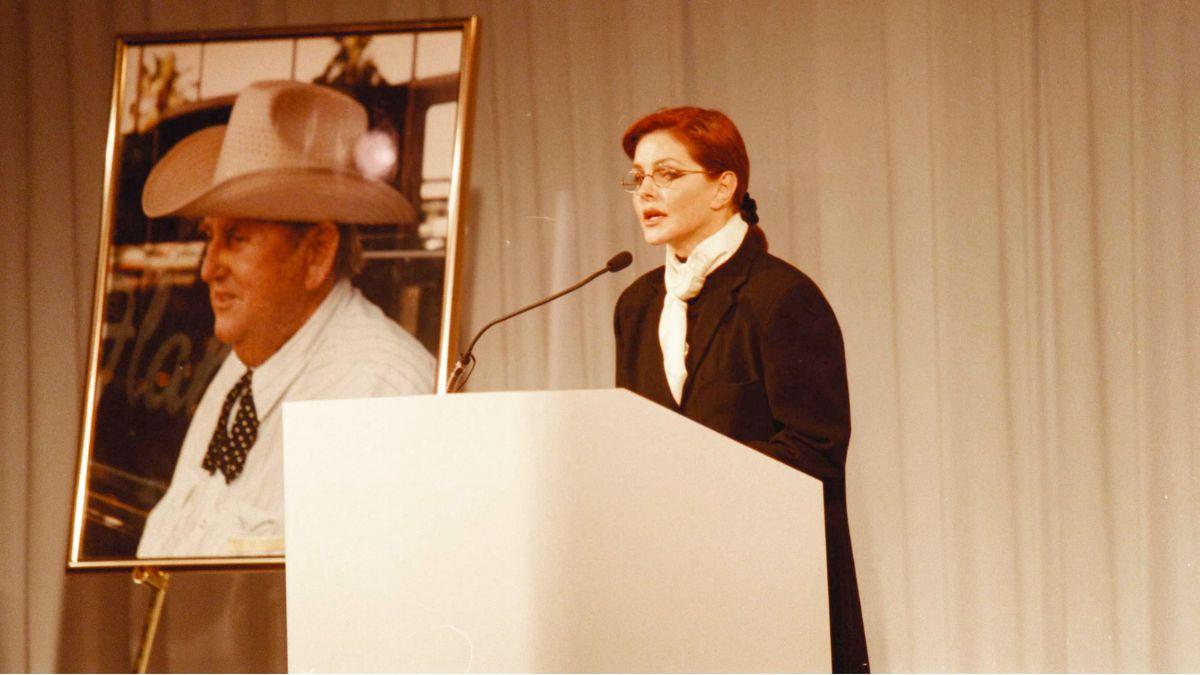
Colonel Tom Parker allegedly exaggerated danger abroad to keep Elvis Presley in the U.S.
The mention of the Irish Republican Army in the movie has drawn ridicule and anger online, with viewers questioning why a Northern Ireland terror group would target an American pop star in Las Vegas.
The I.R.A. did claim responsibility in 1974 for placing an unprimed bomb on a British Airways flight to demonstrate airport security weaknesses, but no credible records link the group to threats against Presley. F.B.I. files, researchers say, contain no such warnings.
One Presley expert described real but nonspecific threats to Elvis at the time of his Sin City residency.
They said: "An anonymous phone caller did warn of a plot to kidnap him."
The researcher added the F.B.I. were alerted over threats to the star, saying: "One warning did come claiming Elvis would be shot on stage."
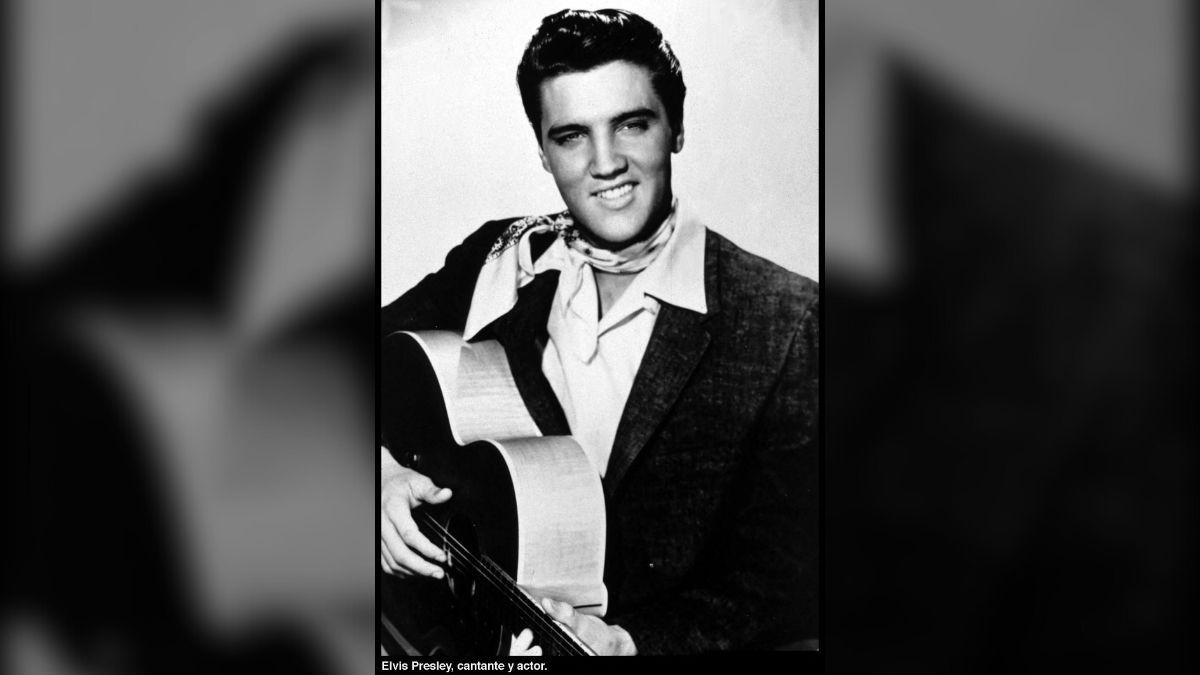
There were non-specific reported threats during Elvis Presley's residency.
Presley's own anxiety about his security and stalkers was genuine. He regularly carried firearms, and a former security consultant said: "Elvis was frightened at times, but Parker turned that fear into a cage. Touring overseas would have broken Parker's grip."
Luhrmann's film also situates the paranoia in a broader American context, referencing the assassinations of John F. Kennedy in 1963, when Presley was 28, and Robert Kennedy in 1968, when the crooner was 33.
Presley died three years before John Lennon was shot in New York.
A source close to the production said: "The assassination rhetoric wasn't meant to be literal history. It shows how Parker manipulated world events to keep Elvis exactly where he wanted him – earning, isolated, and afraid to leave."