
 Politics
J.D. Vance Confirms Wife Usha and Newborn Son Are 'Happy and Healthy' After Birth of Baby No. 4: 'Our Kids Are Overjoyed'

J.D. Vance and his wife, Usha, are officially parents-of-four.
July 20 2026, Published 10:35 a.m. ET


Vice President J.D. Vance and Second Lady Usha Vance announced the birth of their fourth child, a baby boy named Alec Neel Vance, on Sunday morning, July 19.
Alec is the first child born to a sitting U.S. Vice President while in office in over 150 years. The last time this occurred was in 1870, when Vice President Schuyler Colfax welcomed a son.
The family shared a joint statement on social media confirming that both Usha and the baby are happy and healthy.
“We are excited to announce that our baby boy, Alec Neel Vance, was born this morning. Usha and the baby are happy and healthy, and our kids are overjoyed to meet their little brother,” Vance wrote on social media.

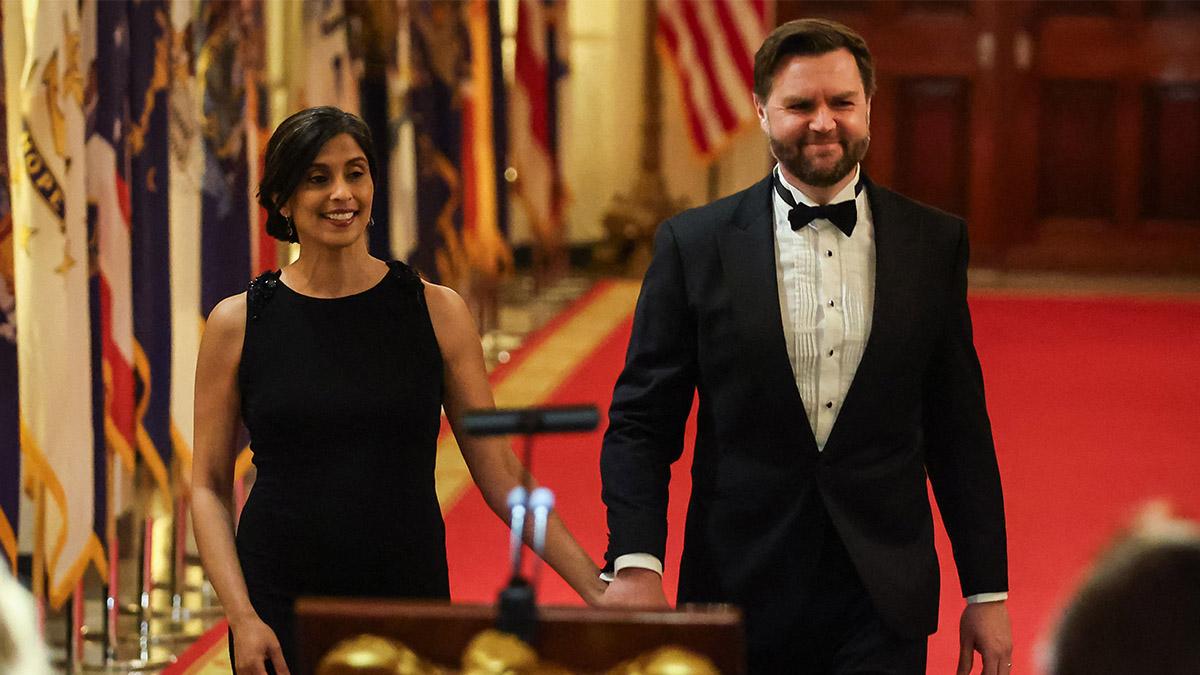
J.D. Vance and his wife Usha share Ewan, 9, Vivek, 6, Mirabel, 4, and newborn Alec.
The delivery took place at the Walter Reed National Military Medical Center in Bethesda, Md. The couple extended their thanks to the military doctors and the White House Medical Unit.
Alec joins three older siblings: Ewan, 9, Vivek, 6, and Mirabel, 4.
The couple, who met at Yale Law School and married in 2014, had previously announced the pregnancy in January 2026. In media appearances leading up to the birth, the Vice President noted that conversations regarding expanding their family were deeply influenced by conversations with conservative circles and their personal commitment to a pro-family lifestyle.
J.D. Vance Said Charlie Kirk's Death Influenced Decision for Baby No. 4
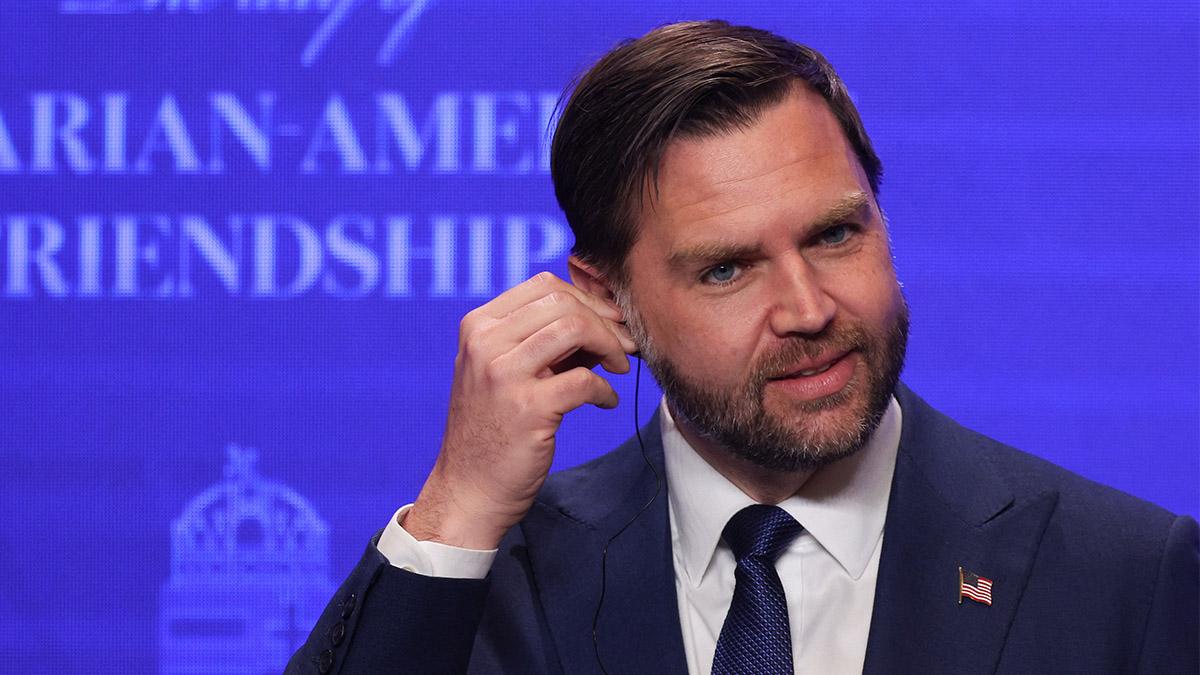
J.D. Vance wrote in his memoir about how Charlie Kirk directly influenced his and Usha's decision to have their fourth child.
The assassination of MAGA influencer Charlie Kirk directly influenced the Vances’ decision to have their fourth child.
The couple shared details regarding how the tragedy shifted their family plans in a joint interview with CBS Sunday Morning and in J.D.'s memoir, Communion: Finding My Way Back to Faith.
The 41-year-old 2028 Republican presidential hopeful, who recently apologized for his now infamous "childless cat ladies'" slur, revealed that he had requested another child for years, but Usha felt their family was complete, especially given the intense public spotlight of the vice presidency.
- Donald Trump Beats J.D. Vance to Sharing First Photo of Vice President's 'Perfect' Baby Boy 1 Day After Newborn's Arrival
- J.D. Vance's Wife Usha Says They're 'Happier' Than Ever After Welcoming Baby No. 4 Despite Initially Feeling 'Angst' Over Expanding Their Family
- J.D. Vance's Wife Usha Says Secret Service Detail for Their Newborn Baby Is an 'Absurdity'
Want OK! each day? Sign up here!
Erika Kirk Told Usha Vance She Regretted Not Having More Kids
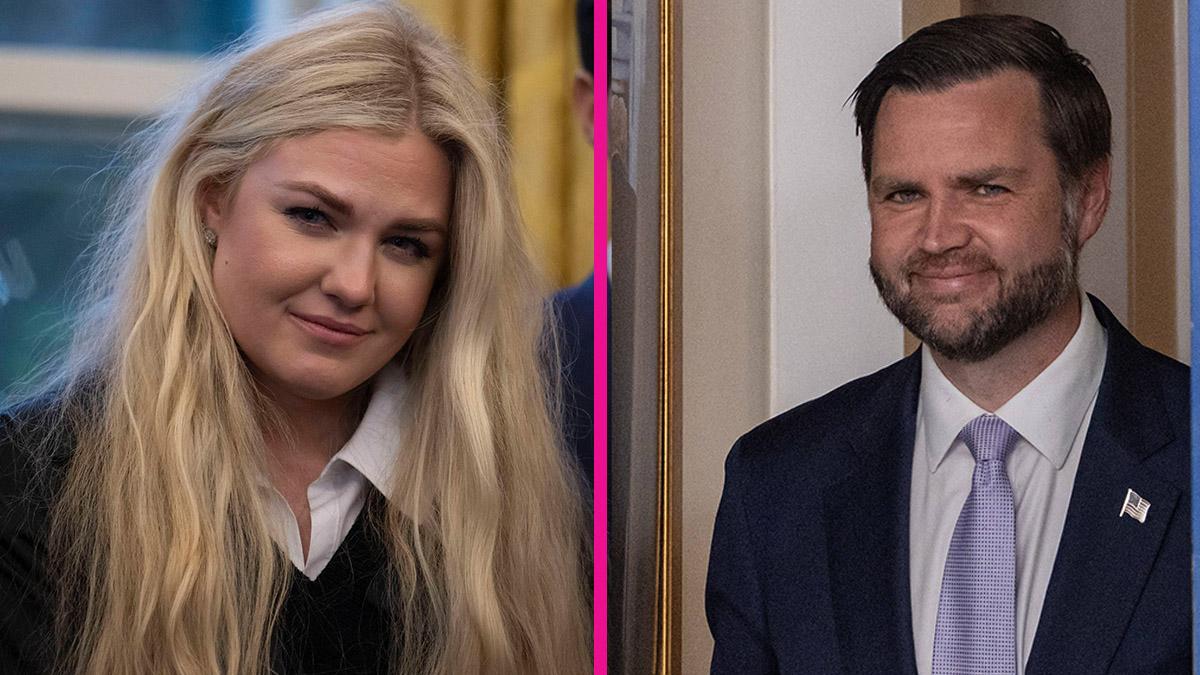
Erika Kirk told Usha Vance she regretted only having two children with her late husband, Charlie.
In September 2025, Kirk was fatally shot on a Utah college campus. The Vances flew to Utah to console Kirk’s widow, Erika, and escort his body home to Arizona. While grieving, Erika told Usha between sobs that she deeply regretted only having two children with Charlie.
J.D. wrote that the moment brought extreme clarity regarding the fragility of life, stating, "One life was stolen from us, but another was given." About six weeks after the funeral, Usha became pregnant.
In her interview with CBS News, Usha clarified that while they were already casually discussing the possibility, Erika's emotional vulnerability was "very powerful" and "moving," ultimately opening her mind to the idea of expanding their family.
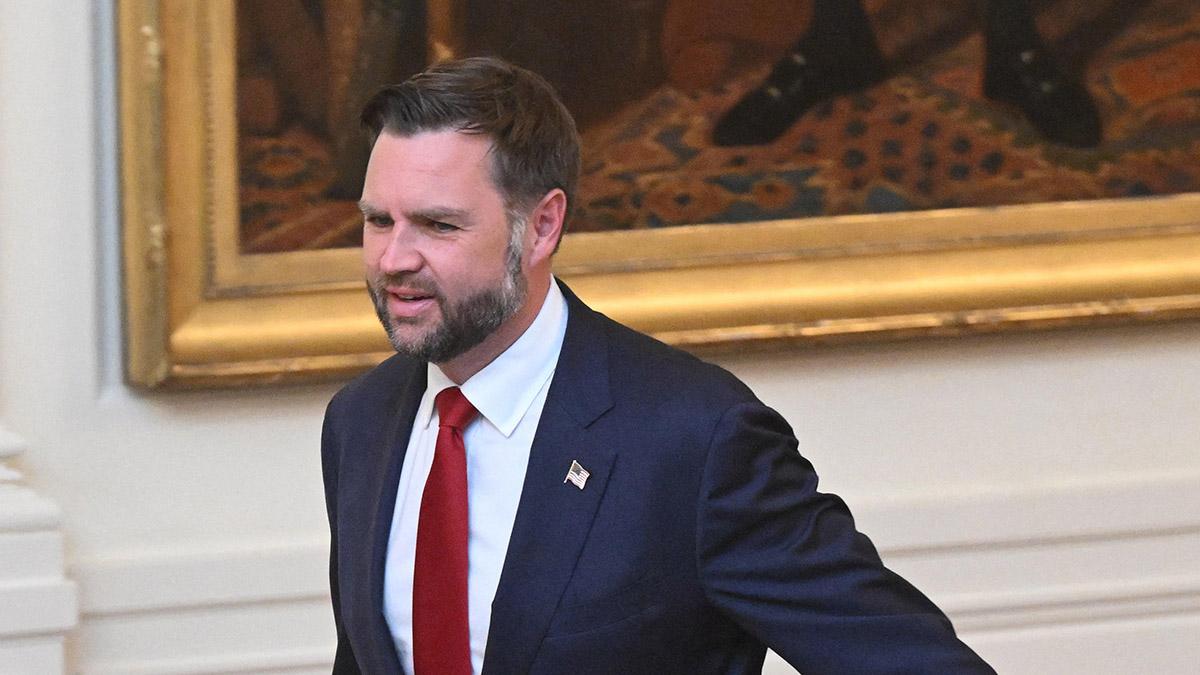
J.D. Vance reportedly frustrates his Secret Service detail with extensive travel demands.
The new addition to the Vance family comes in the wake of a controversy in which the Veep drew significant criticism and frustrated his Secret Service detail after requesting a military helicopter to fly his young son across town for a golf lesson.
An explosive investigative report by MS NOW revealed that the Secret Service detail assigned to the Vance family has become increasingly burnt out due to a pattern of last-minute travel demands, high-cost requests and unexpected scheduling changes.