
 Politics
Natalie Harp Reportedly Showed Donald Trump Critical Coverage Before White House Media Ban

Natalie Harp reportedly showed Donald Trump critical television clips before the media ban.

Sept. 27 2026, Published 5:05 a.m. ET


President Donald Trump’s abrupt decision to ban CNN, MS NOW and Politico from the White House reportedly followed a private media briefing from close aide Natalie Harp.
On September 21, CNN’s Kaitlan Collins reported, citing unnamed sources, that Harp showed Trump a Politico graphic and television clips that “infuriated” him before he announced the prohibition on Friday, September 18.
The Wall Street Journal reported that Harp played clips of MS NOW anchors criticizing the administration only hours before Trump declared the three organizations barred “effective immediately.”
Critical Coverage Reaches Trump

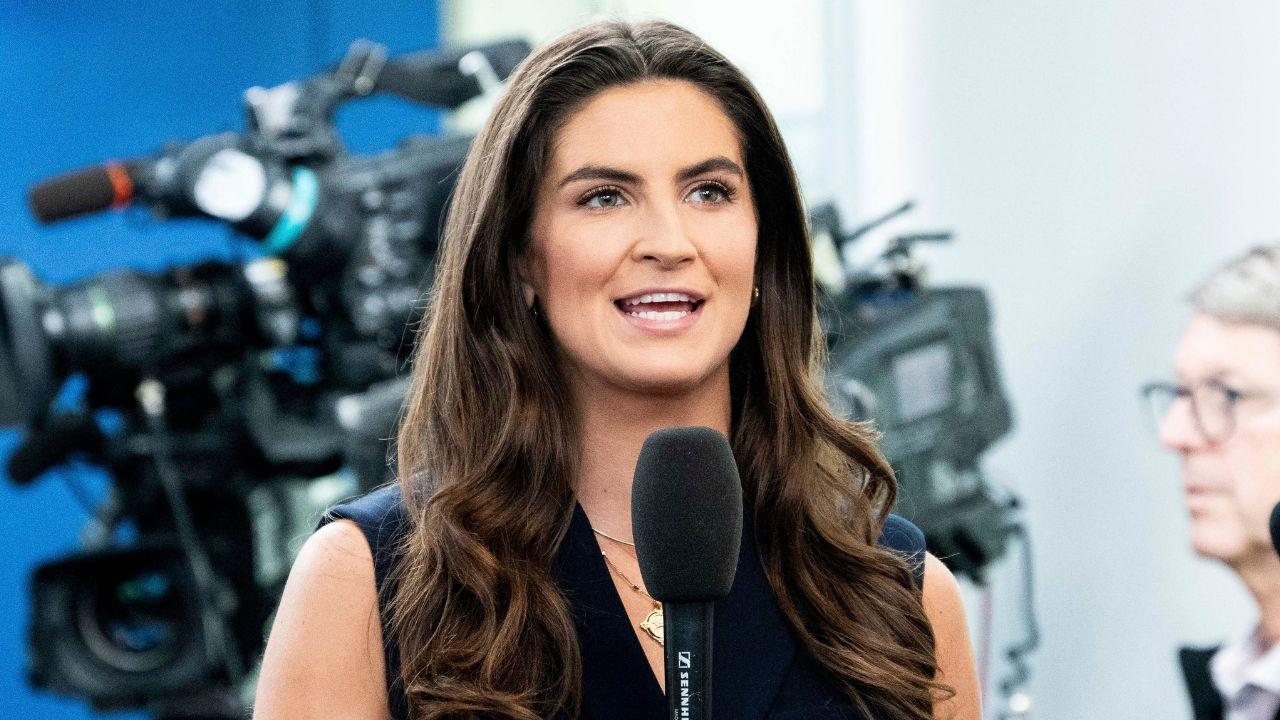
CNN’s Kaitlan Collins reported that a 'Politico' graphic and broadcast segments angered the president.
Harp, 35, is an executive assistant who has become a constant presence around the president. Nicknamed the “human printer,” she reportedly supplies Trump with printed articles and suggests material for his social media accounts.
Trump has privately complained that too few political allies defend him on television or praise his second-term record, according to unnamed sources cited in the reports.
The president had previously considered banning media organizations that displeased him, but aides reportedly persuaded him to adopt narrower restrictions, such as limiting individual reporters’ attendance at smaller Oval Office events.
Senior Advisers Were Away
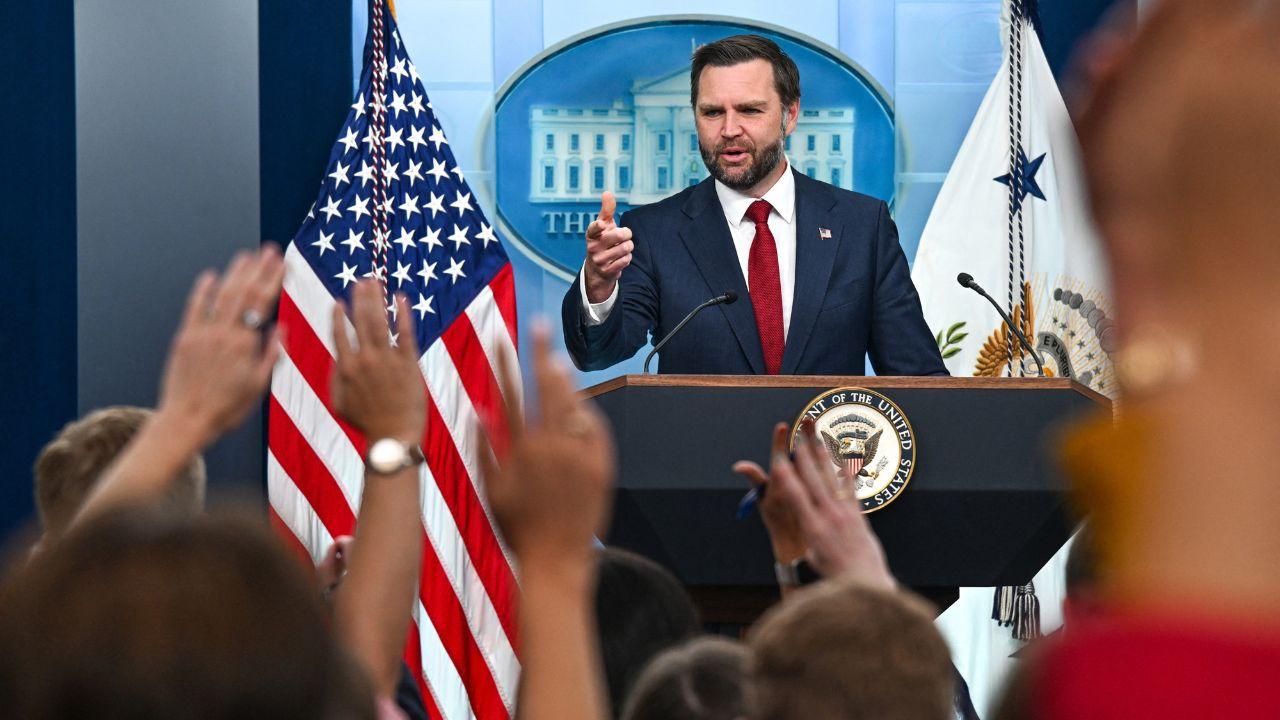
Senior advisers were reportedly away when Donald Trump made the decision.
Chief of Staff Susie Wiles and Vice President J.D. Vance were reportedly absent from the White House when Trump reached his decision.
Wiles was in Florida, while CNN reported that Vance was also away. More than a dozen current and former administration officials were reportedly “puzzled” by the ban, with some characterizing it as a “head-scratcher.”
Trump did not publicly identify one article or broadcast responsible for the decision.
“It’s really just cumulative stories over the last two years,” he told reporters. “You get sick of it.”
Vance subsequently defended the ban, saying the affected organizations would not maintain White House offices unless they began acting, in his characterization, “like real news organizations.”
Want OK! each day? Sign up here!
From Social Media Post to Lawsuit
Donald Trump’s ban followed complaints about cumulative negative coverage from the targeted outlets.
Trump announced the ban on Truth Social, accusing the outlets of publishing “FICTION and LIES” and warning that “Other Fake News Media Outlets” could follow.
The restriction became concrete on Saturday, September 19, when reporters attempting to enter the White House found their credentials disabled or confiscated.
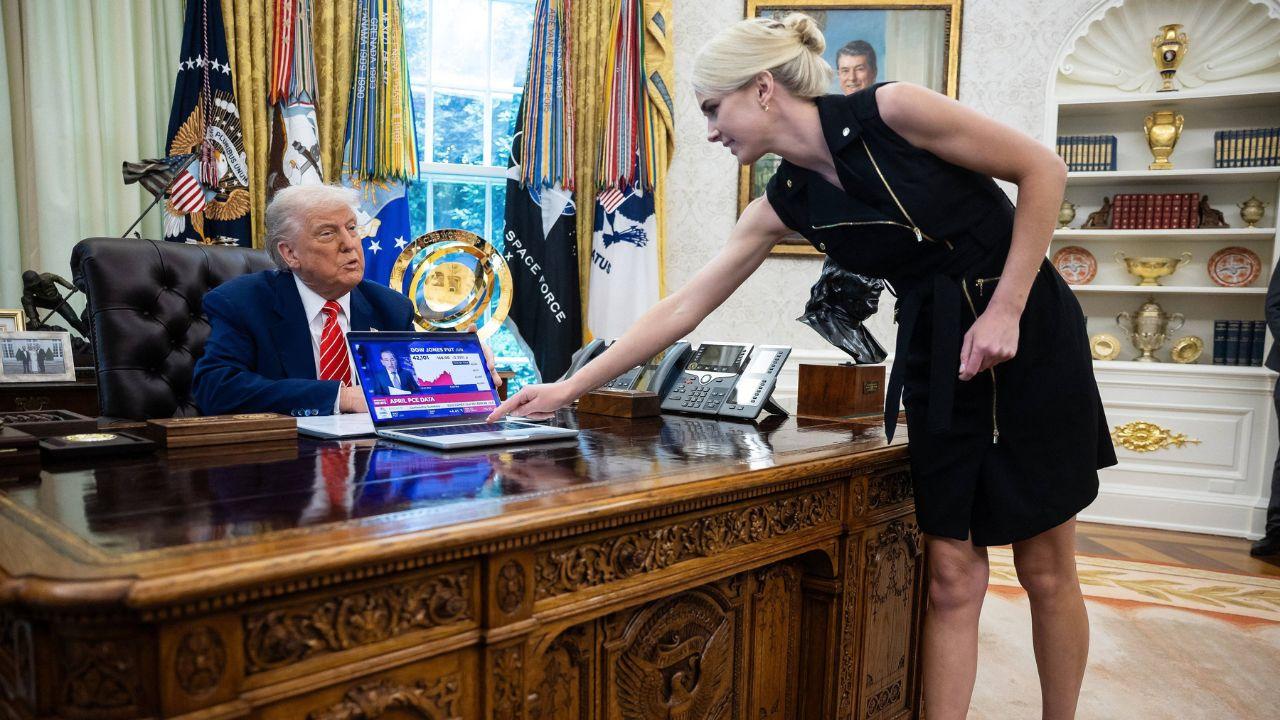
CNN, MS NOW and 'Politico' filed a lawsuit seeking to restore their White House press access.
CNN, MS NOW and Politico have since filed a joint First Amendment lawsuit seeking to restore access. The organizations argue that officials cannot determine which journalists enter the White House according to whether the administration approves of their coverage.
The dispute has also disrupted presidential television coverage. CNN had been scheduled to perform the rotating pool assignment on Monday, September 21, but the other major networks declined to replace it after the White House blocked its participation.
“There will be no replacement pool put in place,” TV pool chair Bryan Boughton wrote, extending the effects of the ban beyond the three targeted outlets.