
 ENTERTAINMENT
Netflix Sued for $105 Million Over Allegedly Lost Nicolas Cage Film

Nicolas Cage's unreleased film 'Fortitude' became the center of a $105 million lawsuit against Netflix.

July 31 2026, Updated 10:31 a.m. ET


Netflix is facing a $105 million lawsuit after filmmaker Simon Afram alleged the streaming company lost the only master copy of the unreleased Nicolas Cage movie Fortitude.
According to a complaint filed in California federal court on July 22 and obtained by Entertainment Weekly, Afram and his U.K.-based company, Op-Fortitude, claimed the incident damaged the film's value and hurt its chances of being sold to another buyer.
The lawsuit centered on Fortitude, a World War II film starring Cage alongside Ben Kingsley, Ron Perlman, Michael Sheen, Matthew Goode, Lukas Haas and Alice Eve.
Filmmaker Claimed Missing Hard Drive Hurt the Movie's Value


Simon Afram alleged Netflix lost the only master copy of Nicolas Cage's unreleased film 'Fortitude.'
The complaint alleged that a master copy of Fortitude was delivered to Netflix on a hard drive on June 15 after months of discussions about a possible acquisition.
According to the filing, the hard drive was later stolen along with several other drives from the company. Afram claimed Netflix did not notify him about the theft until several days later.
Per THR, the complaint alleged that 10 days after the hard drive was delivered, Netflix informed the filmmakers that it had been stolen. According to the lawsuit, Sean Berney, Netflix's head of film acquisitions, acknowledged the incident in a June 25 email.
Berney said, "This is a first for us."
He added, "Unfortunately, someone stole a good amount of drives from our office desks this past week. We’ve been working through this with out security teams to no luck. Our piracy teams are on high alert with the breach and will monitor."
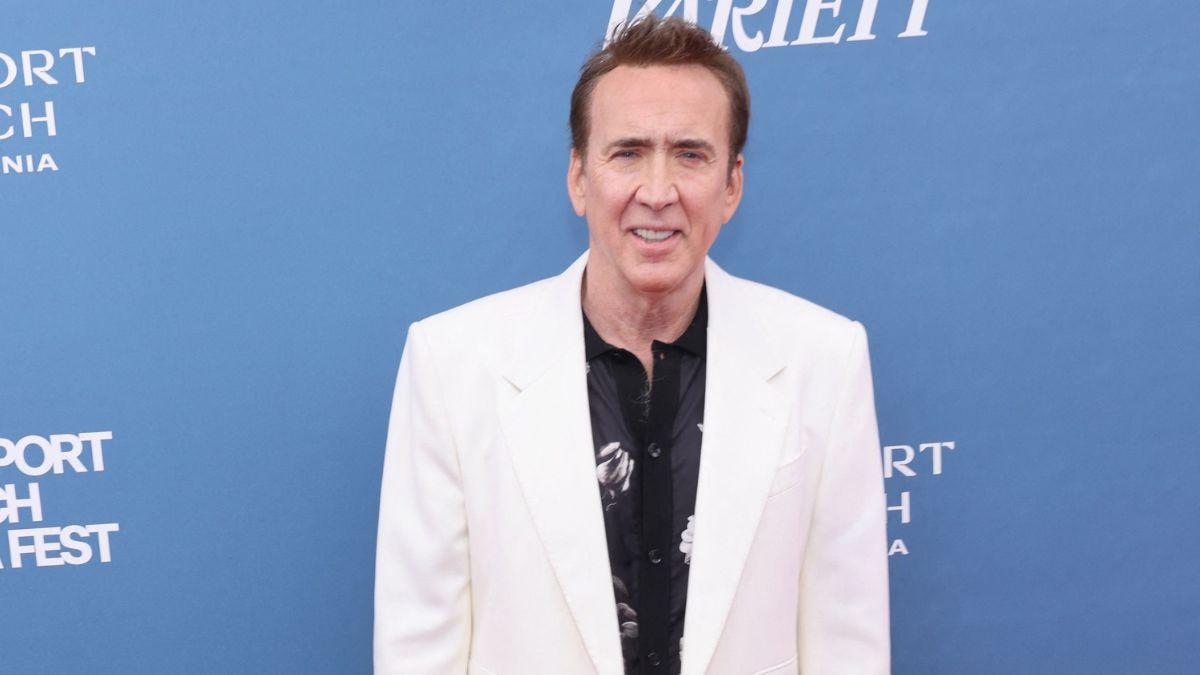
Simon Afram claimed the loss of Nicolas Cage's 'Fortitude' reduced the film's market value.
The lawsuit stated that the missing copy could make it harder to sell the film because future buyers would need to be informed that one master copy had been lost. The plaintiffs argued that this could create insurance concerns and reduce the movie's market value.
Afram also claimed he spent more than $45 million and seven years making the film. He is seeking $105 million in damages.
Want OK! each day? Sign up here!
Netflix Disputed Responsibility for the Loss
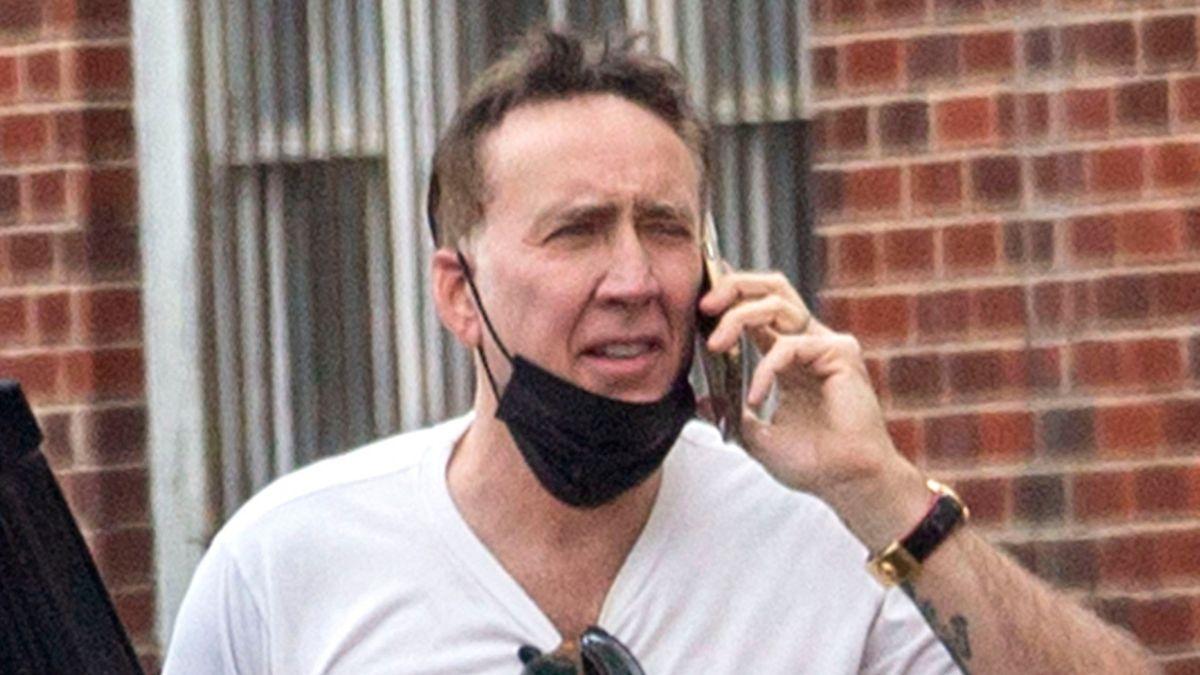
Netflix defended its handling of Nicolas Cage's 'Fortitude' after the $105 million lawsuit.
Netflix responded to the lawsuit in a statement shared with The Hollywood Reporter.
"Netflix disputes any claim that it bears the risk of loss for a film delivered without the proper industry-standard safeguards," the company said.
The streamer also said it had taken additional steps to assist the filmmakers after the theft.
"While we do not own the rights to Fortitude, we take content security seriously and have taken extra measures to support the filmmaker and his team. This includes conducting a thorough investigation and offering to monitor known piracy sites for any unauthorized distribution or sale," they continued.
The lawsuit alleged that Netflix employees had been informed that the hard drive was not encrypted and had been instructed to delete the files after reviewing the movie. The plaintiffs claimed the drive was supposed to be returned once Netflix finished its evaluation of the film.
Police Report Was Filed as Legal Fight Continued
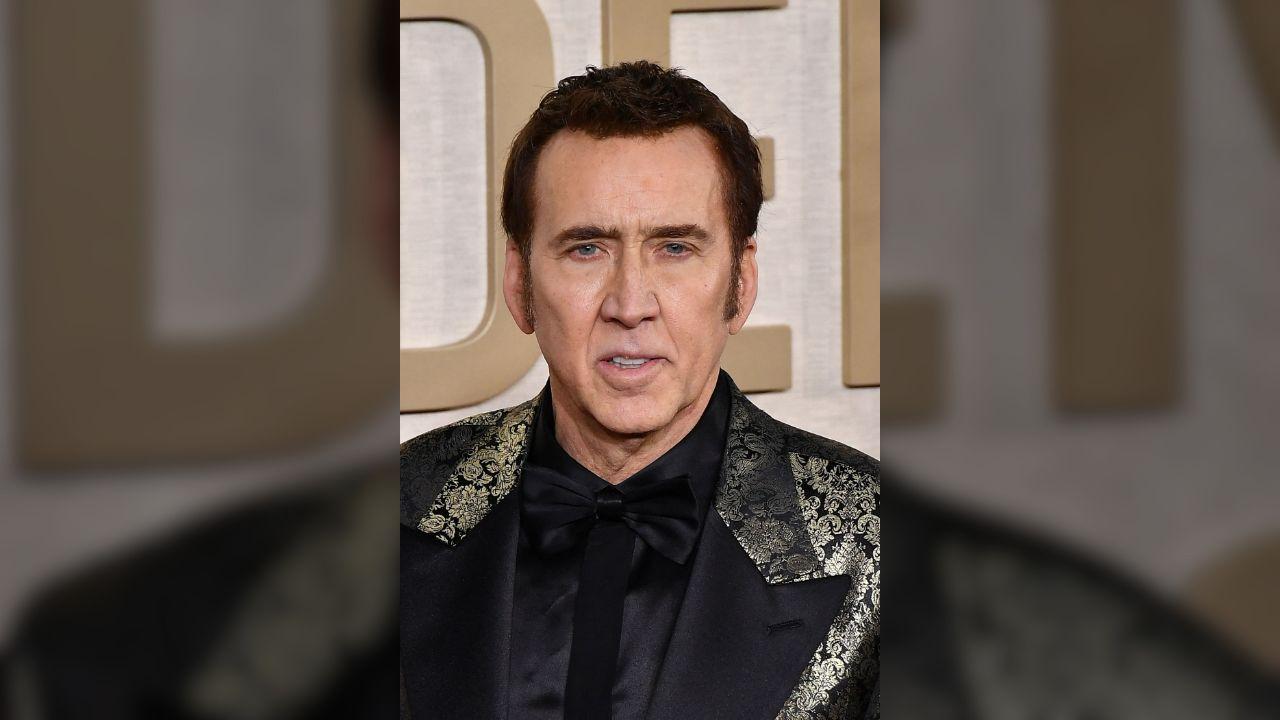
Netflix had not acquired the rights to Nicolas Cage's 'Fortitude' when the lawsuit was filed.
The complaint said Afram and his company reported the theft to the Los Angeles Police Department after learning the hard drive was missing.
The legal filing described Fortitude as an exciting, action-packed World War II story based on a true story and compared its tone to Ocean's Eleven meets Inglourious B-------.
Netflix has not purchased the rights to the film, and the lawsuit remained pending at the time of publication. The court will determine whether the streaming giant bears any legal responsibility for the alleged loss of the movie's master copy.