
 NEWS
NEWS'Stuart Fails to Save the Universe' Creator Bill Prady Admits Multiverse Theory Is 'Conceptually Uncomfortable'

Bill Prady explained the scientific ideas that shaped HBO Max's 'Stuart Fails to Save the Universe.'
July 24 2026, Updated 2:09 p.m. ET


HBO Max's Stuart Fails to Save the Universe co-creator Bill Prady discussed the science behind the show's multiverse and why its infinite possibilities are difficult to grasp.
Speaking to Variety, Prady said one aspect of the multiverse remained especially difficult to understand.
He revealed, "The theory is that the universe branches at every decision point, so there's a rapidly growing, infinite number of universes. That gets into the very annoying realization that some infinities are bigger than other infinities, which is mathematically true and conceptually uncomfortable."
Prady added, "But it would state that from the point of the Big Bang, the number of infinite parallel universes increases with every moment that the universe ticks by."

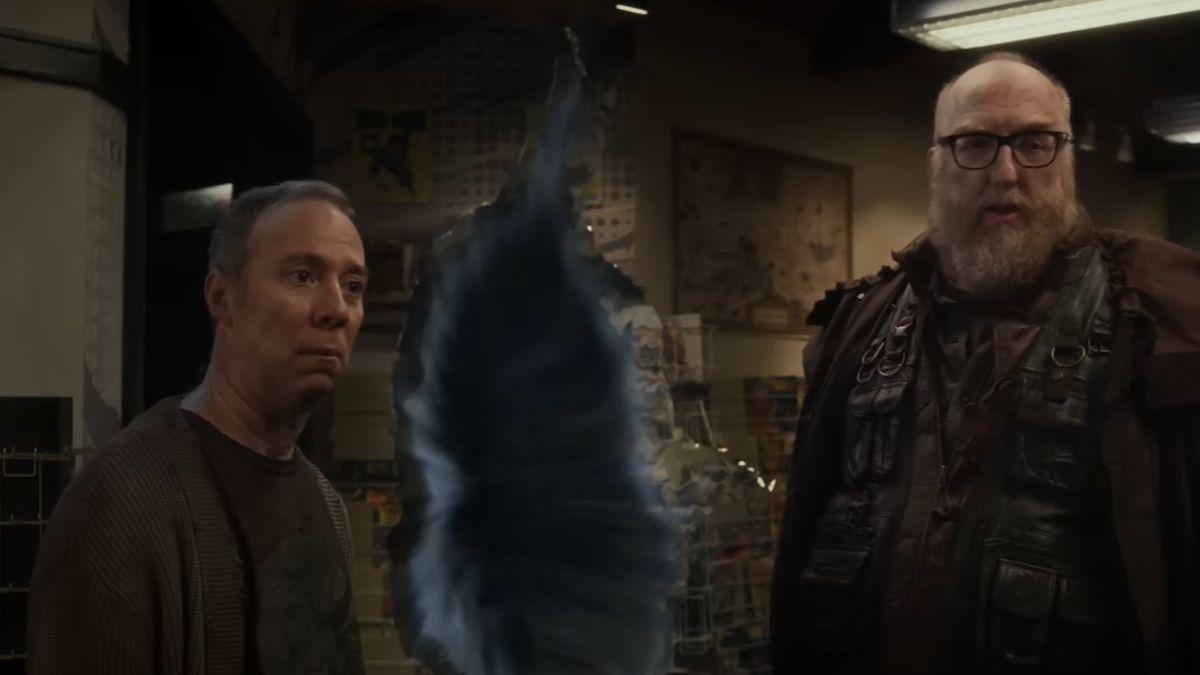
Bill Prady said the show's multiverse was inspired by real scientific theories alongside science fiction.
However, Prady then joked about the complexity of the explanation, saying, "How useless is that?"
The series opens in an alternate, post-apocalyptic Pasadena, where Stuart Bloom, played by Kevin Sussman, discovers that a quantum interference device built by Leonard Hofstadter, Sheldon Cooper, and Howard Wolowitz altered reality.
Stuart and Bert Kibbler set out to find the device, eventually reuniting with Denise and Raj Koothrappali while facing an evil version of Barry Kripke.
After Raj is killed and the device activates again, Stuart, Bert, and Kripke are transported to another universe, raising questions about what happens to the worlds they leave behind.
Bill Prady Explained The Show's Multiverse Rules
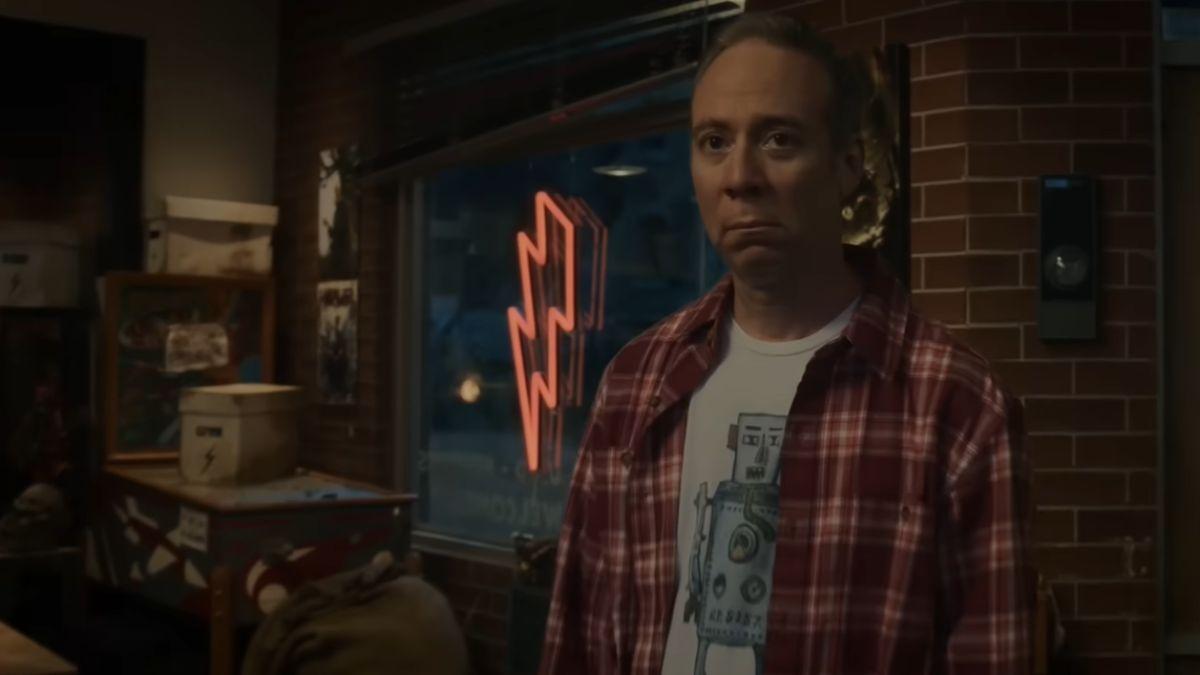
'Stuart Fails to Save the Universe' followed Stuart Bloom played by Kevin Sussman as he traveled across alternate realities.
Prady also addressed one unanswered question after the characters travel between universes.
"That is ambiguous, and they don't know, and we don't know," he stated.
The 66-year-old further explained that one possibility was that the previous universe no longer existed, meaning Raj's death effectively never happened.
Another possibility was that an infinite number of universes existed simultaneously, making that version of Raj only one among countless others.
Want OK! each day? Sign up here!
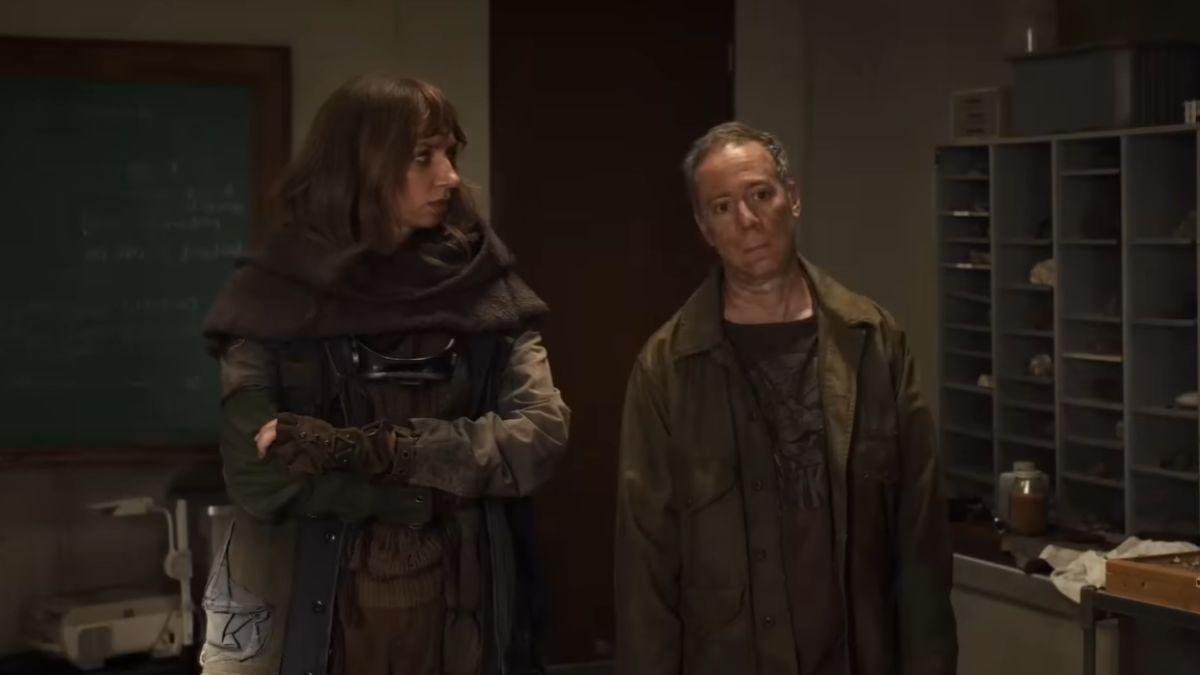
Bill Prady explained that the show's quantum device rewrote both reality and the past.
Prady also discussed how the series handled changes to time across different universes.
"The Einsteinian issue that time is a fourth dimension comes into play here. Because when the device malfunctions, it alters reality, but it creates a new past as well," he said.
He added, "So when we meet them in the first episode, the apocalypse is some years ago, and that’s a result of the alteration. Both the past and present and the future are altered from what they should have been."
Kevin Sussman Said The Science Stayed Internally Consistent
Sussman credited Prady and reflected on working with him while filming the series.
"There's a bunch of quantum physics involved in the show, and Bill is an expert on quantum physics theory," he said.
He added, "You can get away with a lot because at the end of the day, it is theory."
Sussman said he often questioned how certain scenes worked, but Prady always explained the reasoning behind them.
He recalled, "I had an epiphany at one point when I realized, oh wait, so it's not just parallel universes — it's parallel universes with a little time travel mixed in!"