
 Politics
Barack Obama Slammed Donald Trump as a 'Hopeless Idiot' and 'Pathological Liar' During COVID-19 Pandemic, Dr. Anthony Fauci's Diaries Claim

Dr. Anthony Fauci documented his phone calls with Barack Obama during the COVID-19 pandemic.
July 31 2026, Published 4:32 p.m. ET


Former President Barack Obama’s candid remarks about President Donald Trump and his eldest son, Donald Trump Jr., were recorded by Dr. Anthony Fauci in a personal pandemic-era diary, whose contents were retrieved from federal servers by the HHS and publicly released by Sen. Rand Paul (R-Ky.) as part of a congressional investigation.
In a diary entry dated November 4, 2021, Dr. Fauci detailed an "incredibly memorable" 25-minute phone call from Obama.
Obama called Dr. Fauci to offer his support as right-wing figures targeted the doctor over his COVID-19 pandemic response.
During the call, Dr. Fauci brought up campaign merchandise on Trump Jr.’s website that featured the phrase "Fauci kills puppies.”
'He Was Very Upset'

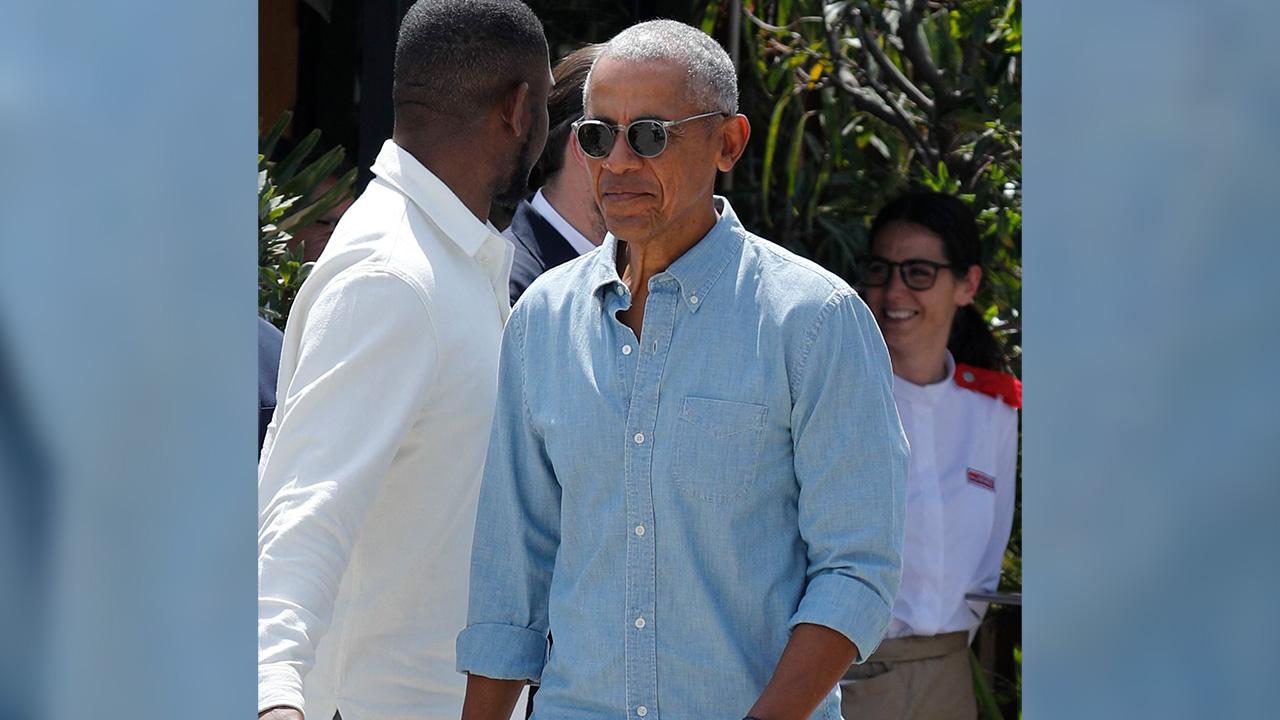
Dr. Anthony Fauci's diary entry claimed Barack Obama called Donald Trump a 'hopeless idiot' and 'pathological liar.'
According to the diary entries, Obama responded that Trump Jr. is a "f------ moron" before apologizing to Dr. Fauci for the crude language.
Obama allegedly went on to slam Trump as a "hopeless idiot" and a "pathologic liar.”
Obama expressed deep frustration that moderate Republicans were choosing to distance themselves rather than speaking out against the "slanderous behavior" aimed at the 85-year-old doctor.
“He was very upset that none of the moderate Republicans were actually speaking out on my behalf and were distancing themselves from all of this terrible, slanderous behavior against me,” read the doctor’s diary.
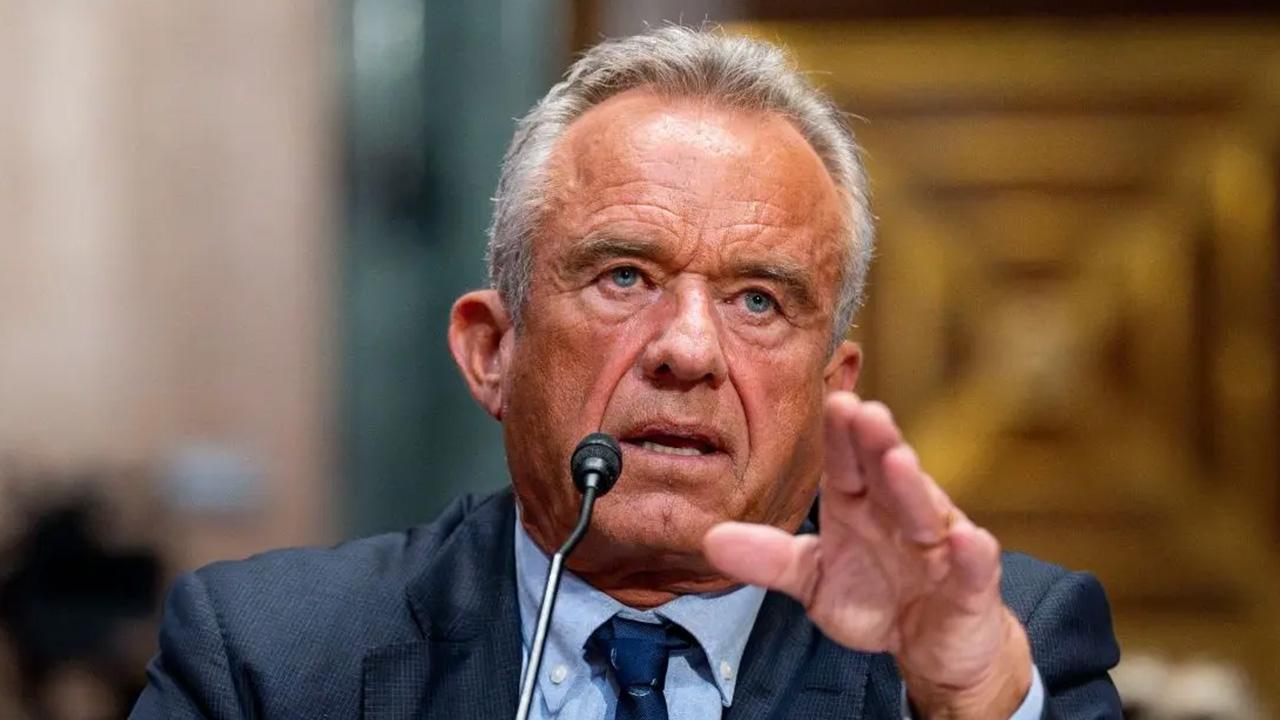
Robert F. Kennedy Jr. serves as Health and Human Services Secretary under Donald Trump.
Under the leadership of controversial HHS Secretary Robert F. Kennedy Jr., agency teams spent roughly eight months extracting over 1,100 pages of Fauci’s journal entries from 11 separate government servers.
Kennedy defended the collection, stating that the writings were not private journals but rather "government records created on a government computer by a federal employee" during a major national crisis.
The HHS turned the records over to Sen. Paul, Chairman of the Senate Homeland Security Committee, who released them to the public.
Paul used the documents to question Dr. Fauci under subpoena at a subsequent high-profile committee hearing on the origins of COVID-19.
Want OK! each day? Sign up here!
Dr. Anthony Fauci Faces Brunt of COVID Criticism
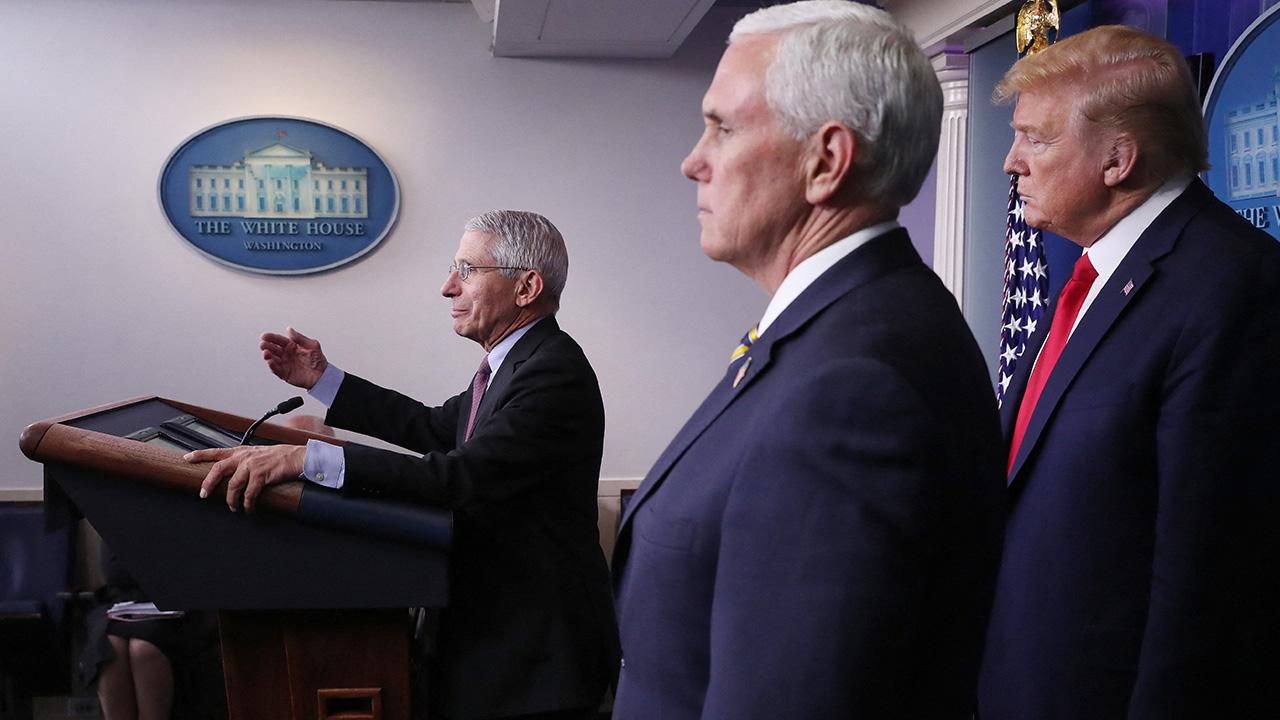
Dr. Anthony Fauci was the most visible face of government-mandated COVID-19 restrictions.
Dr. Fauci became a prominent bogeyman for the MAGA movement because he was the most visible public face of government-mandated COVID-19 restrictions and frequently corrected claims made by Trump during the pandemic.
This dynamic transformed him into a lightning rod for broader conservative frustrations regarding government overreach, economic lockdowns and scientific authority.
Critics hold Dr. Fauci responsible for business closures, social distancing mandates and extended school shutdowns.
Passages from his released personal diaries and private emails led critics to accuse him of privately engineering closures while publicly minimizing his direct authority.
'Waging a War on Individual Scientists'
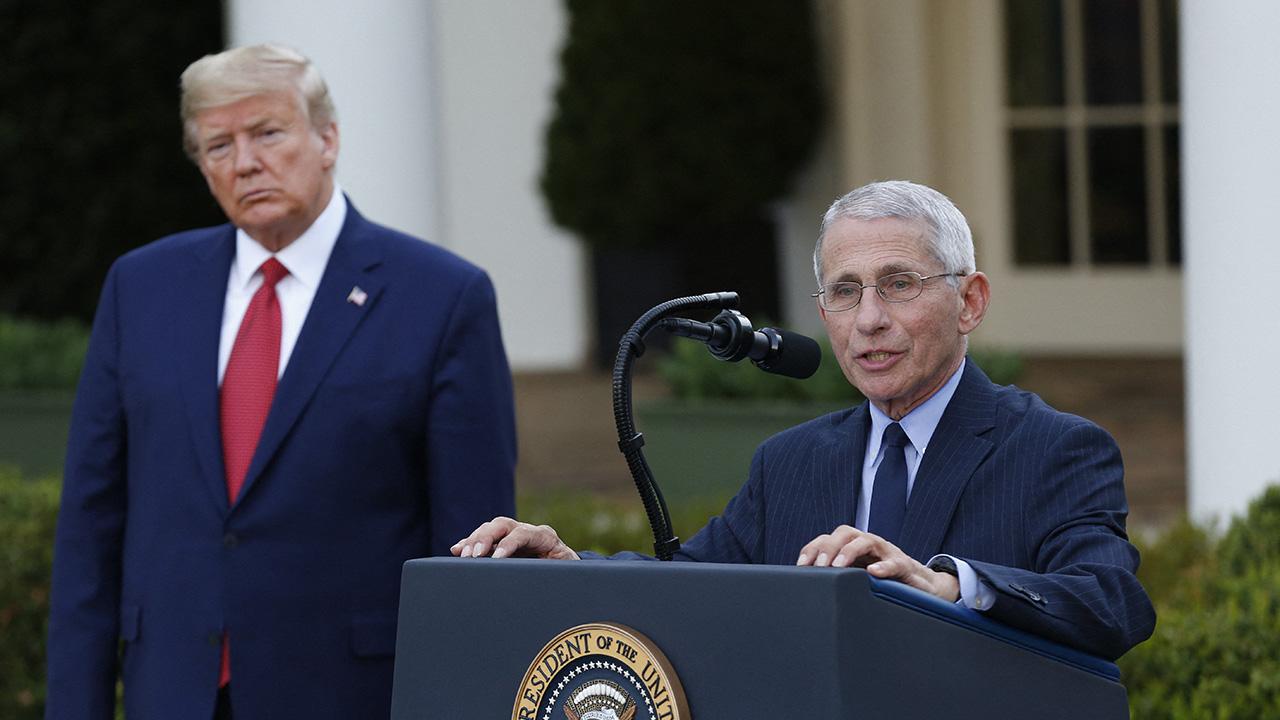
Dr. Anthony Fauci was questioned at a high-profile committee hearing on the origins of COVID-19.
Following the intense Republican-led congressional hearings, over 150 prominent physicians, scientists and public health advocates signed a letter published in U.S. News condemning the political attacks against him.
Defenders point to his historic legacy directing the NIAID under seven different U.S. presidents — both Republican and Democrat — during major crises including HIV/AIDS, Ebola and the 2001 anthrax attack.
In the letter, the signers argue that politicians are "waging a war on individual scientists" through measures like harassment and threats of prosecution, and they call for an end to these actions to protect public health and scientific innovation.