
 Politics
Donald Trump Says Lindsay Clancy Case Is a 'State Situation,' Signals No Federal Intervention After Pardon Plea

Donald Trump spoke about the Lindsay Clancy case and called it a 'state situation.'

Sept. 14 2026, Published 9:05 a.m. ET


President Donald Trump addressed the case involving Lindsay Clancy after her attorney, Kevin Reddington, asked him to consider a pardon.
Per Fox News Digital, on Sunday, September 13, Trump described the situation as "very sad," making clear that it's a "state situation" and not a federal matter, and that he would not consider intervening in it.
"There’s no winner there. There’s no win no matter what you do. Three children are dead," the U.S. President said.

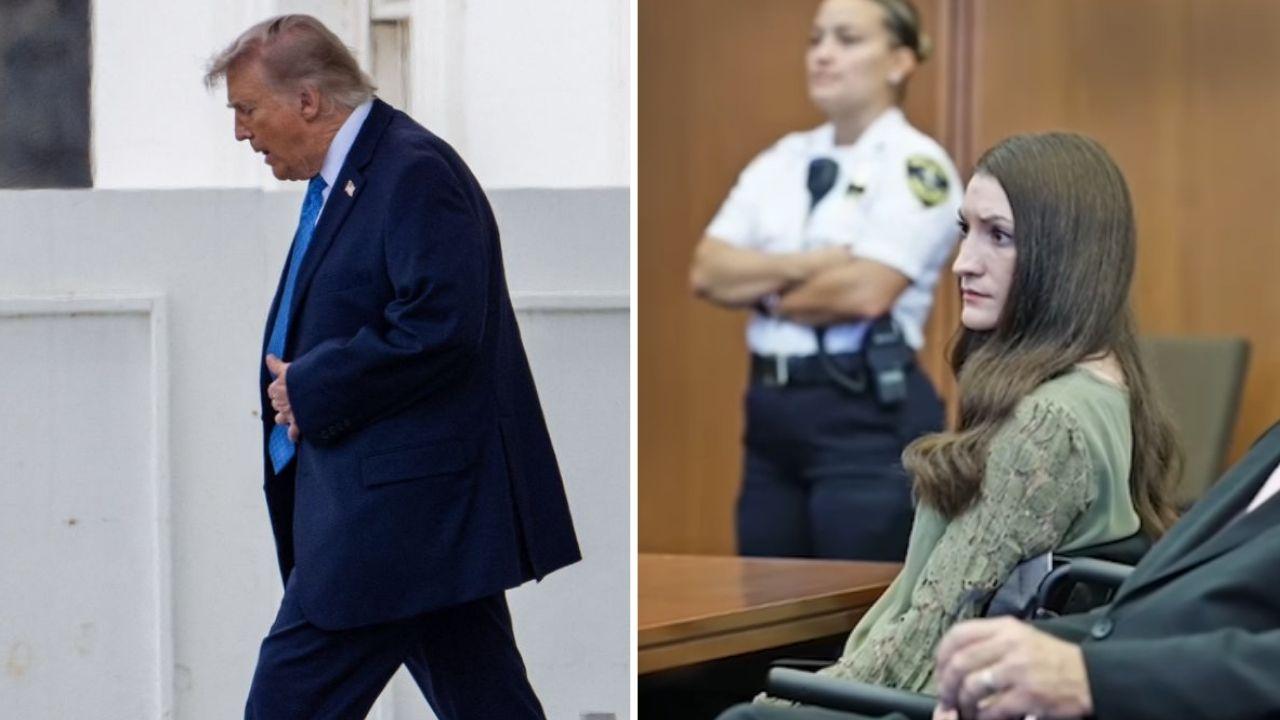
Donald Trump addressed the Lindsay Clancy case after her attorney requested a pardon.
Reddington represents Clancy, a Massachusetts mother accused of killing her three children in 2023.
The attorney publicly appealed to Trump last week, while acknowledging that the president does not have the authority to pardon someone facing state charges.
Reddington also spoke about the case during an interview with WBZ-TV, where he explained why he still hoped Trump could influence the situation.
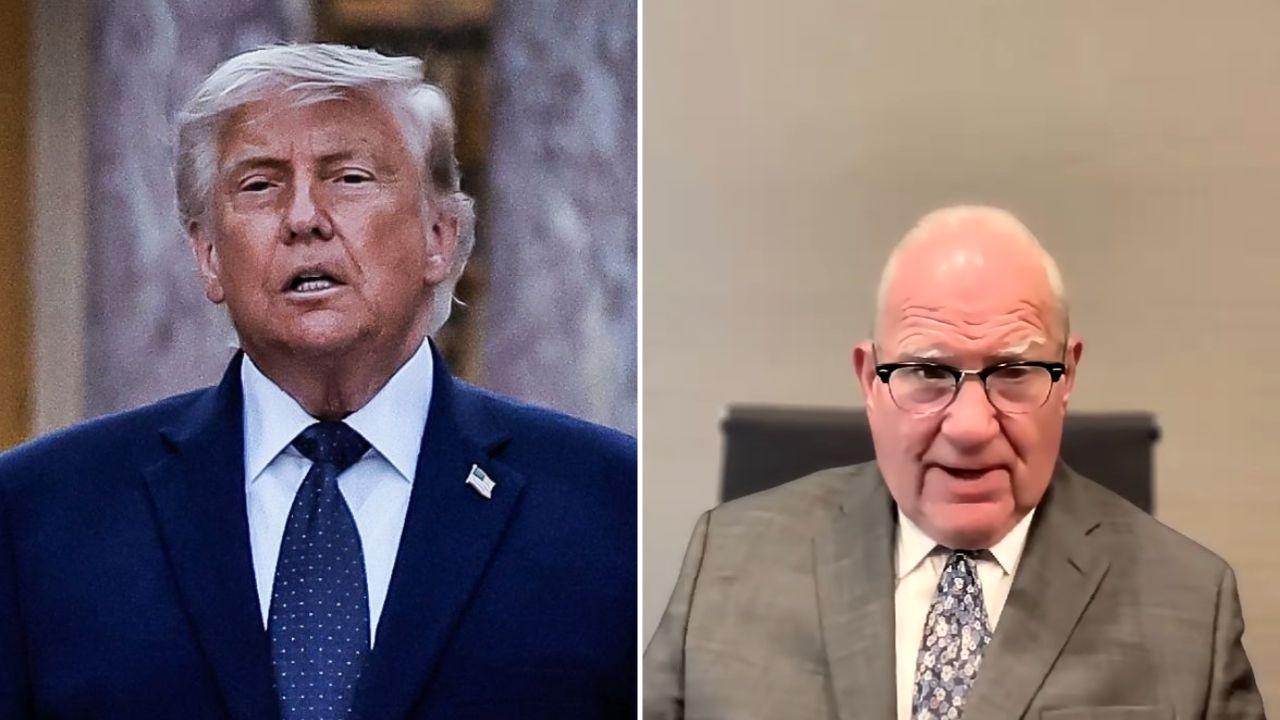
Donald Trump praised Kevin Reddington's legal work as he represented in Lindsay Clancy's case.
Trump also shared his view of Reddington's legal work.
"He’s a good attorney. I’ve heard from other people he’s a very good attorney," Trump said.
The president then pointed back to the legal process.
"I hope they can work it out. That’s something they have to work out … There is no win there," he added.
Donald Trump Previously Addressed Lindsay Clancy's Potential Punishment
- Kevin Reddington Tells President Donald Trump to 'Consider a Pardon' for Lindsay Clancy After Jury Deadlocks in Tragic Child Death Case
- Lindsay Clancy Lawyer Kevin Reddington Slams Donald Trump's Allies' 'Outlandish Comments' Calling for Accused Killer's 'Execution'
- Donald Trump Slams Lindsay Clancy's Actions as 'Horrible' and Says 'There'll Be a Price' After Judge Declares Mistrial
Want OK! each day? Sign up here!
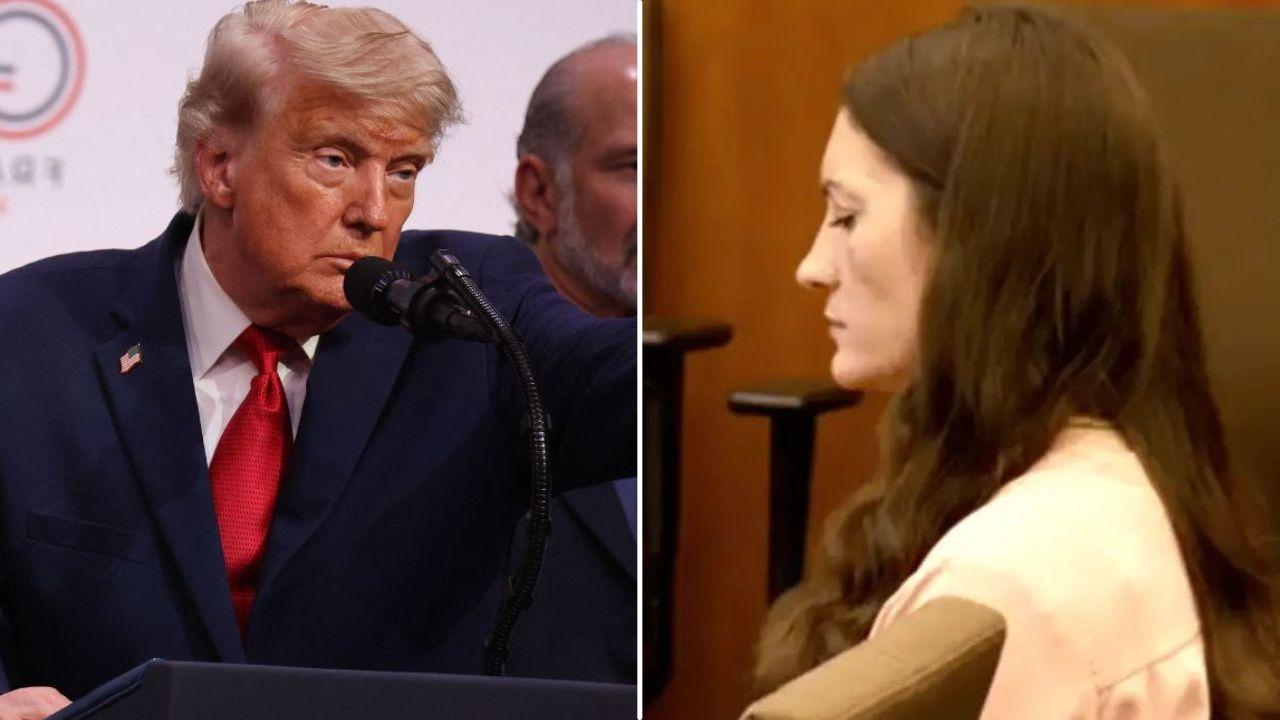
Donald Trump previously said Lindsay Clancy would face consequences for the deaths of her three children.
Per Fox News Digital, Trump previously spoke about what could happen to Clancy and that she would have to "pay the price."
"I assume there's going to be another trial. It's a terrible situation. Look, she did a horrible, horrible thing. Can't be worse. But you'll find out what the price to pay is. There'll be a price. It's going to be [a] mental institution or jail or something," he said.
Clancy, who is a 36-year-old former nurse, faces three counts of first-degree murder in connection with the deaths of her children, 5-year-old Cora, 3-year-old Dawson, and 8-month-old Callan.
After the deaths, Clancy attempted to take her own life and was left paralyzed from her injuries.
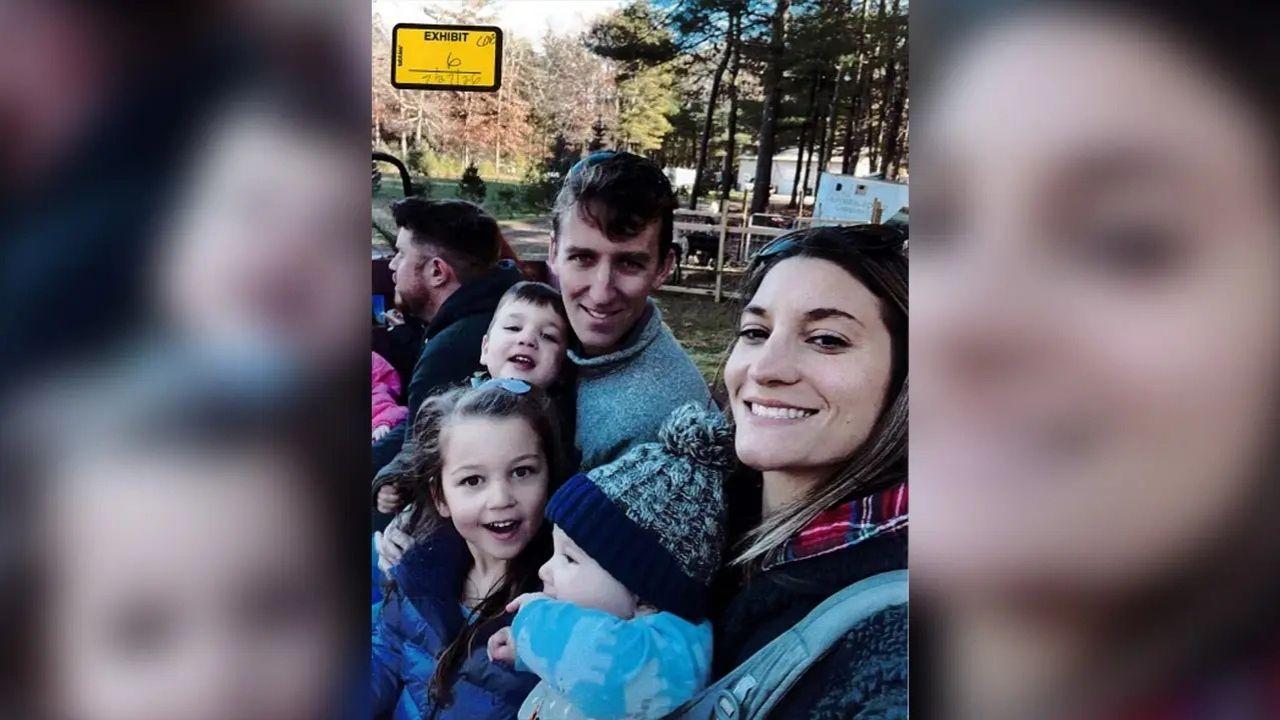
Lindsay Clancy faced charges in the deaths of her three children.
Clancy's defense attorneys have pointed to postpartum psychosis as part of their argument.
The severe but rare psychiatric condition can cause a sudden loss of contact with reality after childbirth.
Reddington also discussed the treatment Clancy received before the alleged psychotic break.
According to ABC News, he said she sought help from a psychiatrist he described as inexperienced.
The psychiatrist reportedly prescribed Clancy medication for postpartum depression in the months before the deaths.
Lindsay Clancy's Trial Ended In A Mistrial
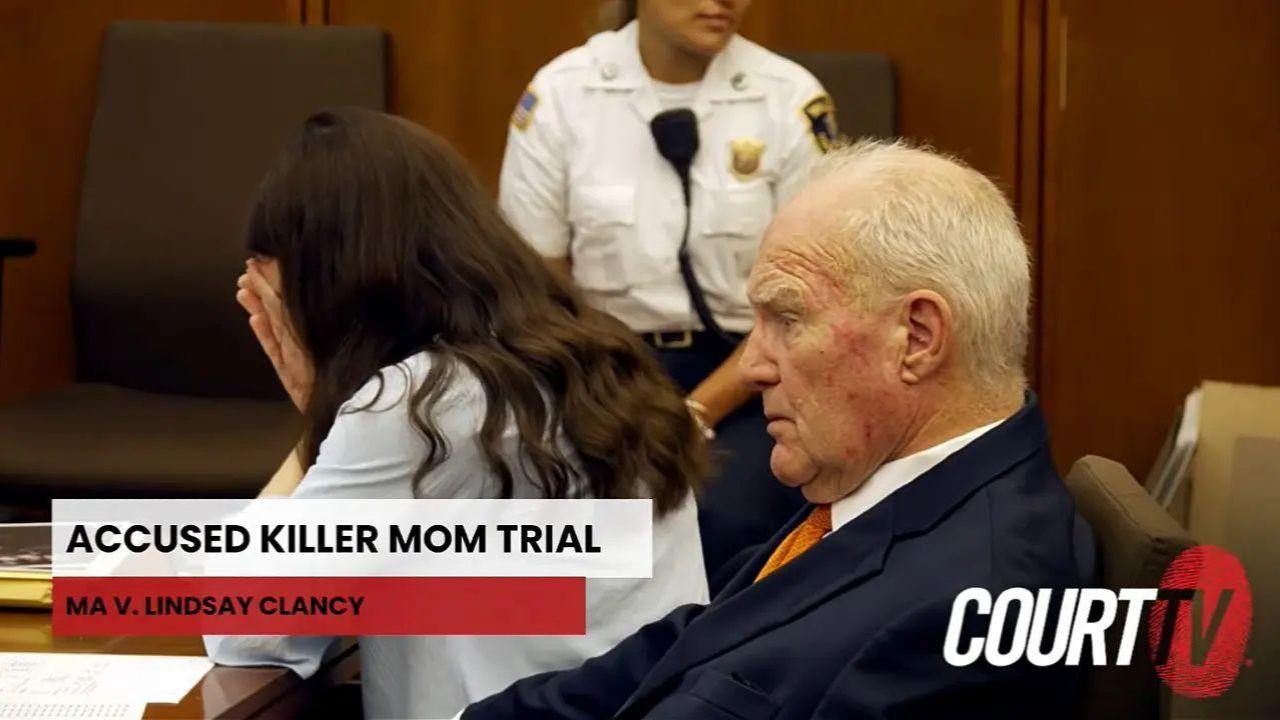
Lindsay Clancy's case went on a mistrial after Judge William Sullivan declared jurors failed to reach a unanimous decision.
After nearly six weeks of testimony and seven days of jury deliberations, Judge William Sullivan declared a mistrial on September 4 after jurors were unable to reach a unanimous decision.
The judge announced the decision after receiving a note from the jury about its inability to reach a verdict.
"Alright. Members of the jury, at this point, I'm going to declare that the jury is deadlocked," he said.
He added, "And I'm gonna declare a mistrial."
Concerns also emerged during the jury's deliberations.
Prosecutor Jennifer Sprague told the court that jurors had initially sent a note saying one member was struggling to follow the judge's instructions on reasonable doubt.