
 NEWS
NEWSDOJ Must Expedite Processing of Epstein and Maxwell Records With Donald Trump, Mar-a-Lago References, Says Judge

Jeffrey Epstein, Ghislaine Maxwell and Donald Trump were referenced in DOJ records requests reviewed by Judge Colleen Kollar-Kotelly.

Oct. 2 2026, Published 4:21 a.m. ET


A federal judge ordered the Justice Department to expedite its processing of records tied to Jeffrey Epstein and Ghislaine Maxwell that referenced President Donald Trump and Mar-a-Lago.
Based on court documents obtained by RadarOnline.com, U.S. District Judge Colleen Kollar-Kotelly issued the ruling on September 30 after the Democracy Defenders Fund sought faster processing for several Freedom of Information Act requests.
The judge found that the requests involved "widespread and exceptional media interest" and possible questions about the government's integrity that affect public confidence.
The decision does not require the DOJ to immediately release the records. Instead, the qualifying requests will receive expedited treatment through the department's FOIA process faster than they normally would.
Donald Trump and Mar-a-Lago References Were Part of the Request


Donald Trump was referenced in a July 2025 FOIA request seeking DOJ records connected to Jeffrey Epstein and Ghislaine Maxwell.
Per the outlet, one of the requests, filed on July 22, 2025, focused on records from DOJ investigations involving Epstein and Maxwell.
The request specifically sought records mentioning variations of Trump's name, including "Donald J. Trump," "Donald Trump," and "President Trump," along with references to Mar-a-Lago and possible code names or pseudonyms connected to the president or the property.
Kollar-Kotelly ruled that the entire July 22 request qualified for expedited processing after reviewing the media coverage cited by the Democracy Defenders Fund.
DOJ Officials Were Also Named in the Requests

Pamela Bondi, Kash Patel and Todd Blanche was among the senior DOJ officials named in the July 28 records requests.
The Democracy Defenders Fund filed additional requests on July 28 seeking communications involving senior DOJ officials and personnel connected to the handling of the Epstein files.
The requests named Attorney General Pamela Bondi, Deputy Attorney General Todd Blanche, former DOJ official Emil Bove, FBI Director Kash Patel and former FBI Deputy Director Dan Bongino.
The requested materials included emails, direct messages, meeting records, memos, presentations and other communications concerning Epstein or Maxwell.
- Judge Orders DOJ to Release More Epstein Files in Fight Over Trump Accuser Records
- Trump DOJ Moves to End Lawsuit Over Jeffrey Epstein Files While Feds Provide Secret Documents to Judge for Review
- Todd Blanche Stares 'Down the Barrel' as Jeffrey Epstein-Case Judge Urged to 'Start Threatening Jail' If DOJ Doesn't Release Files
Want OK! each day? Sign up here!

Mar-a-Lago was among the Jeffrey Epstein and Ghislaine Maxwell case references included in the records request reviewed by the federal court.
Another part of the requests focused on how officials were instructed to handle references to Trump or Mar-a-Lago in the files, including records describing how officials should "flag, categorize, or memorialize" those references.
The court also reviewed reporting cited by the group that claimed Bondi "pressured" 1,000 FBI personnel working around the clock to examine an estimated 100,000 Epstein-related records and identify material that mentioned Trump.
The opinion made clear that it was considering the reporting as part of its review and did not independently establish the allegation as fact.
Judge Narrowed Part of the July 28 Requests
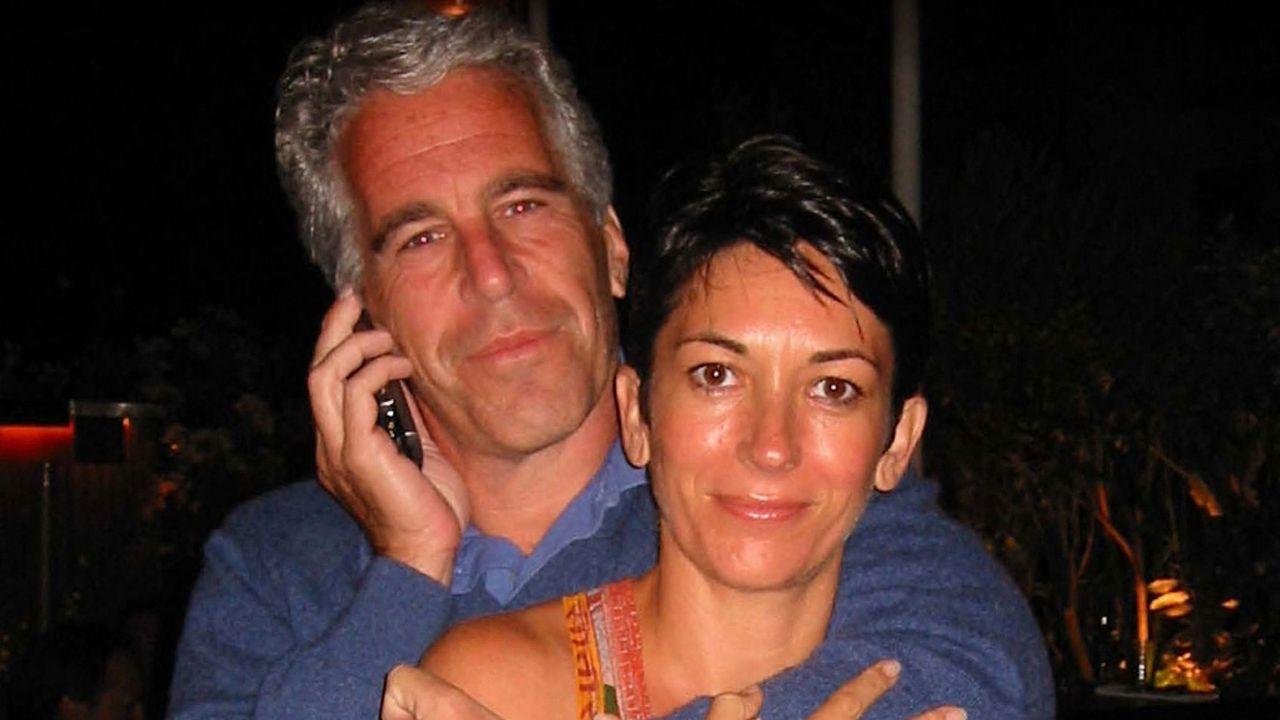
Jeffrey Epstein and Ghislaine Maxwell case judge Colleen Kollar-Kotelly ruled on the expedited-processing requests on September 30, 2026.
The DOJ pushed back on parts of the July 28 requests, arguing they were too broad because they covered virtually "any" DOJ official.
Kollar-Kotelly agreed in part and limited those portions to the senior officials specifically named in the requests. She still found that most of the July 28 requests qualified for expedited processing.
The judge also rejected DDF's argument that it qualified for expedited processing under FOIA's "compelling need" provision, finding that the organization had not shown that its primary function was disseminating information.