
 NEWS
NEWSNancy Guthrie's Disappearance: Forensics Expert Reveals Key Digital Detail That Could Unlock Chilling Case

Forensic experts are combing through digital footprints in the disappearance of Nancy Guthrie.
Feb. 27 2026, Published 6:15 p.m. ET


Forensic experts are combing through digital footprints and DNA evidence in a desperate effort to identify a suspect in the disappearance of Nancy Guthrie, the 84-year-old mother of Today show host Savannah Guthrie.
Digital forensics expert Heather Barnhart — a senior director at Cellebrite and an instructor at the SANS Institute who assisted in the Bryan Kohberger case in Idaho — has emphasized that "the loudest evidence can be the lack of evidence.”
Because Nancy's alleged kidnapper wore a ski mask and gloves, traditional physical leads like direct fingerprints and facial recognition are limited, Heather told Fox News Digital.
Suspect in Nancy Guthrie's Disappearance May Have Turned Off Their Phone

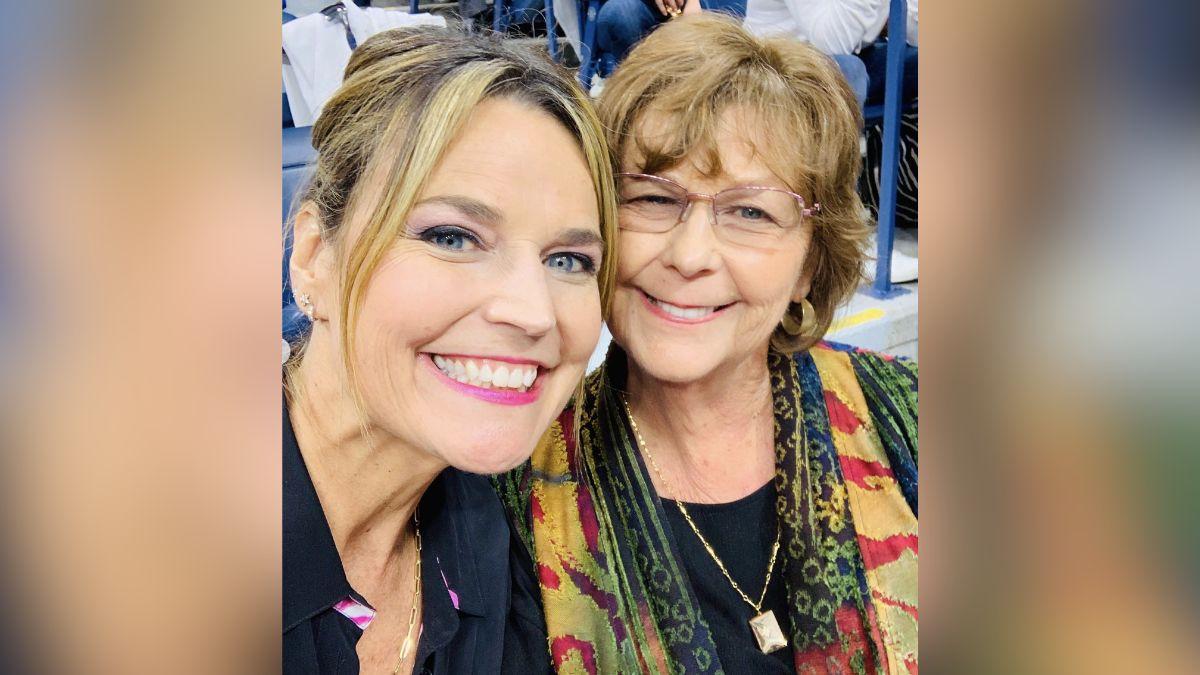
Nancy Guthrie's abductor may have tried to digitally disappear as they kidnapped her.
Experts in the case have said the suspect likely turned off their phone or used airplane mode during the crime.
These "deliberate" gaps in data can create a timeline or "tunnel" for investigators to focus on, Heather explained.
Even if a phone is not connected to a network, it may ping or touch nearby Wi-Fi routers (like Nancy's home network), leaving a record of the device's proximity.
Bryan Kohberger Created 'Bookends' Around His Crime by Turning Off His Device
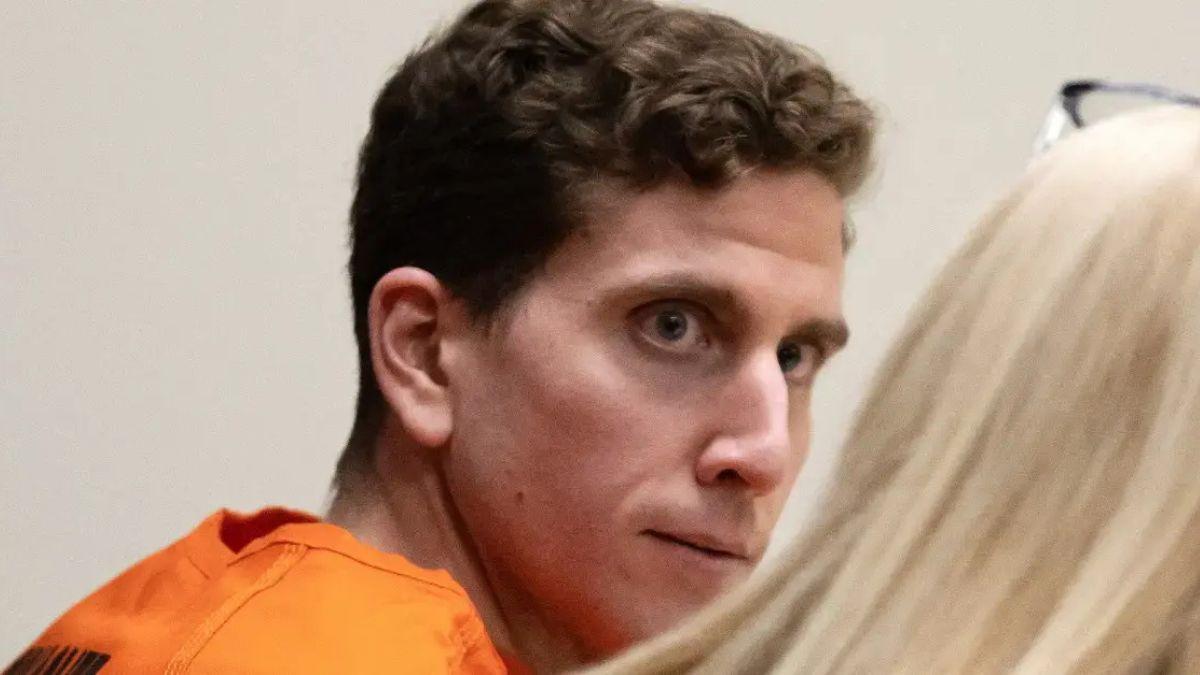
Convicted Idaho killer Bryan Kohberger attempted to erase his digital footprint during his crimes.
"If the person prepped, they wouldn't ping that tower, but if they went ahead of time and scoped it out or planned, they would have," Heather said. "And then you can also look for entry and exit. And then proximity pings, because eventually you're going to turn your phone back on."
The forensics expert cited her work on the Kohberger case as an example.
"Kohberger literally created bookends around the crime by turning off his device," she said. "So, in addition to all the clearing and other things that he prepped for to erase his digital footprint, the fact that right before the murder, his phone was turned off, and then within like 40 minutes or so after it was turned back on, kind of gave us that tunnel to look down here."
Want OK! each day? Sign up here!
Investigators Are Using a 'Signal Sniffer' to Detect Nancy Guthrie's Pacemaker
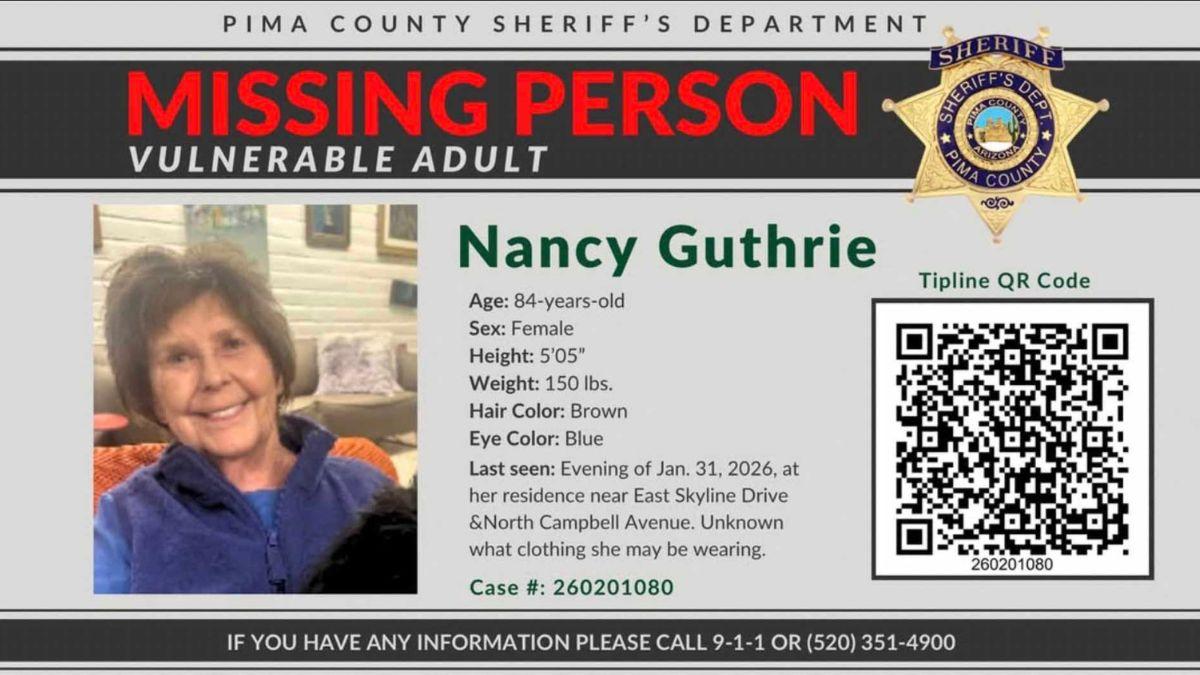
Nancy Guthrie was last seen on January 31.
Investigators are using a "signal sniffer" to detect faint transmissions from Nancy’s pacemaker. The device reportedly disconnected from its corresponding phone app at approximately 2:30 a.m. on February 1, matching the suspected time of abduction.
Heather emphasized that "pattern of life" analysis — identifying deviations from normal digital behavior — is critical to identifying the suspect's movements.
Forensics specialist Joseph Scott Morgan and others have also detailed the role of DNA found at the scene.
While some samples are "mixed,” containing genetic material from multiple people, experts are using advanced genetic genealogy to isolate the suspect's profile.
A glove found roughly two miles from Guthrie’s home is also being treated as a major piece of evidence.
The Guthrie Family Is Offering a $1 Million Reward for Nancy's Return
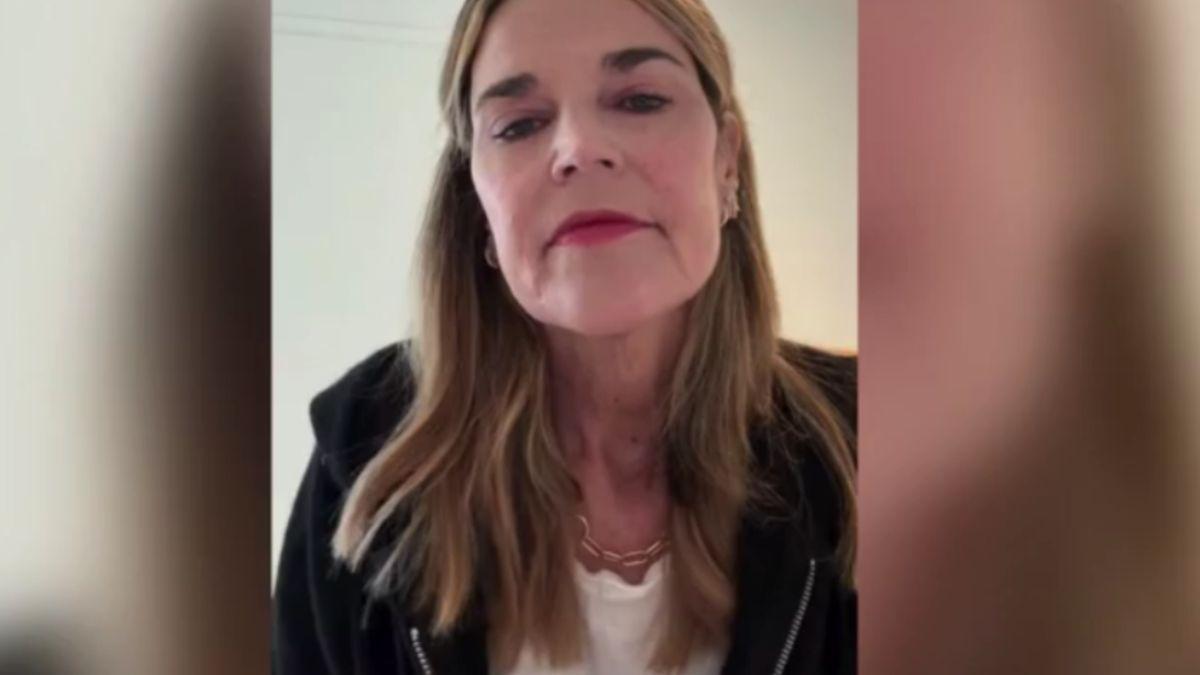
Authorities began the process of returning Nancy Guthrie's home to the family as the crime scene has shifted.
Forensic pathologist Dr. Michael Baden analyzed blood droplets on the porch, concluding they belonged to Nancy and suggested she may have been bleeding from the hands or face during the struggle.
Analyst Pat Brosnan reviewed neighbor video and identified a potential suspect vehicle — a Kia Soul — based on its slanted roof and vertical brake lights.
Nancy was reported missing on February 1 after being taken from her home in Tucson, Ariz., against her will.
Despite nearly 40,000 tips and a $1 million reward offered by the Guthrie family, her whereabouts still remain unknown.
On February 26, authorities began the process of returning her home to the family as the active crime scene search shifted.