
 EXCLUSIVE
Read the 3-Word Rant Queen Elizabeth Would Use to Tackle Anyone Who Trampled on Royal Rules

Queen Elizabeth went off when royal protocol was breached.
Feb. 22 2026, Published 5:00 a.m. ET


Queen Elizabeth, who reigned for 70 years until her death in 2022 at age 96, was famed for composure – yet OK! can reveal when royal protocol was breached, she had a brisk, three-word rebuke that cut through the noise.
The late monarch, mother of King Charles III, 77, built a reputation for restraint and duty. Publicly, she embodied steadiness. Privately, aides say she possessed a dry wit and a firm sense of boundaries.

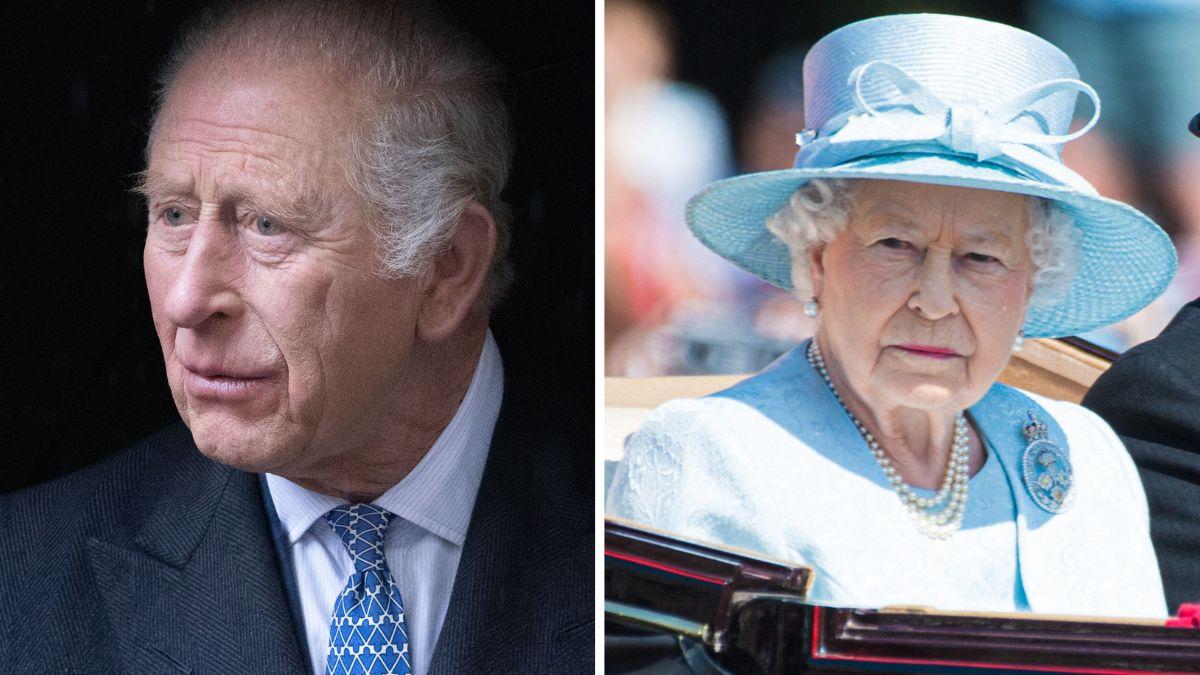
Queen Elizabeth had rare moments of irritation.
We can reveal there were also rare flashes of public irritation.
In the documentary The Queen: A Remarkable Life, directed by Alan Scales, the monarch is seen watching Prince Philip, who died in 2021 at age 99, take part in carriage driving.
As photographers crowded too close and stepped into her path, she gestured firmly and called out the three-word rebuke: "Do you mind?"
A former royal staffer told us: "People sometimes assume there was anger behind moments like that, but it really wasn't about losing her temper. For Elizabeth, it was about maintaining structure and respect in situations that could easily tip into chaos. She had an acute awareness of setting and symbolism, and when someone overstepped, she felt it was important to correct it immediately. She didn't believe in drawn-out reprimands or public scolding. A short, pointed remark was far more effective. 'Do you mind?' might sound mild on paper, but delivered in that context it carried real authority, and, by her standards, could be considered her version of a 'rant.' It was also precise, economical and unmistakable. That was very much her style. She valued discipline and decorum, and when those standards slipped, she would restore them with a few carefully chosen words. It wasn't emotional – it was measured. That control was part of what defined her."
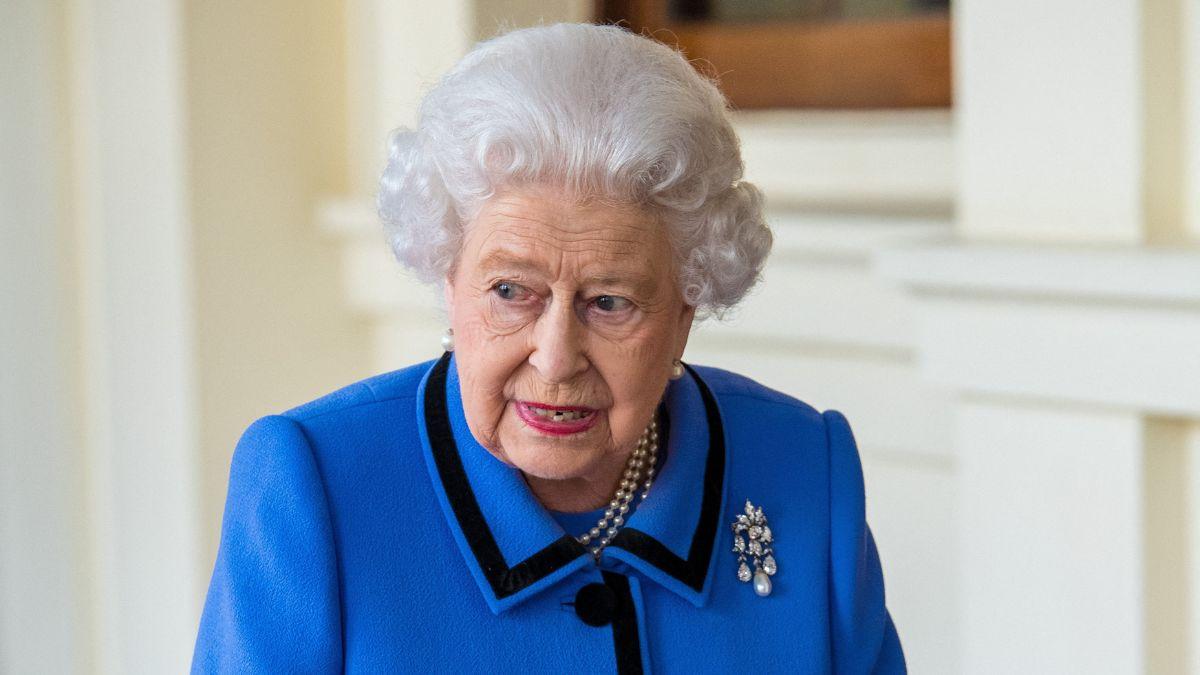
Queen Elizabeth snapped when someone walked in front of her.
Although there is no formal rule forbidding walking in front of the sovereign, tradition has long dictated the public and photographers remain slightly behind or to the side of the monarch.
The royal family's official website has stated "there are no obligatory codes of behavior – just courtesy." For Elizabeth, insiders say, courtesy was non-negotiable.
Another source familiar with royal protocol said: "The Queen was deeply conscious that nothing around her was incidental. Every step, every positioning of people in a room, every photograph taken had symbolic weight. So when someone physically stepped into her path or ignored established formations, it wasn't simply inconvenient – it cut across centuries of carefully maintained order."
In her view, those small breaches chipped away at the structure the monarchy depends on. A photographer moving ahead of her wasn't just blocking a shot, it subtly inverted the hierarchy the event was built upon.
- Queen Elizabeth Wore Her Coronation Crown During King Charles' Bath Time
- A 'Difficult' Death: Princess Anne Says Queen Elizabeth II Feared 'Dying at Balmoral' as It Could Become Inconvenient for People
- 'Bound In Shackles': Royal Aide Confesses Queen Elizabeth Put A Time Limit On King Charles' Reign Months Before Her Death
Want OK! each day? Sign up here!
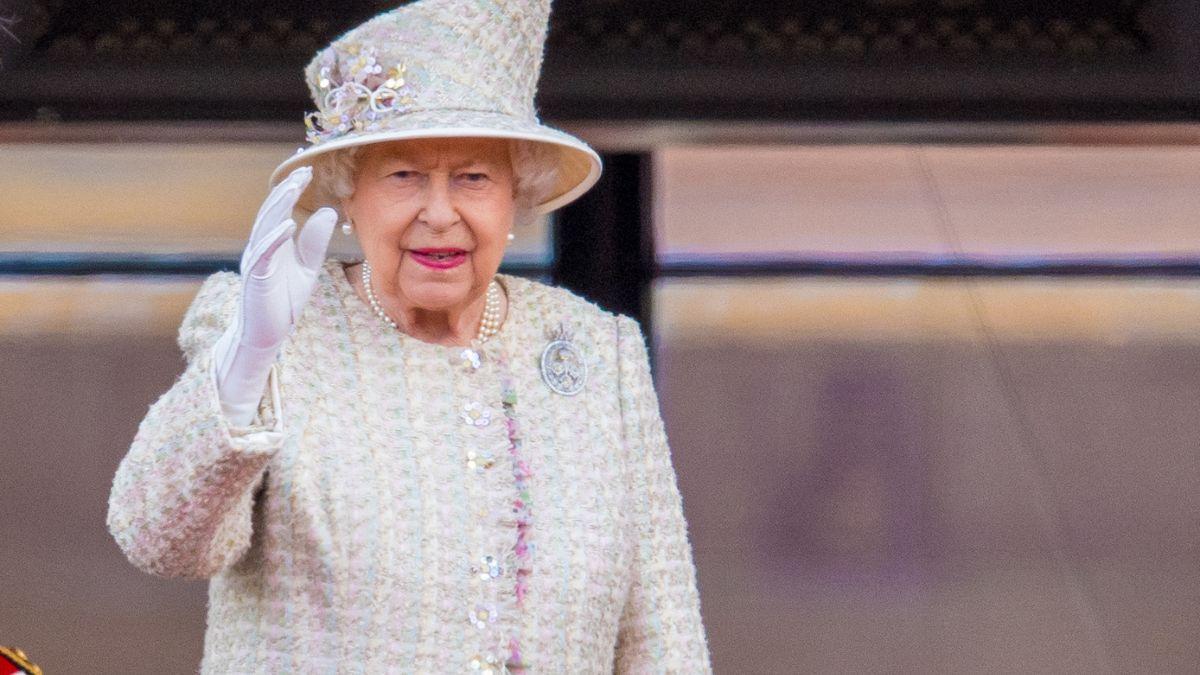
Elizabeth was also seen asserting herself during a high-profile sitting with photographer Annie Leibovitz.
"That's why her correction was so concise. She didn't need to deliver a lecture on etiquette. Three words, spoken calmly but firmly, were enough to reassert the balance. The brevity was intentional. It signaled authority without theatrics, and it restored the moment without escalating it," they added.
Elizabeth was also seen asserting herself during a high-profile sitting with photographer Annie Leibovitz. The American, known for iconic portraits including the final image of John Lennon and Yoko Ono before Lennon's death, was filming a documentary titled A Year With The Queen when she suggested the monarch might remove her crown for a shot.
Elizabeth replied: "Less dressy? What do you think this is?"
She was later heard saying: "I'm not changing anything. I've had enough dressing like this, thank you very much."
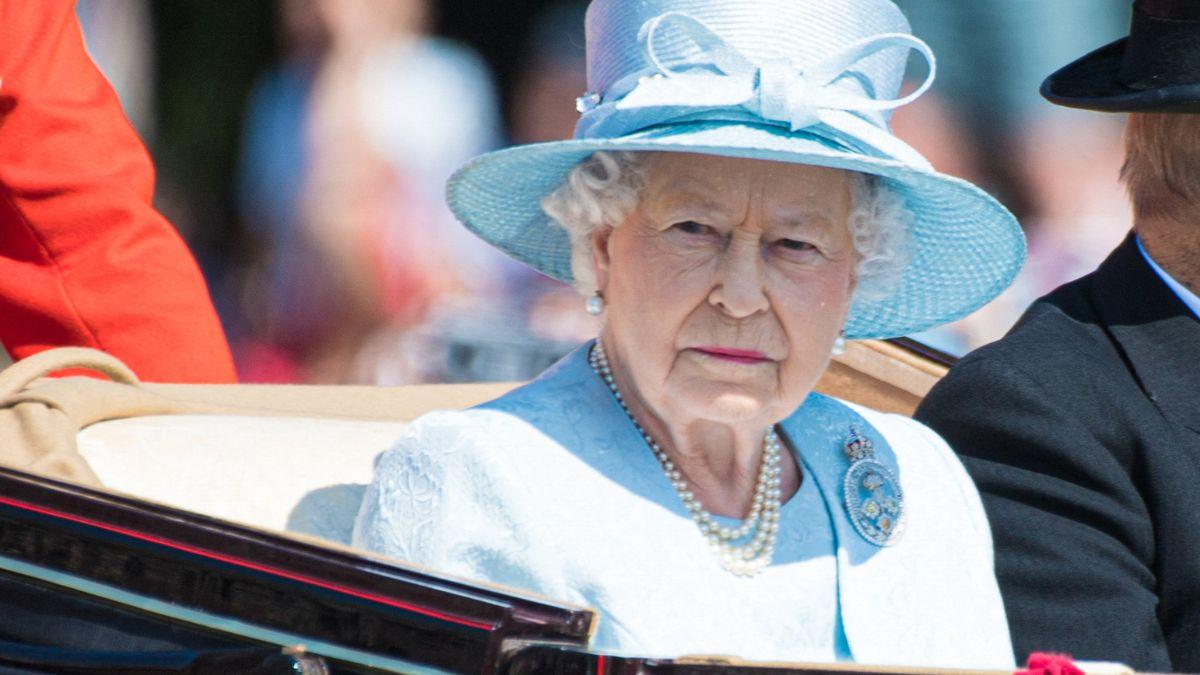
Queen Elizabeth died in 2022.
A source said: "She was unfailingly courteous, but there was a steeliness beneath that courtesy. Being agreeable didn't mean being compliant. If something felt inappropriate or diminished the role she represented, she would quietly draw a line. To Elizabeth, the crown and regalia were never costume pieces to be adjusted for aesthetic preference. They symbolized continuity, duty and the weight of the institution itself. Suggesting she remove them for the sake of a softer image misunderstood what they stood for."