
 Politics
Donald Trump Brushes Off Questions About Money He's Made While in Office: 'I'm a Businessperson'

Donald Trump attempted to defend raking in billions off the presidency as critics blasted the profiteering as illegal and corrupt.
July 3 2026, Published 1:12 p.m. ET


President Donald Trump dismissed criticisms of the massive income reported in his latest financial disclosures, stating that outside firms manage his fortune and that his returns are simply the result of a strong stock market.
Responding to questions about his highly lucrative year, Trump emphasized his background as a skilled businessman, arguing that he amasses wealth naturally because he has a large amount of cash invested across major institutions.
“I’ve always made money. I’m a business person. I’m a really good businessperson. I made money. I made a tremendous amount of money,” the president said.
The intense scrutiny follows a mandatory 927-page financial disclosure report submitted to the U.S. Office of Government Ethics.

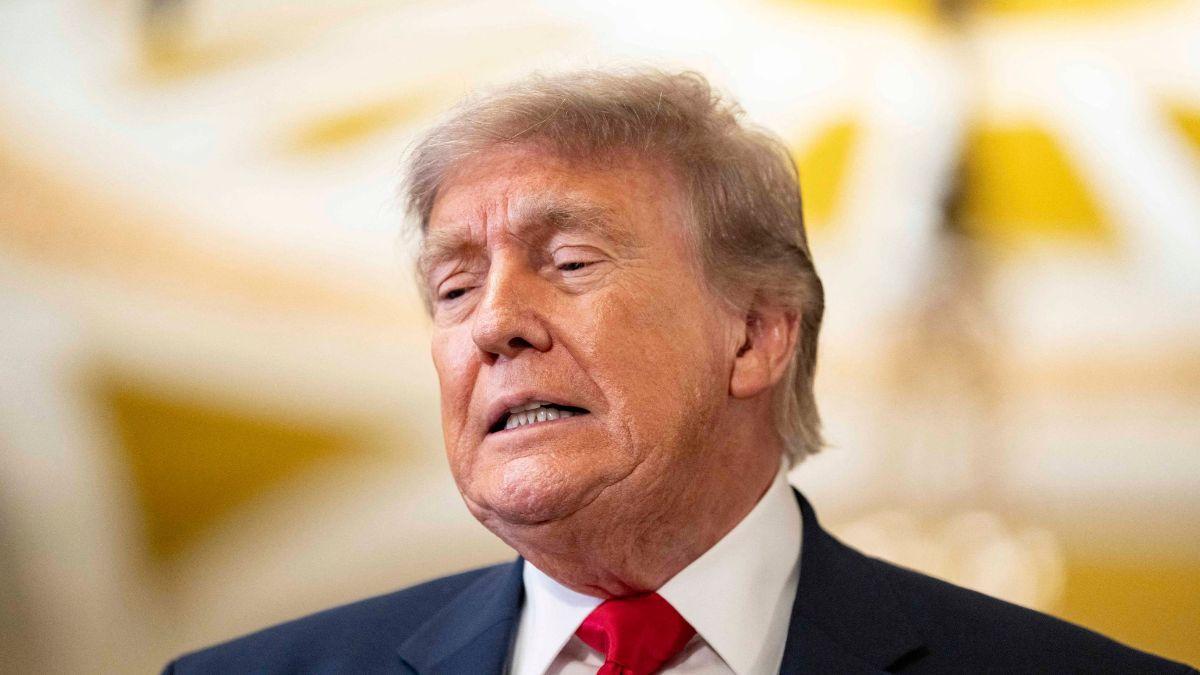
The filings revealed Trump generated a staggering amount.
The filings revealed Trump generated a staggering amount — over $1.2 billion in cryptocurrency-related revenue.
This included $635 million in royalties from a Trump meme coin and over $500 million from World Liberty Financial, a digital asset venture backed by his family.
Trump claimed he was completely unaware of the massive payouts, stating, "I didn't know about it."
Millions more flowed from overseas name-licensing deals, real estate, book royalties and branded merchandise.
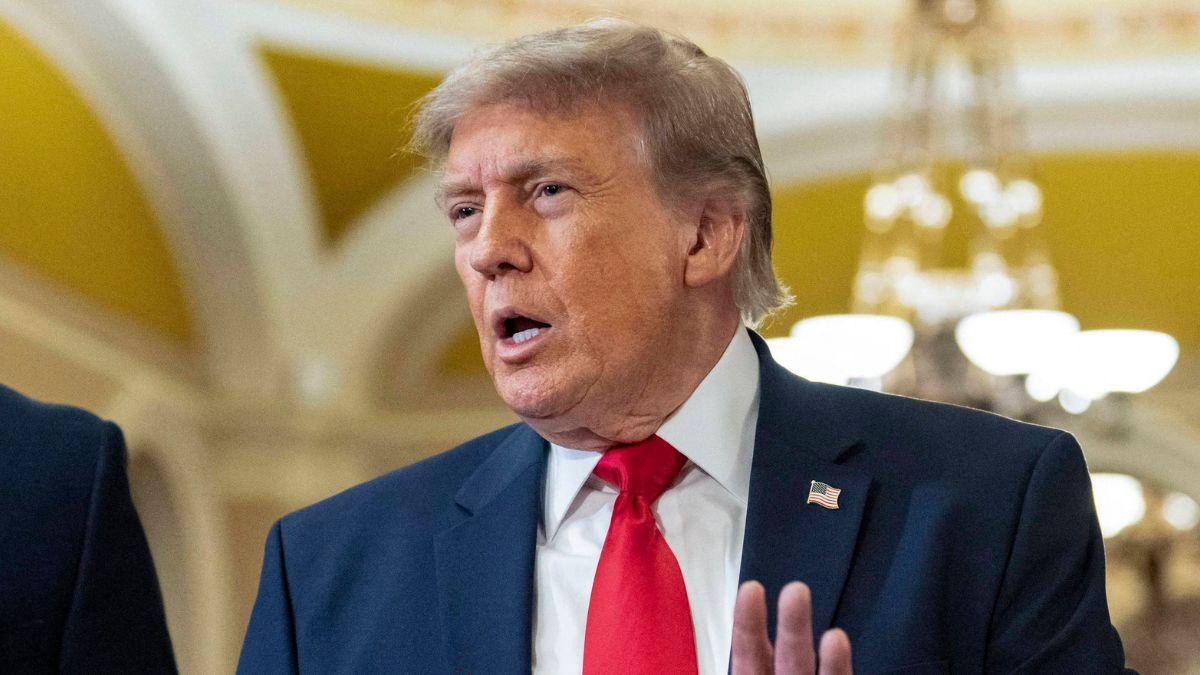
He even questioned reporters about the performance of their own 401(k) accounts.
Speaking to reporters at Joint Base Andrews, the octogenarian president defended his soaring personal wealth, dubiously maintaining that he does not direct his investments, saying his assets are held in what he described as "semi-blind" or "closed accounts" managed by large institutions.
When pressed on whether he is actively profiting from his political position, he remarked, "I'm profiting because the stock market's going up. Everybody's profiting." He even questioned reporters about the performance of their own 401(k) accounts.
He reiterated that his sons handle the family's core business transactions at the Trump Organization, and he does not consult with them about those operations.
As he rakes in billions profiting off the presidency, the ethically challenged POTUS reminded the public that he does not accept the standard $400,000 annual presidential salary — a paltry amount compared to what he has raked in — hilariously arguing that serving in the Oval Office has a much higher purpose than personal enrichment.
- Treasury Secretary Defends Donald Trump’s Crypto Profits, Dismissing Conflict of Interest Concerns
- CNN's Dana Bash Accuses Donald Trump of 'Profiting Off the Presidency' After Launching New Venture: 'How Is This Not Insider Trading?'
- President Donald Trump Slams 'NYT' Report On His Tax Returns: 'Fake News'
Want OK! each day? Sign up here!
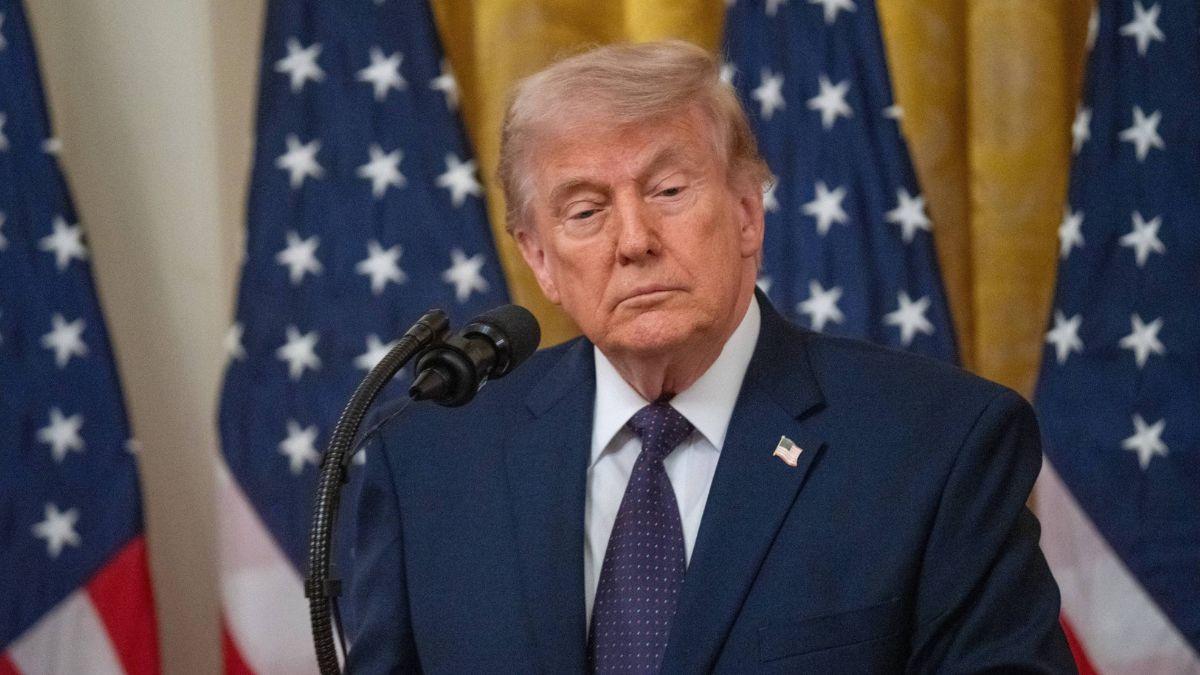
Donald Trump spoke out about his financial situation.
The sheer volume of wealth accumulated during his tenure has sparked a fierce backlash from political opponents and ethics experts.
Watchdog groups have labeled the arrangement a severe conflict of interest, noting that several lucrative crypto ventures were launched or heavily promoted just before his current term.
Despite the outcry, White House officials have firmly denied any exploitation of the presidency, echoing Trump’s sentiment that the numbers reflect his lifelong career as an incredibly successful businessman.
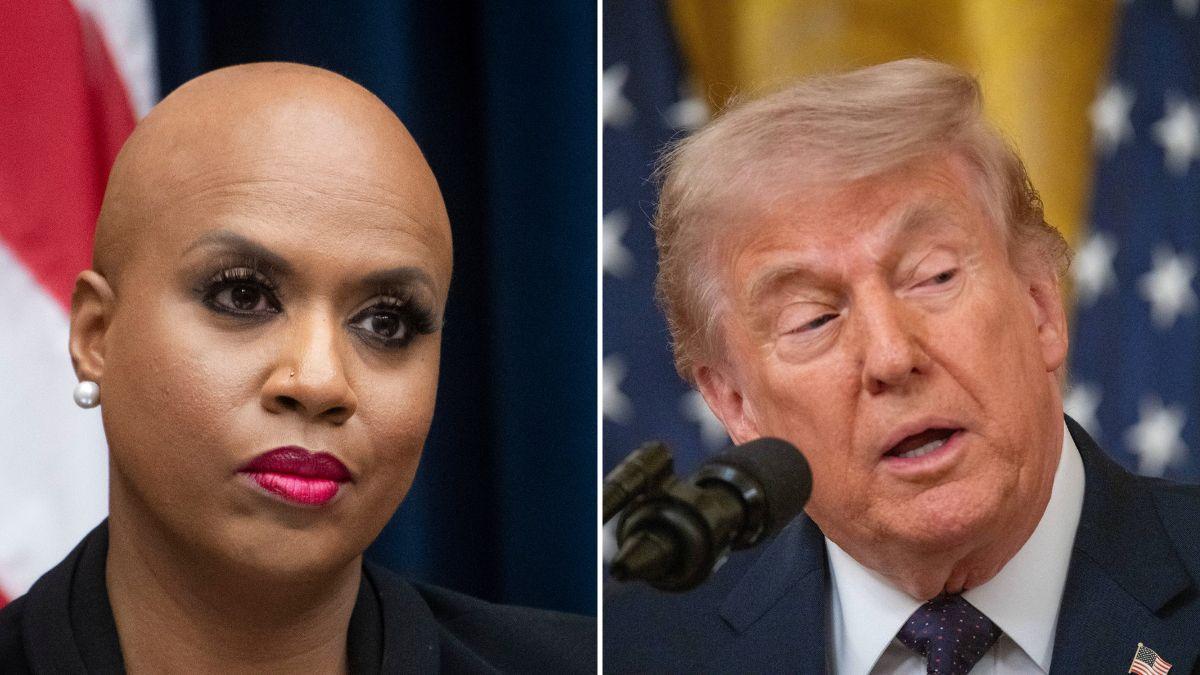
The president said he's a 'businessperson.'
Rep. Ayanna Pressley (D-Mass.) criticized the profiteering president's massive windfall as a direct and unlawful abuse of power. Following the release of Trump's latest financial disclosures, which revealed billions in revenue, Pressley issued a statement condemning self-enrichment.
“The current occupant of the White House is putting personal profit above the people, using his power to illegally line the pockets of his family and billionaire friends while hanging everyday families out to dry...” she said.
Former White House Ethics Counsel Norman Eisen summarized the situation by stating that the Republican commander-in-thief has "taken advantage of the presidency to make billions."
While critics point to the U.S. Constitution's Emoluments Clause — which restricts presidents from accepting external government-funded wealth — legal experts note that many statutory conflict-of-interest laws were written specifically not to apply to the president, making prosecution highly complex.