
 EXCLUSIVE
Royal Expert Reveals Why The Firm Must Be Totally Transparent About Its Massive Wealth and Power in the Wake of Ex-Prince Andrew's Scandals

The royal family is being urged to be transparent about their wealth amid ex-Prince Andrew's scandals, an expert said.
Jan. 11 2026, Published 10:00 a.m. ET


Ex-Prince Andrew has become the catalyst for a wider reckoning over the British monarchy's wealth and influence, with royal experts warning OK! the survival of the institution now depends on far greater transparency in the wake of his scandals.
Andrew, 65, has been stripped of his military roles and royal titles following years of controversy linked to his association with Jeffrey Epstein and the civil settlement he reached with Virginia Giuffre, who accused him of sexual abuse and died by suicide earlier this year at age 41. He has always denied wrongdoing.

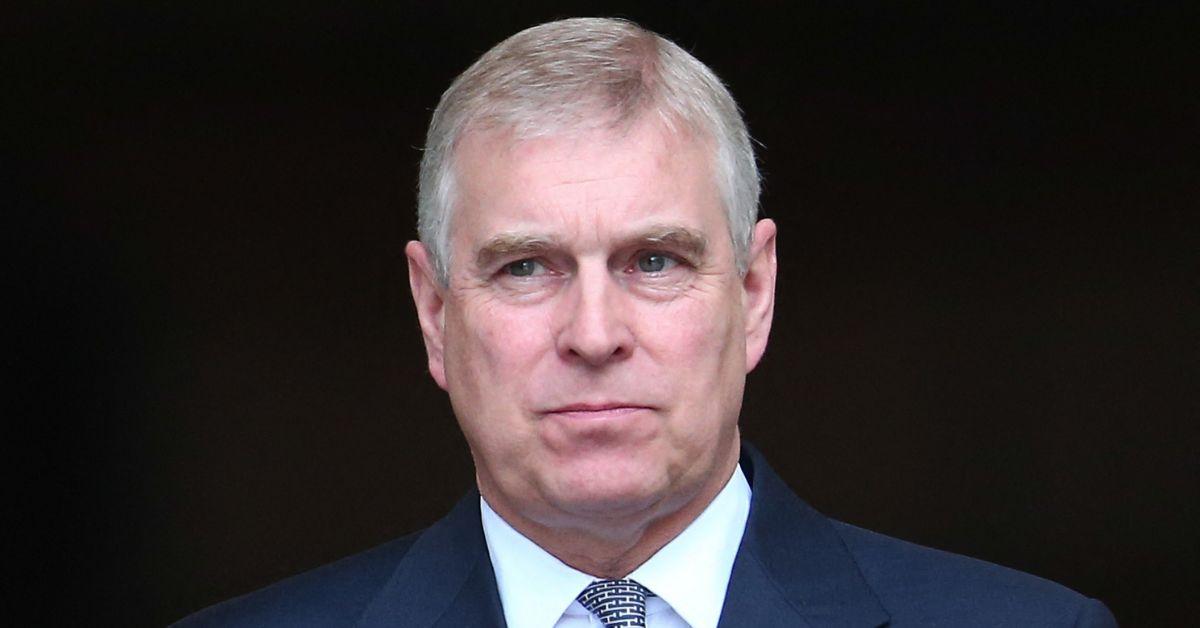
Prince Charles removed ex-Prince Andrew's royal titles over his alleged links to Jeffrey Epstein.
But analysts now say the focus on Andrew's personal conduct has exposed a deeper problem – the mystery shrouding royal finances and the reach of The Firm's true power.
A royal historian told us the Andrew saga has forced uncomfortable questions into the open. "Andrew's downfall now represents something much bigger than one man's misconduct," the source said. "It has highlighted just how opaque the monarchy's finances, privileges and protective structures are to the public."
The renewed scrutiny comes amid fresh attention on Andrew's living arrangements at Royal Lodge, the 31-room mansion in Windsor Great Park where he has lived for more than two decades – and which King Charles, 77, has ordered him to leave by February.
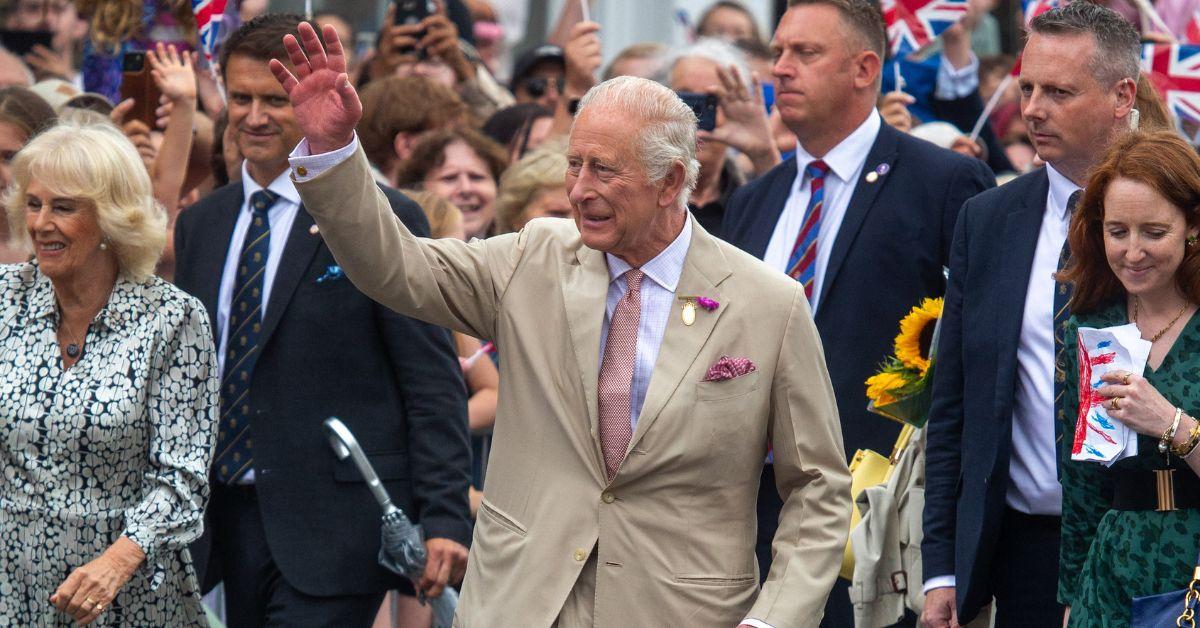
Ex-Prince Andrew's downfall highlights the monarch's lack of transparency, a royal expert said.
Questions over whether he pays rent and how he funds the upkeep and security of the property have sparked political interest beyond the palace.
According to one British constitutional expert, the lack of clarity is damaging. "The fact that even high-ranking politicians struggle to explain how a disgraced royal pays his way erodes confidence," the expert said. "What might once have been accepted as discretion now feels increasingly incompatible with modern public standards."
The issue extends well beyond Windsor. Under arrangements introduced in the 1990s, the sovereign is exempt from inheritance tax on assets passed down the line of succession, while royal wills are sealed by law. As a result, the scale and distribution of private royal wealth remain largely hidden from view.
Another source said this has created a system reliant on discretion rather than accountability.
- Why Commoner Ex-Prince Andrew's Life in Exile Is About to Leave the World Furious
- Why Prince William's 'Incandescent Rage' Over Uncle Andrew's Epstein Scandal Could Kill Princesses Beatrice and Eugenie's Royal Status
- How Queen Elizabeth's Death Was 'Final Nail in Coffin' for Ex-Prince Andrew — 'When She Died, So Did His Protection'
Want OK! each day? Sign up here!
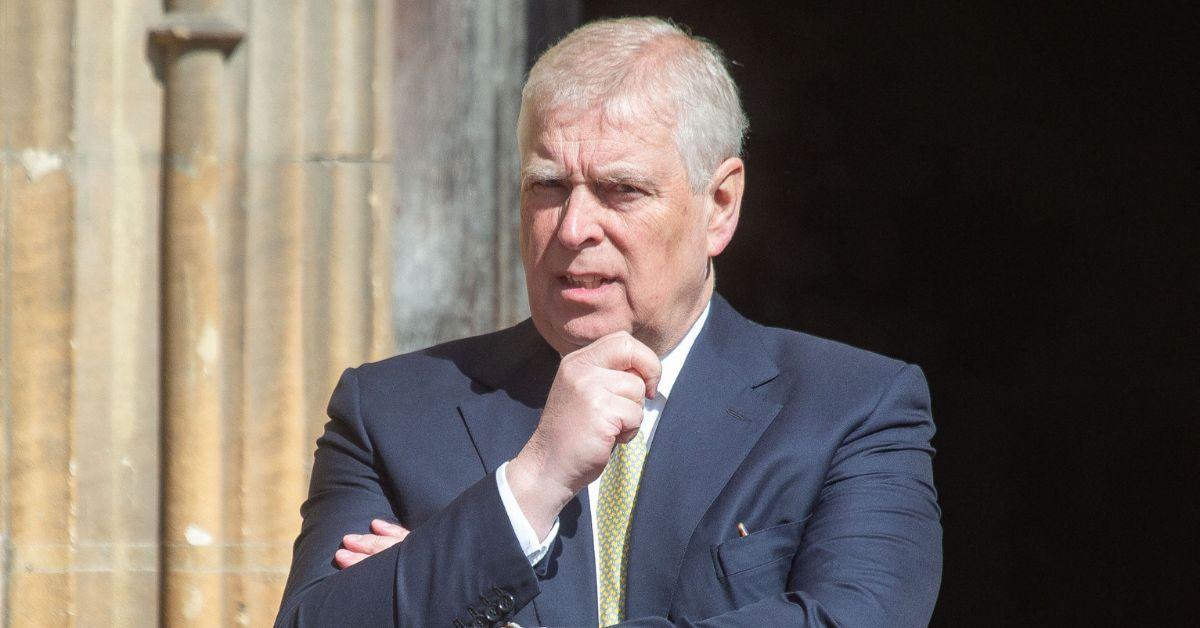
People question how ex-Prince Andrew is paying rent, a source said.
"The system relies heavily on the expectation that individual royals will act appropriately," the insider said. "When that expectation collapses, as it has in Andrew's case, there is little in the way of formal oversight or restraint."
King Charles is widely regarded as the wealthiest British monarch in modern history, largely through the Duchy of Lancaster.
His eldest son Prince William, 43, controls the Duchy of Cornwall. Both entities operate as vast property and commercial portfolios, exempt from certain taxes and largely shielded from public scrutiny.
A senior royal commentator said the problem over transparency about the huge amounts of cash rolling in to the royals is structural.
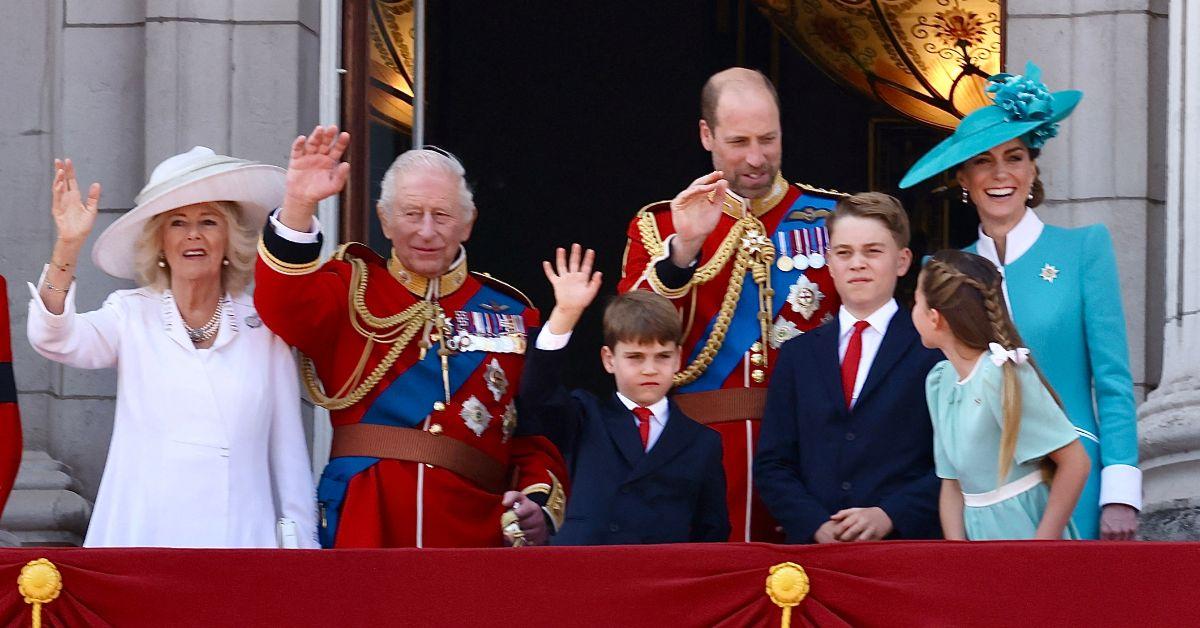
Prince William controls the Duchy of Cornwall.
"We are not talking about small or symbolic amounts," they said. "These are vast property and commercial holdings with real political reach, yet they operate with remarkably little scrutiny."
Past governments have also come under criticism for reinforcing that secrecy. Funding reforms under former British Prime Minister David Cameron replaced the civil list with the sovereign grant and restricted freedom of information access to royal correspondence.
Critics argue those changes reduced the ability of journalists and parliamentarians to scrutinize royal influence.
A source said: "Government after government has chosen accommodation over confrontation. "That deference has fostered an environment in which serious scrutiny of royal finances and influence is quietly discouraged."
The issue has implications for the future reign of Prince William, who has spoken publicly about modernizing the monarchy.
But experts caution cosmetic changes under the new king will not be enough. "Adjusting appearances does not amount to structural change," one palace source said. "Genuine reform would require unprecedented transparency around royal finances and the extent of their influence."
Polling suggests public support for the monarchy is no longer guaranteed, particularly among younger voters.
Analysts add that without reform, further scandals in the institution are inevitable. "Andrew represents the most severe case to date," one scholar said. "But without structural reform, similar crises are almost certain to recur."For now, the monarchy faces a clear choice.
As one royal expert put it: "Openness has become a necessity rather than a choice for the royals. Without it, the institution's long-term survival is truly at risk."