
 TRUE CRIME NEWS
Doctor Who Performed Jeffrey Epstein's Autopsy Reveals Why She Was Hesitant to Rule His Death a Suicide After 'Rare' Findings

Jeffrey Epstein's death was ruled a suicide after he was found unconscious in his Manhattan jail cell on August 10, 2019.

March 10 2026, Published 3:15 p.m. ET


Nearly seven years after Jeffrey Epstein was found dead in a Manhattan jail cell while awaiting trial on trafficking charges, the mystery surrounding his death continues to fuel debates and conspiracy theories — and now, a key voice long absent from the conversation is finally being heard.
The Justice Department's release of files related to the late child predator's trafficking scheme and criminal network unearthed a chilling interview with Kristen Roman — the doctor who performed Epstein's autopsy one day after the disgraced financier was declared deceased on August 10, 2019.
As the New York City medical examiner completed Epstein's autopsy, it was observed by Michael Baden — a forensic pathologist hired by Epstein's estate and brother, Mark.

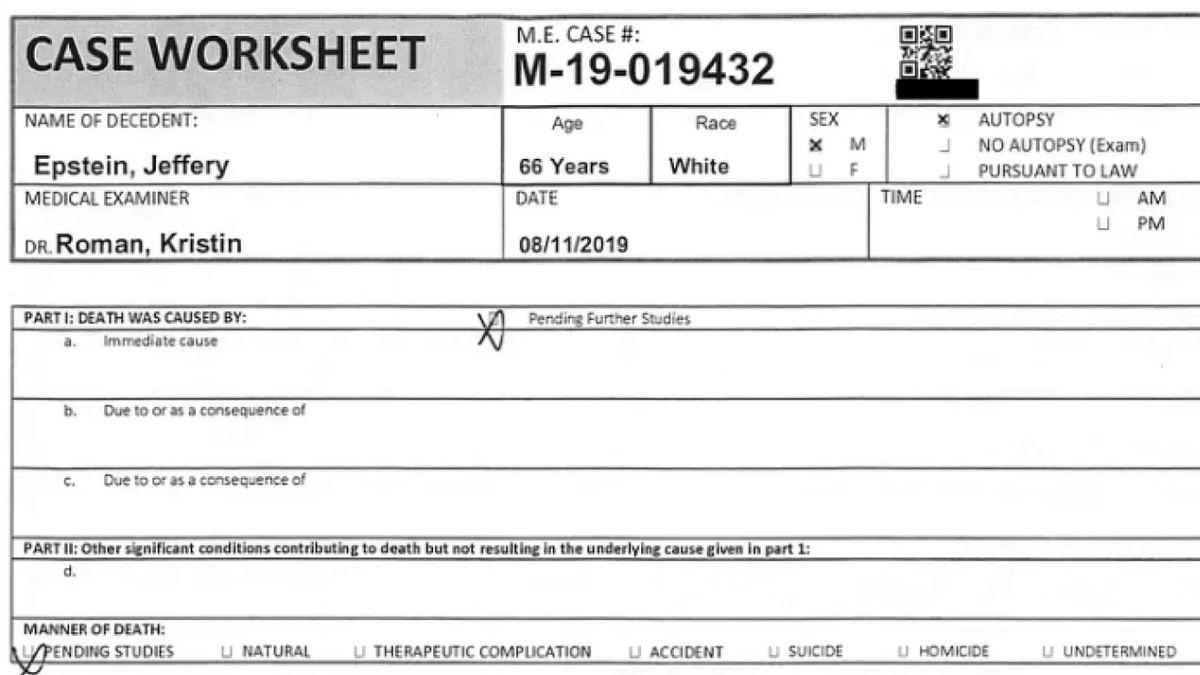
Jeffrey Epstein's cause of death was initially left undetermined amid "pending further studies."
Upon reviewing Roman's findings, Baden was convinced Epstein hadn't taken his own life, but rather died by homicide.
At the time, Roman was also uncertain about the manner of Epstein's passing, as she failed to check the boxes for "homicide" or "suicide" on the late child predator's death certificate, instead checking the box beside "pending studies."
The outcome remained pending for five days, until the chief medical examiner of New York City at the time, Barbara Sampson, ruled Epstein's death a suicide after "careful review of all investigative information" despite not being present during the abuser's autopsy.
Fast forward to 2026, Roman's reason for waiting to determine Epstein's official manner of death was finally revealed in a trove of documents released by the DOJ.
Roman claimed her hesitation came from wanting to be "thorough," insisting: "It was pretty clear cut."
A forensic pathologist hired by Jeffrey Epstein's brother, Mark, is convinced the disgraced financier died by homicide.
Speaking to Business Insider, however, Baden recently confessed he remains only further convinced Epstein was killed after reviewing Roman's interview, which was conduced under oath in May 2022.
Baden said his belief stems from three fractures found in Epstein's neck, claiming the injuries were more consistent with strangulation than hanging. The forensic pathologist's theory matches that of Epstein's brother, many of his former lawyers, his co-conspirator Ghislaine Maxwell and even several of his victims.
During her interview with the DOJ, Roman was asked whether her "professional opinion" was that Epstein's "cause of death" was suicide.
"That's his manner of death," she clarified at the time. "His cause of death is hanging, and his manner of death is suicide."
Roman addressed her requests to examine Epstein's prison cell and speak to the prison staffer at the Manhattan Correctional Center who found his body, noting she wanted to determine whether the billionaire was "fully hanging" and "where."
While Roman's requests were denied, she said it did not hinder her ability to determine Epstein died by suicide.
Want OK! each day? Sign up here!
Jeffrey Epstein's Neck Fractures Were 'Rare' for a Suicide Case
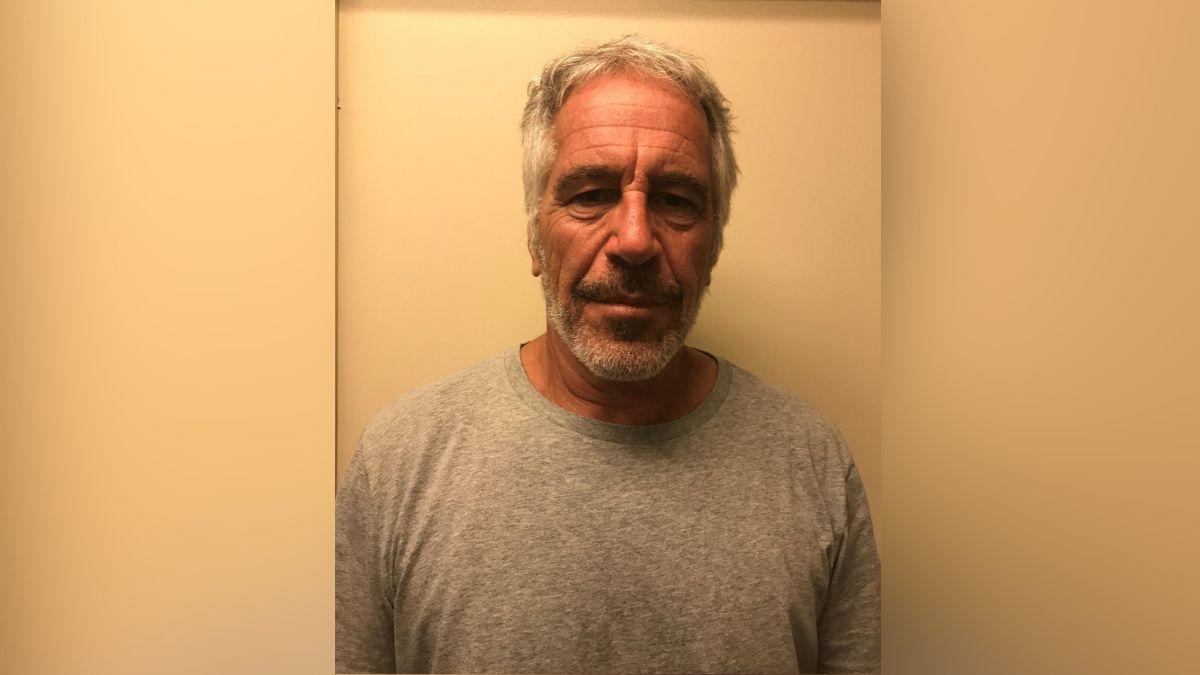
Jeffrey Epstein died in his jail cell while awaiting trial on trafficking charges.
"It would have been more for completeness rather than a big factor in making the determination," she explained.
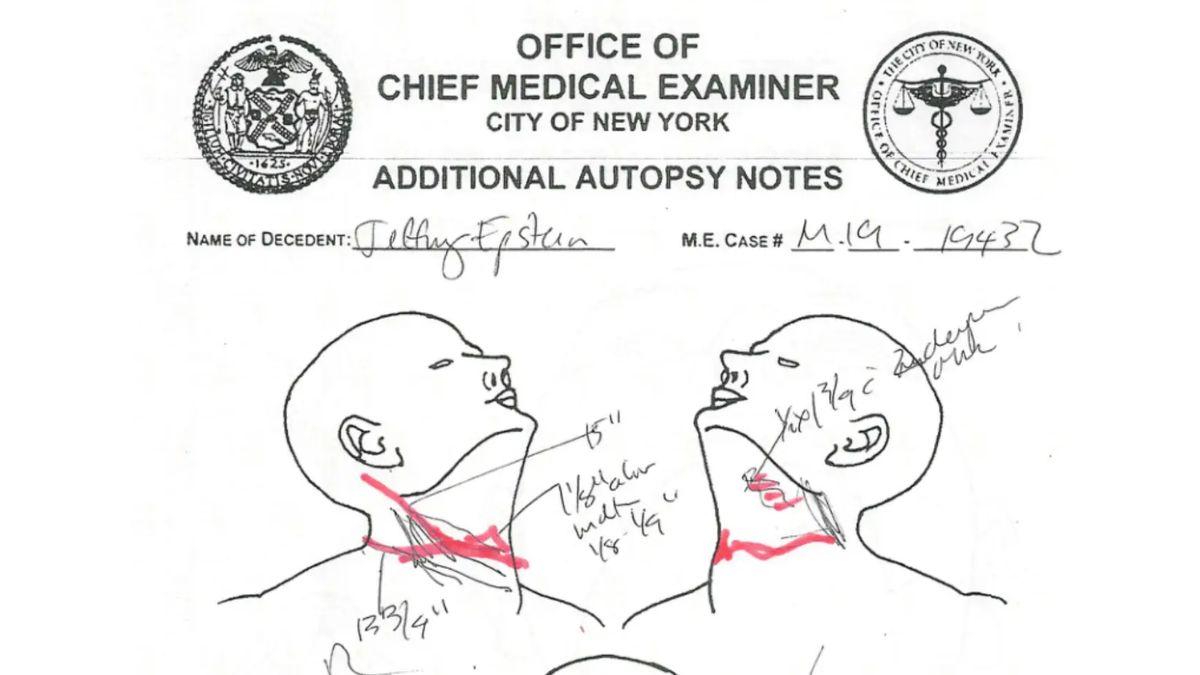
Roman mentioned Epstein's neck fractures in her interview, claiming his hyoid bone being fractured "on the tip" better matched a suicide than if the fractures were found near the joints, where bone breaks would likely occur "if somebody squeezes your neck in a homicidal fashion with unsustained pressure."
Noting "manual strangulation" would have fractured Epstein's neck "unevenly," Roman said his thyroid cartilage being fractured where the hyoid bone pressed against it was further evidence consistent with one hanging themselves.
During his chat with Business Insider, however, Baden insisted he's never seen three fractures in a suicidal hanging in the 25 years he's worked as a medical examiner in New York City.
"That doesn't mean it can never happen, but it sure as h--- is very rare if it happens," Baden admitted.
It's Unclear Which Noose Jeffrey Epstein Used to Commit Suicide
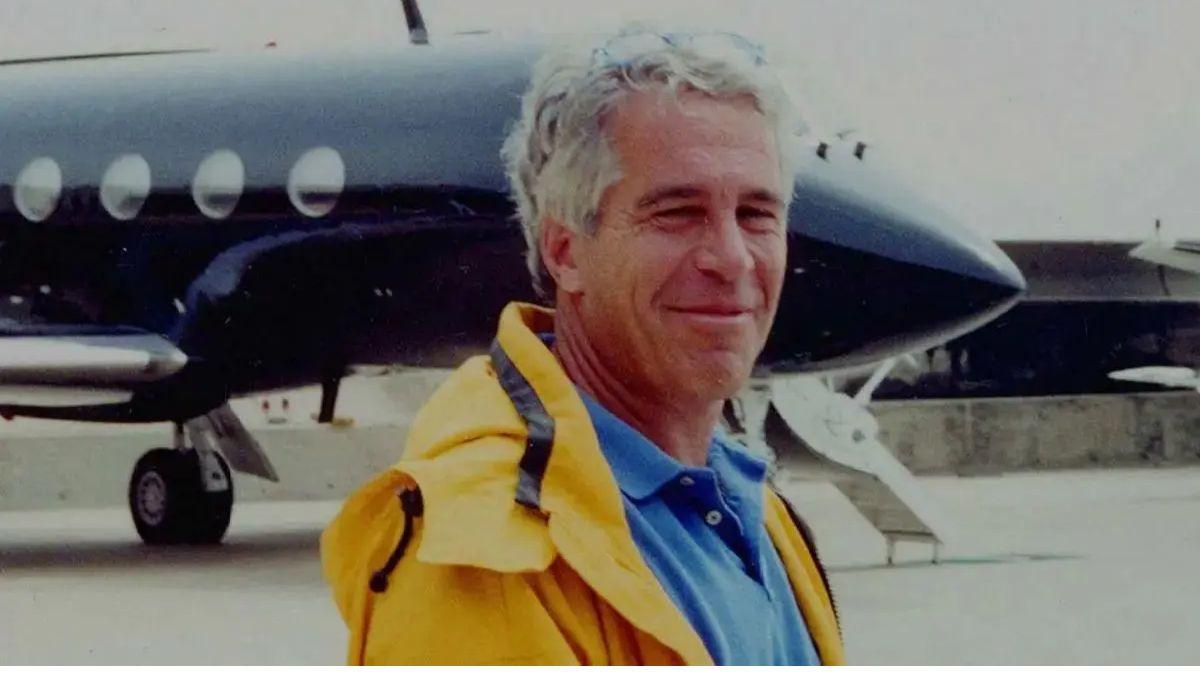
Jeffrey Epstein's death was ultimately ruled a suicide by hanging. He was 66.
Elsewhere in her interview, Roman revealed Epstein's body had arrived at the medical examiner's office with a noose fashioned from a bedsheet that jail officers said they discovered in his cell.
According to Baden, the noose was not present during the autopsy and he was only able to review photos of it after the fact. The images also featured other nooses scattered on the floor of Epstein's jail cell. He argued that the marks on Epstein's neck did not match what he would expect from those materials being used in a hanging.
Roman acknowledged in the interview that she was "not as convinced as I would like to be" about which specific bedsheet noose was ultimately used. Still, she said that uncertainty did not change her ruling that Epstein died by suicide.
At another point in the interview, investigators showed Roman photos of two additional torn bedsheet ligatures recovered from the cell. She said she had not previously seen them but believed either one could have produced the injuries observed on Epstein's neck, noting that one in particular appeared to be the "more likely candidate."