
 EXCLUSIVE
OK! Reveals the Reasons Other Royals Have Had Run-Ins With the Law in Wake of Andrew Mountbatten-Windsor's Shocking Arrest

Here are royals who have had run-ins with the law.
March 7 2026, Published 7:00 a.m. ET


Andrew Mountbatten-Windsor has become the first senior royal in modern history to be arrested – a moment OK! can reveal has prompted renewed scrutiny of the rare occasions when members of Britain's royal family have found themselves on the wrong side of the law.
And we have the details of all The Firm's other members who have had major run-ins with the law.
Andrew, 66, who denies all wrongdoing, was detained on the Sandringham estate in Norfolk on suspicion of misconduct in public office before being released under investigation.
His alleged offense of passing his late friend Jeffrey Epstein sensitive information while working as a trade envoy for the U.K. carries a maximum sentence of life imprisonment.
While the arrest is unprecedented in contemporary times, history shows legal entanglements – though usually minor – are not entirely unknown within the royal family.

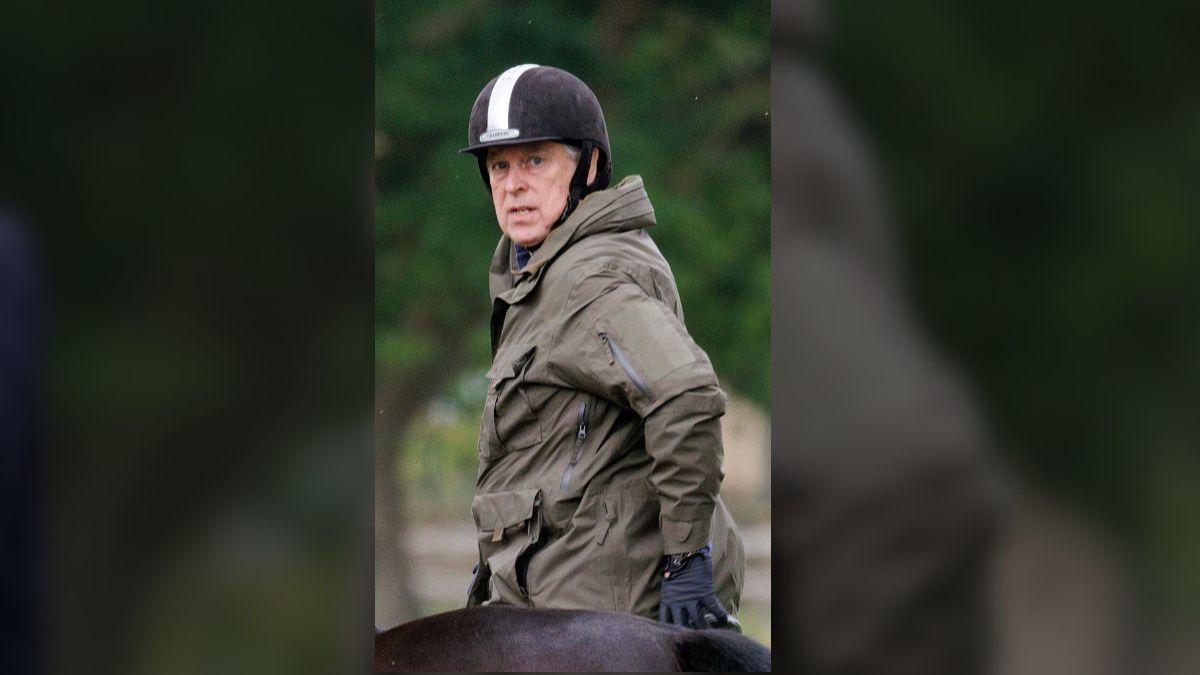
Andrew Mountbatten-Windsor denied all wrongdoing.
The last royal to face prosecution was Princess Anne, 75, in 2002. After her English bull terrier, Dotty, bit two boys in Windsor Great Park, Anne pleaded guilty under the Dangerous Dogs Act at Slough magistrates' court and was fined $670.
A former court official familiar with the case said: "The Princess Royal accepted responsibility without drama. It was handled as a straightforward legal matter, and she complied fully with the court."
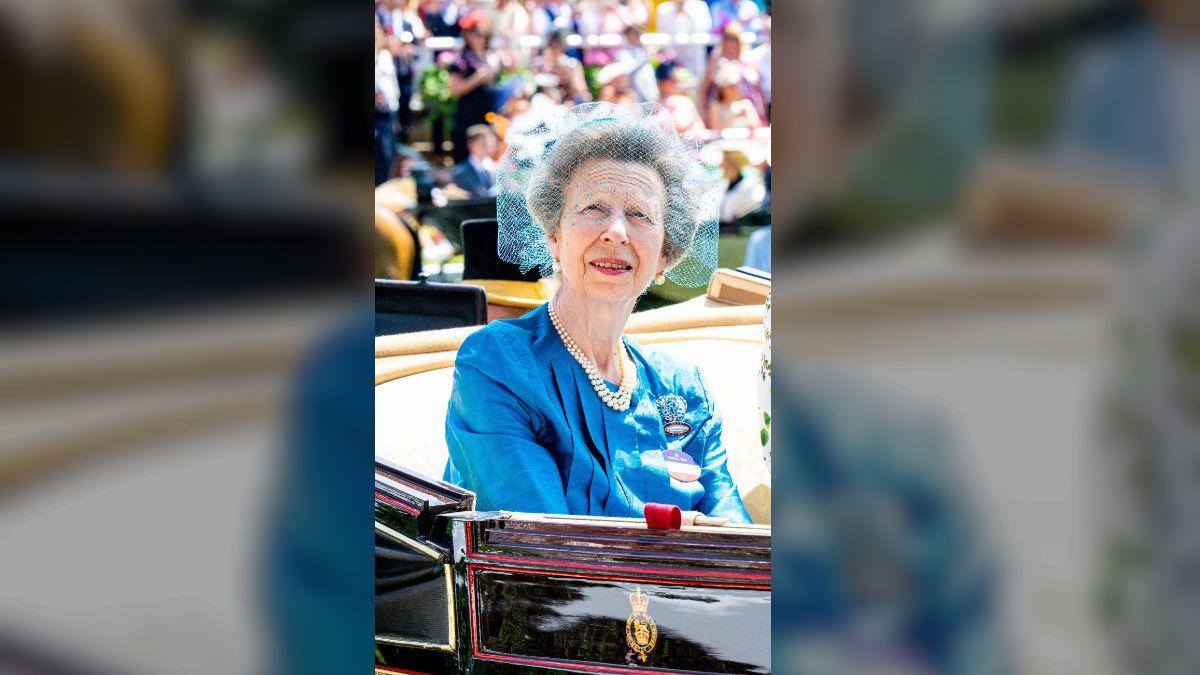
Princess Anne pleaded guilty under the Dangerous Dogs Act.
Driving offenses have accounted for most other modern run-ins between The Firm and cops.
In 2001, Anne was also caught driving her Bentley at 93mph in a 70mph zone in Gloucestershire – later explaining she believed the police car behind her was a royal escort.
And her daughter, Zara Tindall, received a six-month driving ban in 2020 after being clocked at 91mph.
- Has Any British Royal Ever Been Arrested? A Full History Following Andrew Mountbatten-Windsor's Latest Legal Firestorm
- Ex-Prince Andrew’s Arrest Is an 'Enormous Scandal' and 'Embarrassment' for Royal Family, Claims Historian
- King Charles and Prince William Weren't Given Advance Notice About Andrew Mountbatten-Windsor's Shocking Arrest
Want OK! each day? Sign up here!
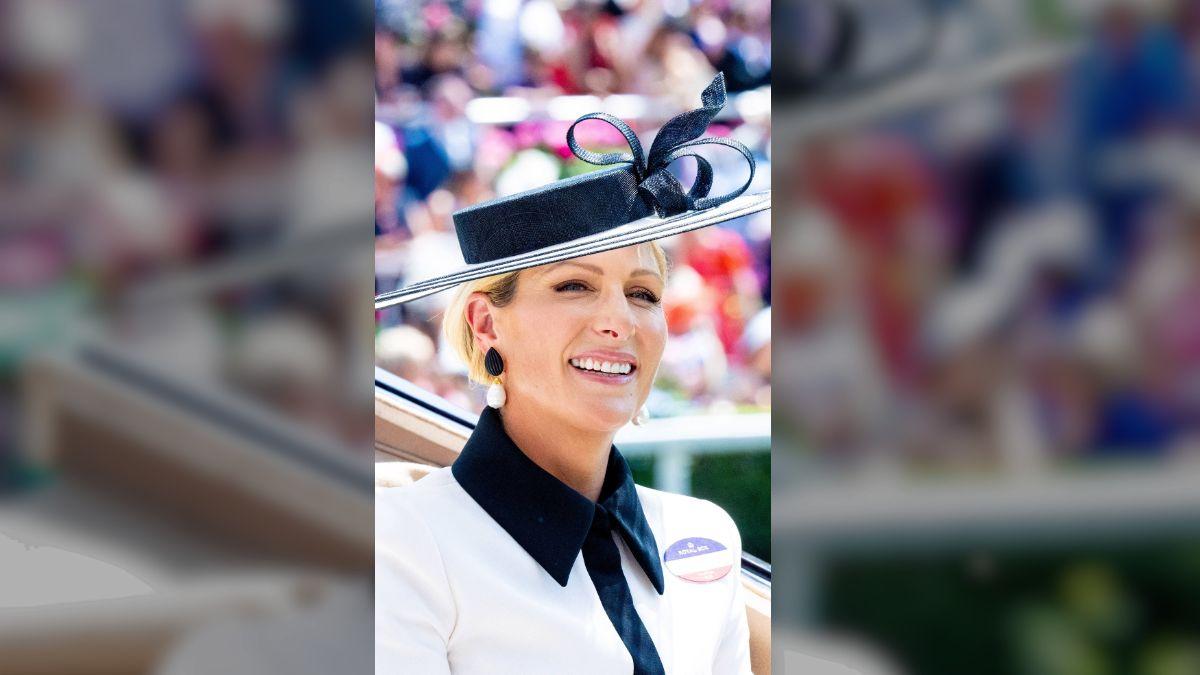
Zara Tindall received a six-month driving ban in 2020.
Prince Philip was 97 when he voluntarily surrendered his driving licence in 2019 following a crash near Sandringham in which his Land Rover Freelander overturned after colliding with a Kia car.
Although he accepted responsibility and wrote a personal letter of apology to the other driver, the Crown Prosecution Service decided not to bring charges.
Norfolk police later issued "suitable words of advice" after he was photographed driving without a seat belt shortly after the accident.
In 2021, it emerged King Charles, now 77, had been interviewed as a witness in 2005 during a Metropolitan Police investigation into the death of Diana, Princess of Wales, who died at age 36 in a Paris car crash in 1997.
Lord Stevens of Kirkwhelpington, then commissioner of the Met, confirmed Charles was questioned as part of a three-year inquiry that examined allegations, including a note written by Diana predicting she would die by "brake failure and serious head injury."
No evidence of wrongdoing was found.
But to find the last time a royal was detained in circumstances comparable to an arrest like Andrew's requires a journey back more than three centuries.
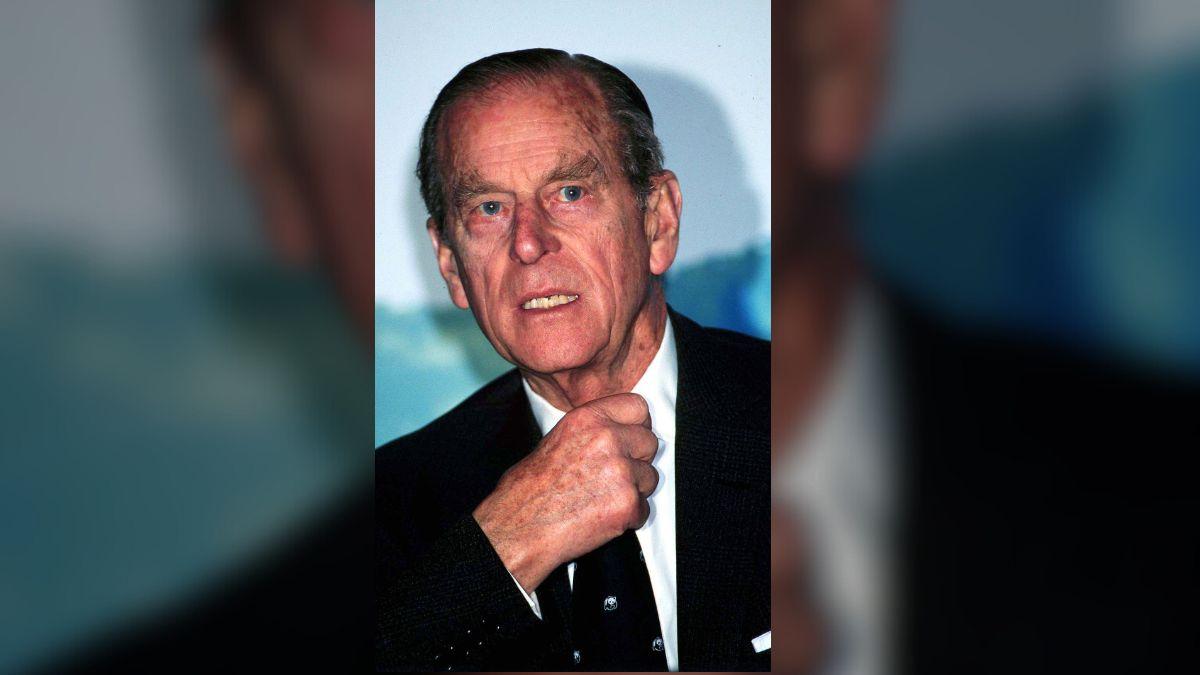
Prince Philip voluntarily surrendered his driving licence in 2019.
Charles I was taken prisoner during the English Civil War in 1646 after surrendering to the Scots.
Transferred to parliamentary custody, he was held at Hampton Court Palace and later Carisbrooke Castle before being tried for high treason in Westminster Hall in 1649 – and executed.
Earlier still, Tudor history is marked by prosecutions and executions.
Anne Boleyn in 1536 and Catherine Howard in 1542 were beheaded on charges of treason and adultery under Henry VIII. Mary, Queen of Scots was imprisoned for 19 years before her execution in 1587 after her cousin Elizabeth I signed her death warrant.
A royal historian said: "What makes Andrew's arrest so shocking is not that royals have never faced legal jeopardy – history proves otherwise – but that in the modern constitutional monarchy, such events have been extraordinarily rare and typically limited to minor infractions. This is of an entirely different magnitude."