
 Politics
Megyn Kelly Defends Donald Trump 'Occasionally Nodding Off' as Health Concerns Mount

‘Maybe it's just that he doesn't sleep much at night,’ Megyn Kelly suggested in defense of Donald Trump.
May 27 2026, Updated 1:18 p.m. ET


Despite her recent criticism of President Donald Trump, podcaster Megyn Kelly defended “Dozy Don’s” occasional daytime napping by arguing that it is caused by fatigue and boring events, rather than a hidden medical issue.
The commentary arrived after social media videos and photos went viral showing the president with his eyes closed during a speech by Secretary of Defense Pete Hegseth, as well as during previous Oval Office and Cabinet meetings.
While critics and medical analysts questioned his physical fitness and suggested potential underlying health risks, Kelly took to social media to push back against the narrative.
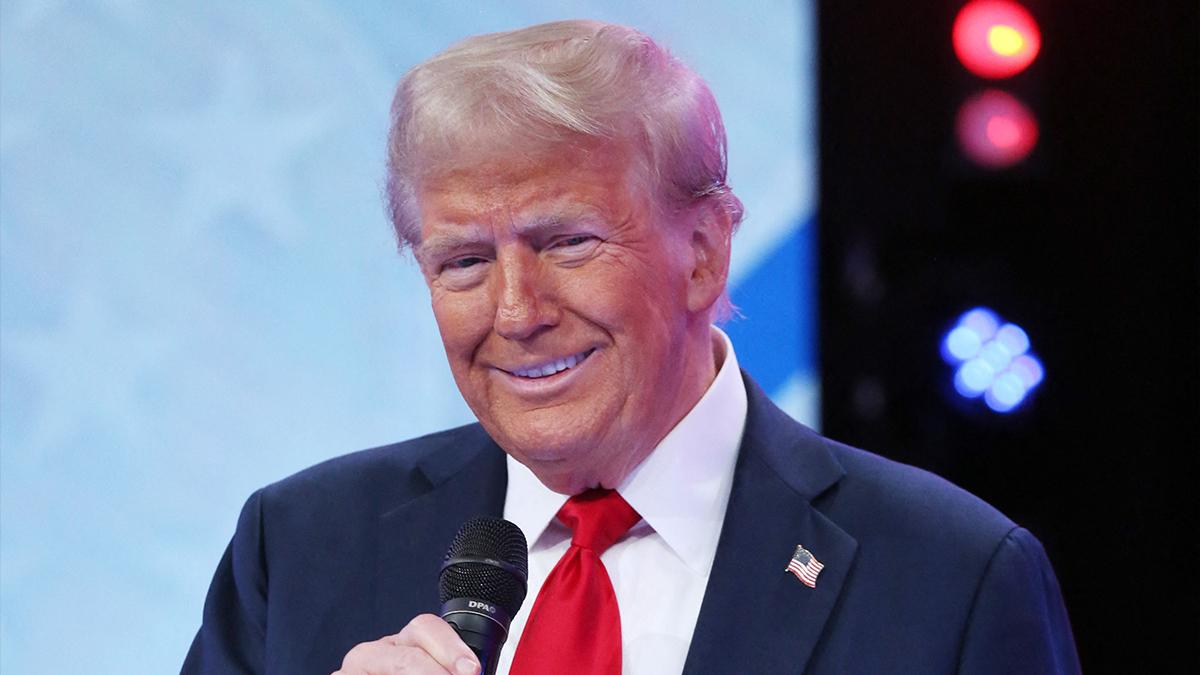
Megyn Kelly defended Donald Trump’s seemingly sleepy demeanor.

In a post shared on her official X account, Kelly mocked the mainstream media's framing of the incidents.
"I love how Trump occasionally nodding off has got to be some secret, scary medical issue,” she wrote.
She suggested the behavior is simply human, stating, "Maybe it's just that he doesn't sleep much at night and these events are … kinda long/dry/not that scintillating?"
Kelly's defense marked a sudden shift from her recent public stance. Just days prior, during an appearance on the "Hodgetwins Podcast," she had launched a scathing critique of Trump’s personal life, asserting that he "has cheated on every wife he's had.”
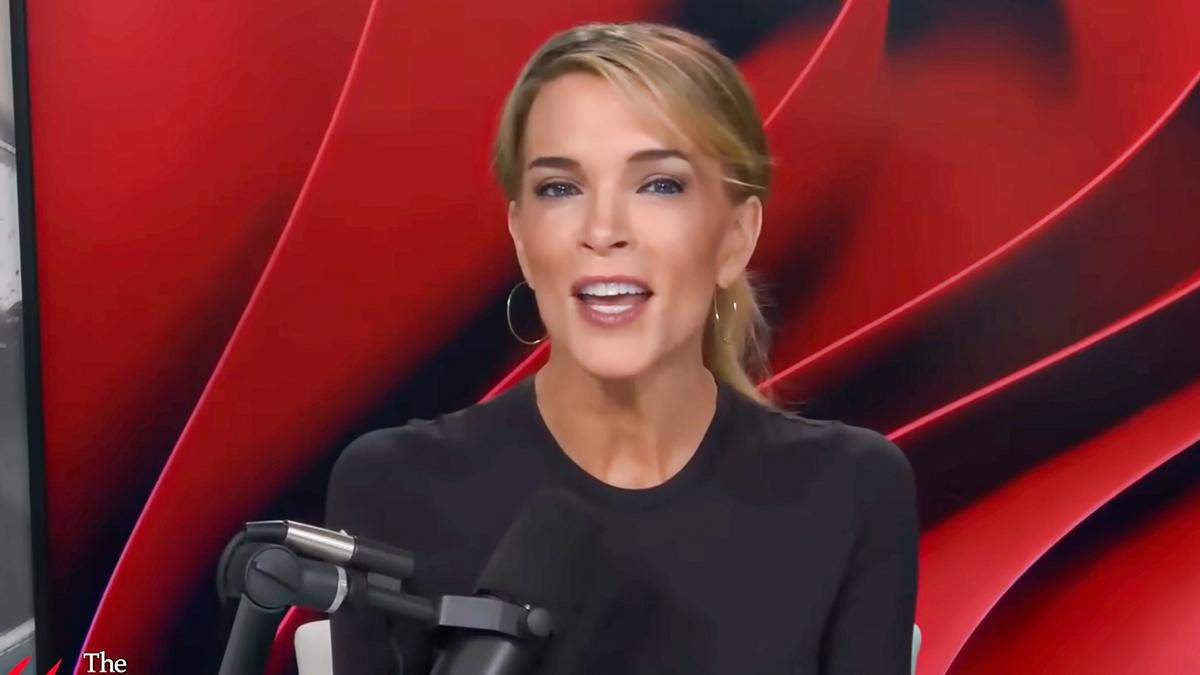
Megyn Kelly accused Donald Trump of ‘cheating on every wife he’s had.’
“And by the way, Ivana, his first wife, accused him of raping her. She alleged in her first book that he was so angry over the hair transplant he got that she made him get. It was so painful that he raped her. And she later retracted that when he ran for president, but that stood on the books for some time,” Kelly said. “I don’t know whether that’s true or not, but just saying, clearly not a great relationship there. And then he winds up with Melania, and you know, if you think Trump’s been faithful to Melania, that’s great. You got bigger issues than I can solve here.”
Despite her frequent criticism of his character and polling numbers, Kelly stepped in to downplay the health controversy.
For his part, Trump dismissed the health speculation following a routine checkup at Walter Reed Medical Center, posting on Truth Social that "everything checked out PERFECTLY."
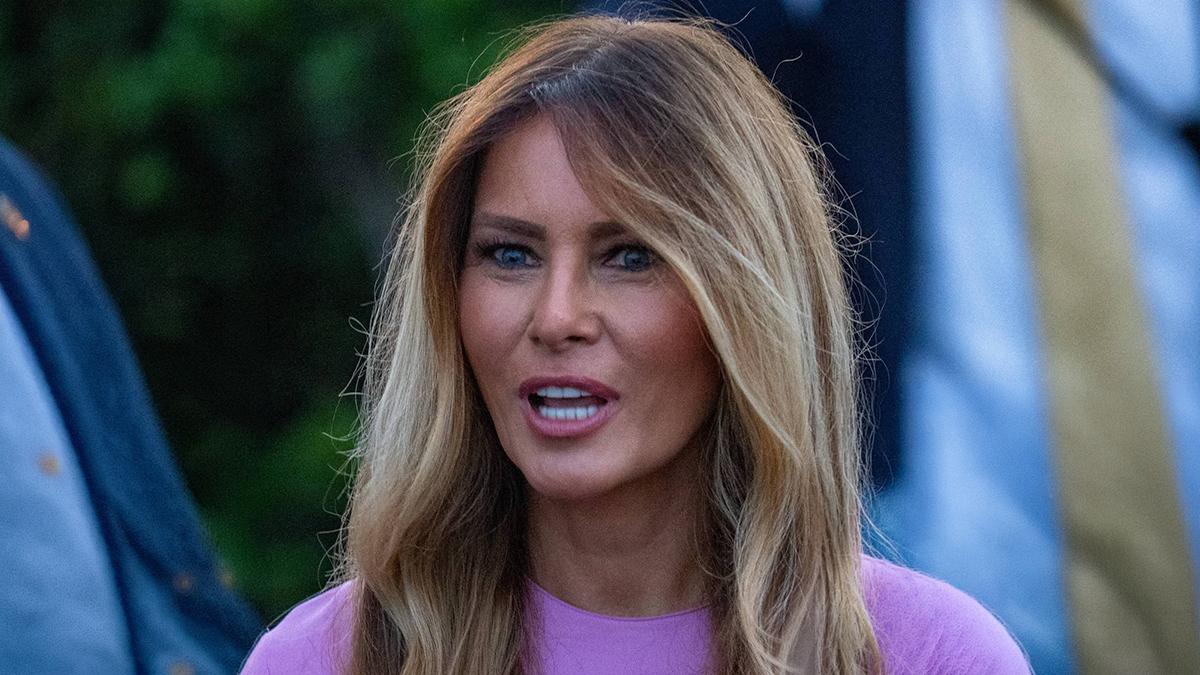
Megyn Kelly suggested Donald Trump hasn’t been faithful to his wife, Melania Trump.
- Donald Trump Falling Asleep Mid-Meeting Brushed Off by Medical Analyst Who Compares Him to '10-Minute Nap' Enthusiast Thomas Edison
- Seth Meyers Roasts Donald Trump's Public Naps as White House Fights Viral Sleep Clips
- 'Sleepy' Donald Trump Fights Back Sleep as Dr. Oz Showers President With Praise: Watch the Awkward Moment
Want OK! each day? Sign up here!
Dr. Jonathan Reiner, director of the cardiac catheterization laboratory at The George Washington University Hospital and professor of medicine at The George Washington University, disagrees with Kelly, frequently commenting on the president’s penchant for daytime dozing.
“He’s fallen asleep in the Oval Office on multiple occasions with people talking to him in the cabinet room, and there was concern yesterday that he might have fallen asleep at Arlington National Cemetery during Memorial Day observances,” Dr. Reiner said Tuesday on CNN.
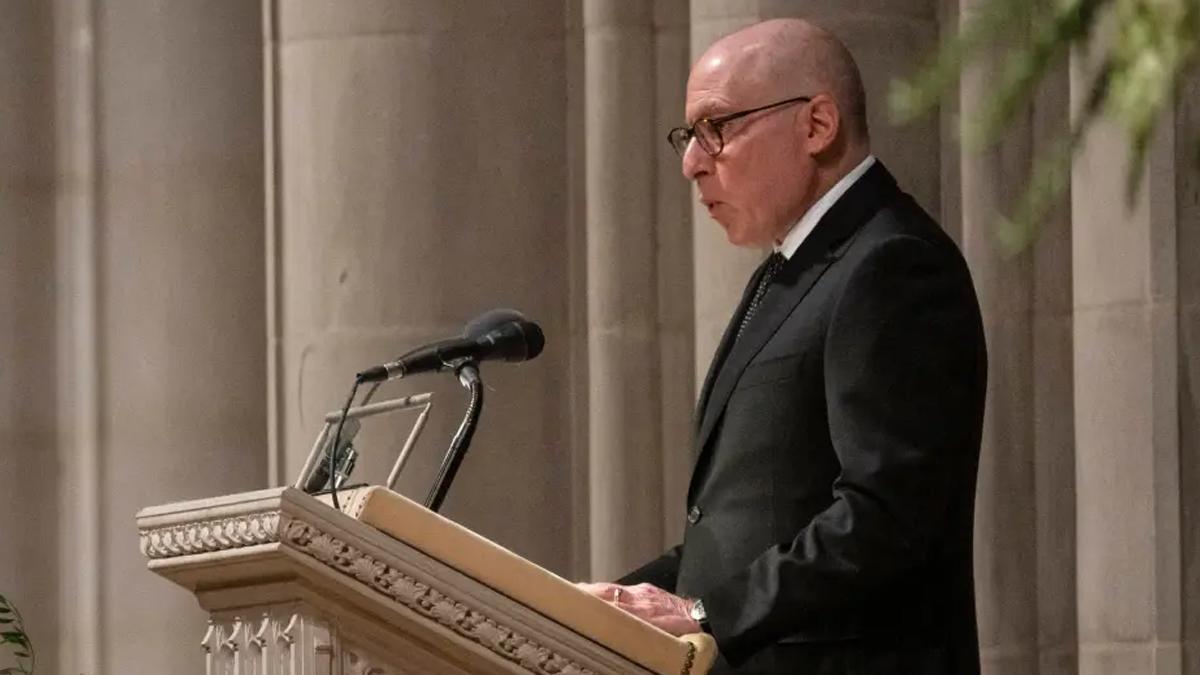
Dr. Jonathan Reiner frequently sounds the alarm on Donald Trump’s health.
Dr. Reiner warned that chronic daytime somnolence and underlying sleep issues are serious conditions that can elevate the risk of cognitive decline, dementia and cardiac events in older adults.
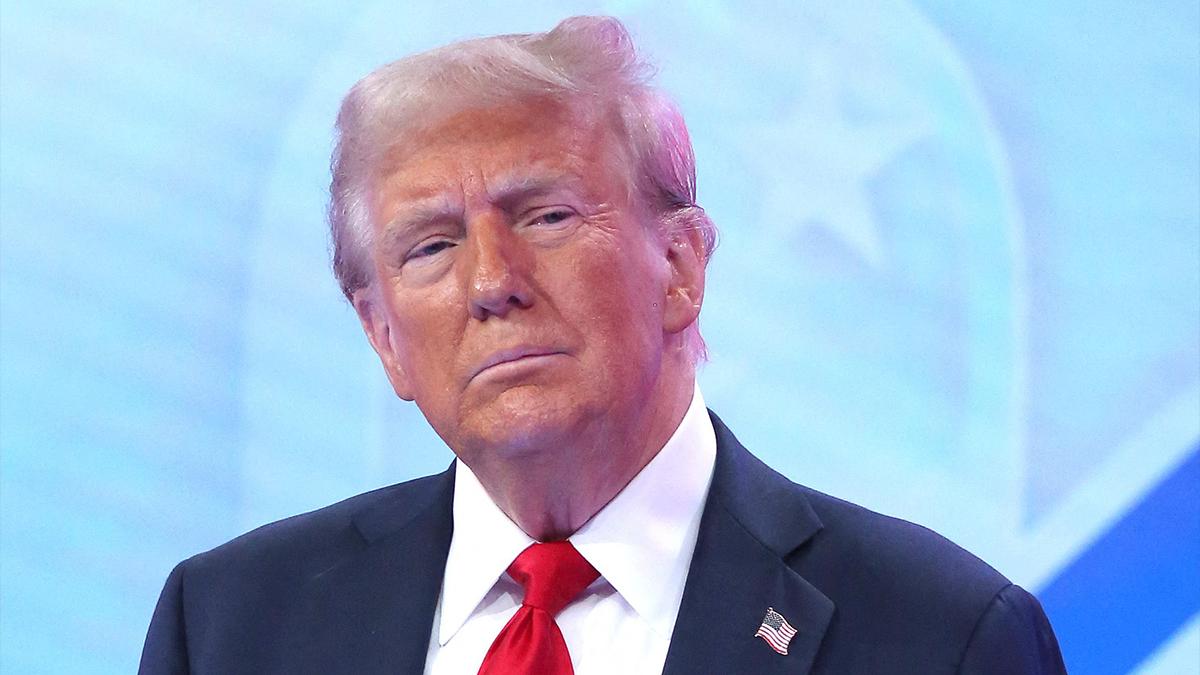
Donald Trump claimed his semi-annual physical checked out ‘perfectly.’
"The president has severe daytime somnolence. He falls asleep very often. He's fallen asleep in the Oval Office on multiple occasions with people talking to him, in the cabinet room. Chronic insomnia is a severe illness. It can result in an increase in risk of dementia, a decrease in cognitive effects in older people,” he said.