
 TRUE CRIME NEWS
Inside the Cornell 7 Case: Everything to Know About the Sexual Assault Allegations and Investigation

Cornell University has banned all parties and social events amid mounting scrutiny over the Cornell 7 sexual assault allegations.

Oct. 18 2026, Updated 7:34 p.m. ET


A woman filed a civil lawsuit against Cornell University and seven Chi Phi fraternity members — dubbed the Cornell 7 online — alleging she was gang r---- at a university fraternity house in 2024.
The plaintiff, identified as Jane Doe in the documents, named the Ivy League university, several Chi Phi fraternity organizations, seven current and former students, sorority organizations, the fraternity chapter's former president, a local bar and several unnamed individuals as defendants. The Cornell 7 are Matthew Ingalls, Johnathan Newell, Winston Lee, Gillio Lopes, Diego Sarabia, Scott Norris and Scott Kretzschmar.
The lawsuit was filed nearly two years after Cornell first informed its community of the alleged incident on November 8, 2024.
Here's everything to know so far about the Cornell 7 case.
What Is the Cornell 7 Case?

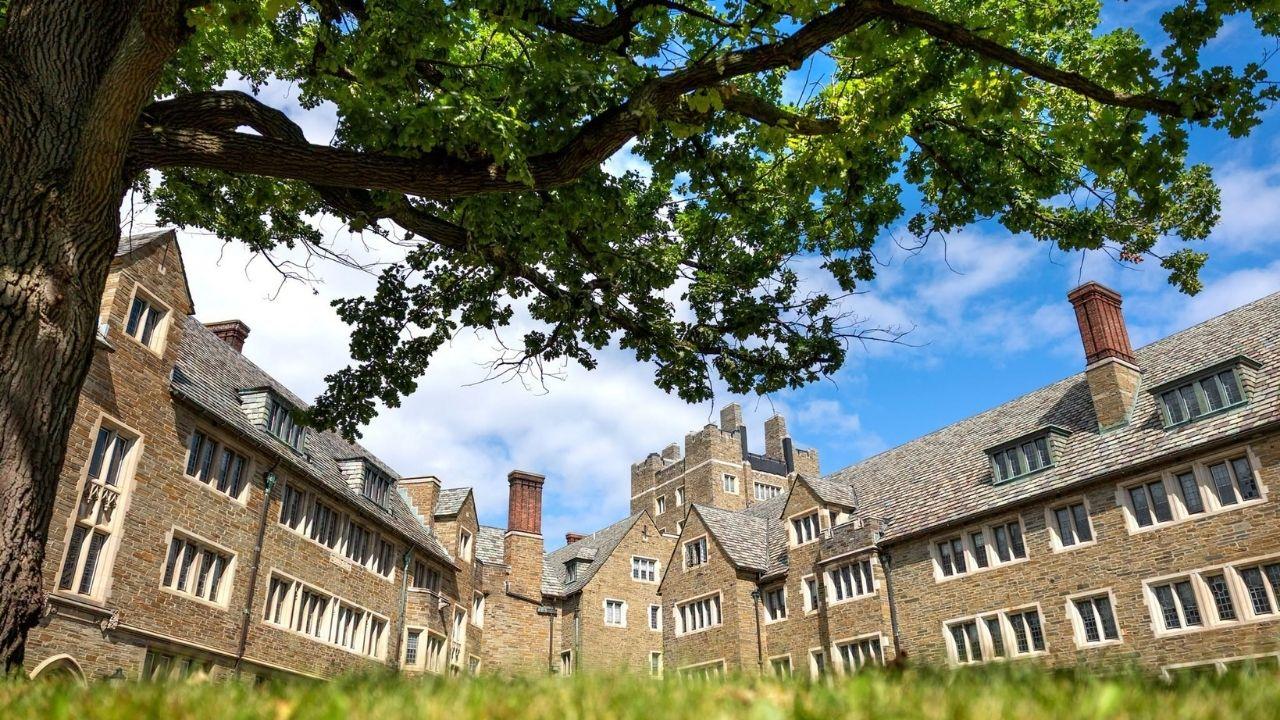
The Cornell 7 case centers on the 2024 Chi Phi sexual assault allegations.
In the lawsuit, Doe claimed the alleged drugging and sexual assault happened on the night of October 19, 2024, when the former Cornell University student consumed alcohol at the Tri-Delta house and attended a sorority event at Moonies Bar & Nightclub.
Doe alleged she visited another bar before arriving at the Chi Phi fraternity house around 11 p.m. to meet a friend.
"When Plaintiff arrived at XI CHAPTER's fraternity house, Plaintiff was visibly intoxicated as she had consumed about 10 standard drinks within the past 3 hours," the complaint said.
According to Doe, several fraternity members coerced her into consuming ketamine, marijuana and alcohol before sexually assaulting her.
The complaint further alleged that one fraternity member sent a sexually explicit Snapchat message encouraging others to enter the room around 1:42 a.m. on October 20. The alleged assault reportedly continued until approximately 5:45 a.m., after which Doe lost consciousness and regained awareness later that day.
Upon returning to her sorority house, she noticed bruises on her body and took medication to prevent a urinary tract infection. Although Doe initially did not describe the incident as r--- or sexual assault, one roommate recalled she appeared to be in shock and unaware of what had happened. The lawsuit further alleged that details of the incident began circulating among students later that day.
Doe reported the incident to Cornell University police on November 8, 2024.
"It was clear to me by several friends that the members of Chi Phi were bragging about having an 'eightsome' with me," Doe told university police. "It was now obvious that everyone knew it was me that this had happened to."
After reporting the assault, Doe left Cornell, which her attorney, Thomas Giuffra, described as her "dream school." She initially relocated to New York City before returning to her parents' home, where she continued undergoing psychotherapy.
"She's healing, but she's not doing well," said Giuffra. "She's lost her Ivy League career, and she's got to deal with these injuries. [But] she's talked about working with other victims, to let them know they're not alone and to be able to give help and support and guidance. . . . I think justice for my client looks like change."
When Was the Lawsuit Against the Cornell 7 Filed?
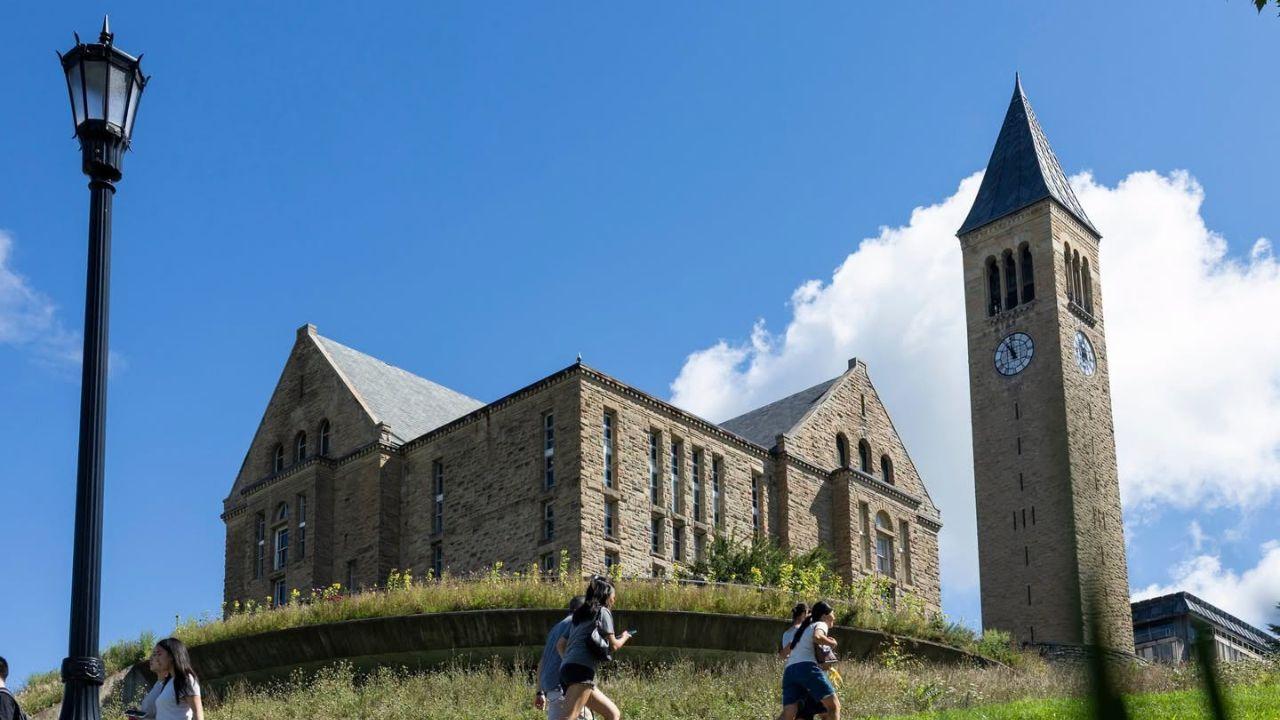
Cornell University is sharing updates on its sexual violence response page.
The civil lawsuit against the Cornell 7 was filed in New York County on September 16, nearly two years after the alleged sexual assault. Two days later, The Cornell Daily Sun reported on the lawsuit, bringing the case into the national spotlight.
In response to the lawsuit, Cornell's Vice President for University Relations Kyle Kimball released a statement confirming the Cornell Office of Civil Rights and the Office of Student Conduct and Community Standards "investigated and adjudicated the allegations consistent with university policies."
"The Xi chapter of Chi Phi fraternity remains barred from our campus," the statement continued. "Federal privacy law prohibits Cornell from disclosing specific information regarding individual students and we therefore are unable to make a public statement on any other disciplinary response. Violations of university policies could lead to sanctions up to and including suspension or expulsion. We will respond in detail through the legal process."
Were the Cornell 7 Students Expelled?
The case named seven members of the Chi Phi fraternity as defendants.
According to The New York Times, Cornell suspended the Chi Phi fraternity chapter in November 2024 before permanently closing it later that year.
Disciplinary records obtained by the news outlet showed that two students were expelled, two others were suspended and one former student was banned from campus. The remaining two students received no-contact orders.
Want OK! each day? Sign up here!
Who Is Investigating the Cornell 7 Case?
An anonymous former student filed a civil lawsuit using the pseudonym Jane Doe.
Tompkins County District Attorney Matthew Van Houten initially announced on September 27 he was reopening the investigation into the Cornell 7 sexual assault allegations to determine whether new evidence could support criminal charges.
"It's our intention to present the case to the Tompkins County grand jury with Jane Doe's cooperation," Van Houten told ABC News. "We want to reexamine whether there's additional evidence that we were not aware of in November of 2024, that exists now that would change our assessment of the case and would result in the grand jury finding that there was criminal conduct."
On October 1, New York Governor Kathy Hochul appointed Attorney General Letitia James as special prosecutor through Executive Order No. 64, transferring responsibility for the investigation from Van Houten to James. The decision came after Hochul said she had "lost faith" in Van Houten's ability to handle the investigation.
"The young woman at the center of this case deserves to know that every fact will be examined and justice pursued," the attorney general said.
What Has Cornell University Done Following the Allegations?

Two of the seven students were expelled.
In addition to conducting a Title IX investigation, Cornell announced it had retain a team from King & Spalding, led by Justice Department veteran Sally Yates, to examine the university's "policies, practices and resources across the full range of prevention and response, including how reports are received and investigated; how students are supported; how hearings, disciplinary decisions and appeals are handled; the role, processes and response of campus police; coordination with other law enforcement agencies and prosecutors; campus safety reporting; and policies and oversight involving fraternities, sororities and other student organizations."
"Sally Yates brings extraordinary experience, independence and judgment to this work," Anne Meinig Smalling, Chair of the Special Committee, said in a statement. "The questions raised by the Jane Doe matter warrant a rigorous examination of Cornell's response to that case, but our responsibility is broader. We have asked Ms. Yates and her team to examine Cornell's overall approach to preventing and responding to sexual misconduct, identify where we are doing things well and where we can do better, and recommend changes that will help make our community safer."
On October 13, Cornell President Michael Kotlikoff announced additional campus safety measures, including a ban on parties and social events at Interfraternity Council fraternity houses for the remainder of the 2026–2027 academic year.
"These are first steps toward systemic change on our campus. We will take all necessary steps to address the conditions that led to Jane Doe's experiences, and those of other survivors. Cornell must be a place where safety is not an open question. I am committed to doing that work, and to seeing it through. It will take all of us working together, however, to build a Cornell culture of community, trust, and respect," the president wrote in a letter addressed to the Cornell community.
What Is the Latest Update on the Cornell 7 Case?

The young woman said she was gang r---- by fraternity brothers while she was attending Cornell University.
Calls for accountability intensified on October 5, when hundreds of Cornell University students, faculty and community members gathered on campus to protest the administration's handling of the Cornell 7 sexual assault allegations.
That same day, Faculty Senate members introduced a resolution calling for a vote of no confidence in the university's leadership. Kotlikoff and Provost Kavita Bala were expected to address the Faculty Senate on October 14, ahead of another meeting planned for October 28.