
 TRUE CRIME NEWS
Nancy Guthrie Investigation: A 'Second Location' Could Expose Suspect's Identity, Experts Says

Nancy Guthrie's case could be cracked open if investigators are able to find a 'second location,' a genetic genealogist explained.
March 30 2026, Published 6:39 p.m. ET


Identifying a "second location" in the search for missing mom Nancy Guthrie could serve as a breakthrough in the case, according to genetic genealogist CeCe Moore.
"She had to be held somewhere," Moore told NewsNation's Natasha Zouves in a podcast episode uploaded to YouTube on Saturday, March 28.
"If there is a second crime scene that is discovered," she explained, referring to a car or a place Nancy might have been taken, "then that gives them another opportunity to find DNA."
'She had to be held somewhere,' CeCe Moore said.

'Something Will Eventually Be Found'
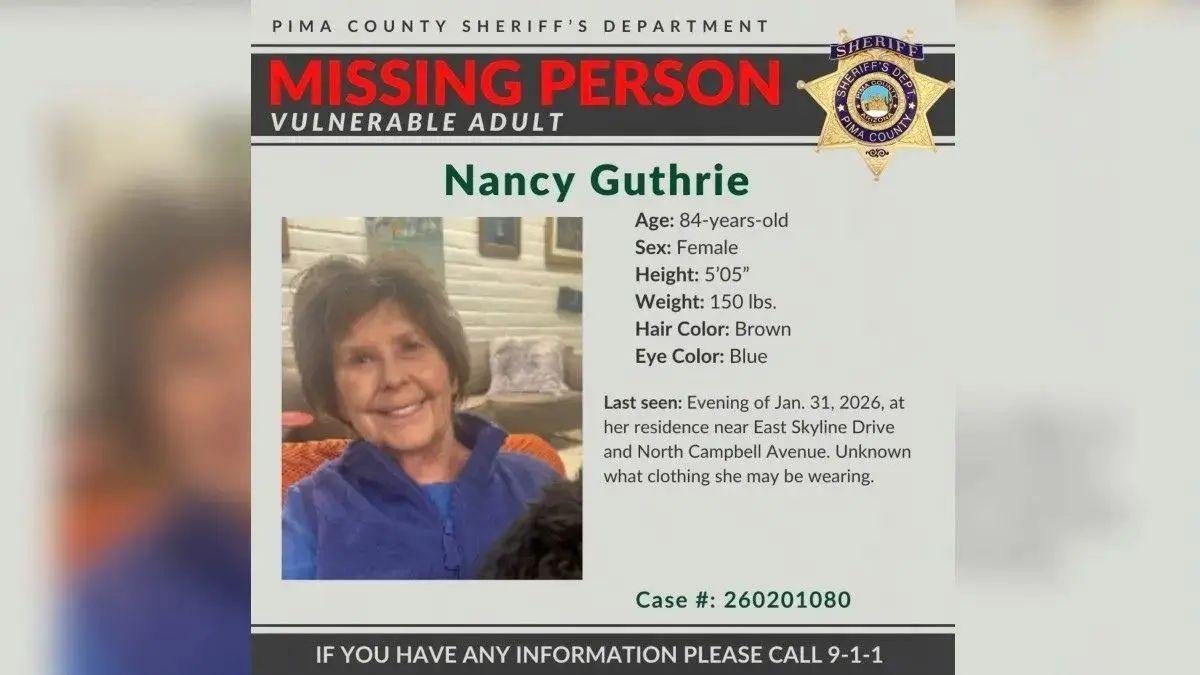
Nancy Guthrie was last seen at her Arizona home in January 31.
"If they can get a viable profile from her actual kidnapper, he will be identified through investigative genetic genealogy," Moore insisted. "I do believe something will eventually be found in that manner."
84-year-old Nancy mysteriously vanished from her Tucson, Ariz., on Sunday, February 1.
Authorities quickly determined based on evidence at the scene, including blood splatter outside the upscale Catalina Foothills residence, that Today star's Savannah Guthrie's mother had been kidnapped.
DNA Evidence Was Found at Nancy Guthrie's Scene

A ski mask-wearing man was seen on the grandma's front porch.
Moreover, a terrifying masked suspect was notably captured on Nancy's front porch via her doorbell camera around the time she went missing.
DNA was also found at the scene, though unfortunately it was "mixed," meaning it contains genetic material from more than one person, making it difficult to analyze.
As OK! previously reported, investigators revealed in the first month Nancy went missing that they were "looking into additional investigative genetic genealogy options for DNA evidence to check for matches."
Want OK! each day? Sign up here!
How Does IGG Work?
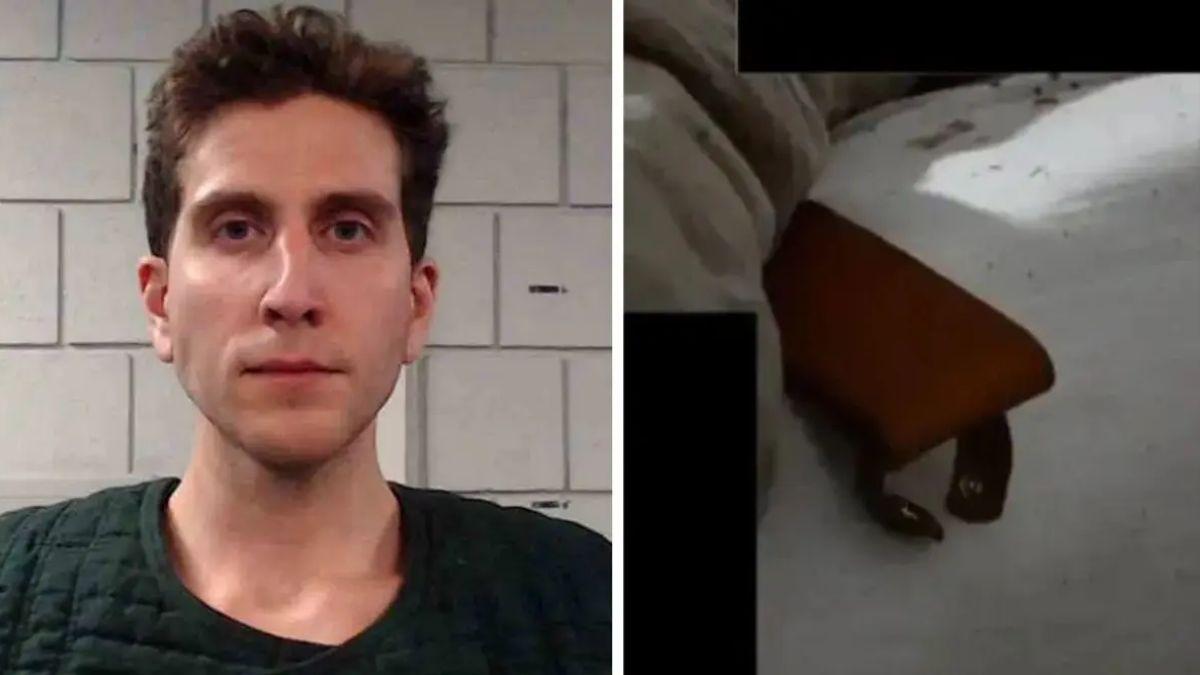
DNA found on a knife sheath left at the crime was identified as Bryan Kohberger's using IGG.
The technique, known as IGG, involves uploading DNA found at the crime scene to genealogy databases like Ancestry.com, GEDmatch or 23andMe.
If a relative of the person whose DNA was collected from the scene submitted their own sample into the system, investigators can build a family tree that helps them narrow in on a suspect.
The method has in recent years become a useful tool for identifying suspects, including in the case of Bryan Kohberger, whose DNA was discovered on the knife sheath he left behind on one of the victim's bed.
Kohberger is currently serving life in prison after pleading guilty to avoid the death penalty in July 2025.
IGG Also Caught the Golden State Killer

The Golden State Killer was caught using investigative genetic genealogy.
The groundbreaking technique first garnered attention in 2018 after law enforcement used it to track down the Golden State Killer, a prolific serial rapist and killer in California during the 1970s and '80s.
Joseph DeAngelo, former police officer and family man, flew under the radar for decades.