
 EXCLUSIVE
Princess Diana's 'Pronounced Mood Swings' During Prince Charles Marriage Revealed

Princess Diana had intense 'mood swings' during her marriage to Prince Charles, a source claimed.
Feb. 22 2026, Published 6:00 a.m. ET


OK! can reveal Princess Diana is at the center of renewed debate over her mental health, with experts and royal insiders reassessing whether the late Princess of Wales may have lived with bipolar disorder, as fresh scrutiny is placed on accounts of her volatile moods and the strain they placed on her marriage.
Diana, who died in 1997 at the age of 36 in a Paris car wreck, married the then-Prince Charles in July 1981, when she was 20 and he was 32.

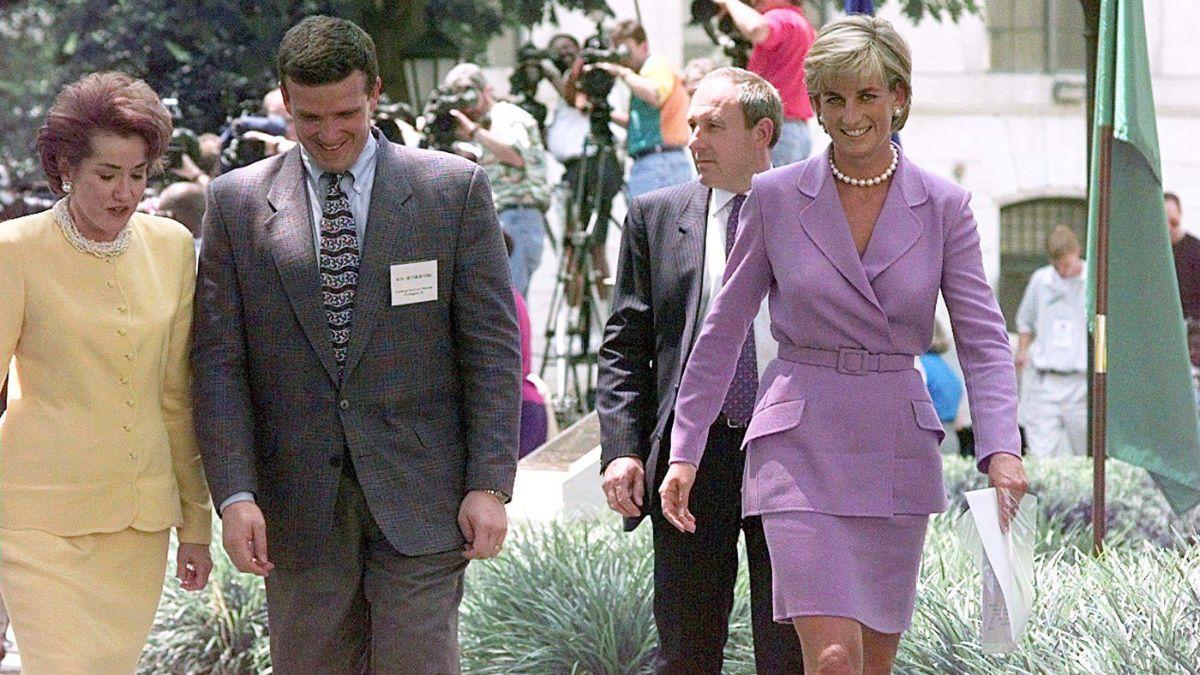
Princess Diana died in 1997.
Their hugely stormy relationship, initially presented as a modern royal fairytale, quickly became consumed by age differences, emotional incompatibility and the relentless pressure of public life.
The couple separated in 1992 after 11 years of marriage and divorced in August 1996, just over a year before Diana's death in a Paris car crash.
The reassessment of her character has been fueled by the upcoming 30th anniversary of the People's Princess' death in 2027.
One former friend of the royal mom-of-two said: "Her moods could change very quickly. She might be warm, animated and engaging one moment, and then something small would happen and she would suddenly shut down, becoming distant and icy. It was part of what made relationships with her so intense, especially for Charles."
The pal added: "Diana experienced pronounced mood swings, and that was something Charles struggled to deal with. The age gap between them only made it harder, because she was much younger and emotionally in a very different place."
Mental health specialists tell us such descriptions align with patterns associated with untreated mood disorders, particularly when viewed alongside Diana's own admissions of emotional distress in later interviews.
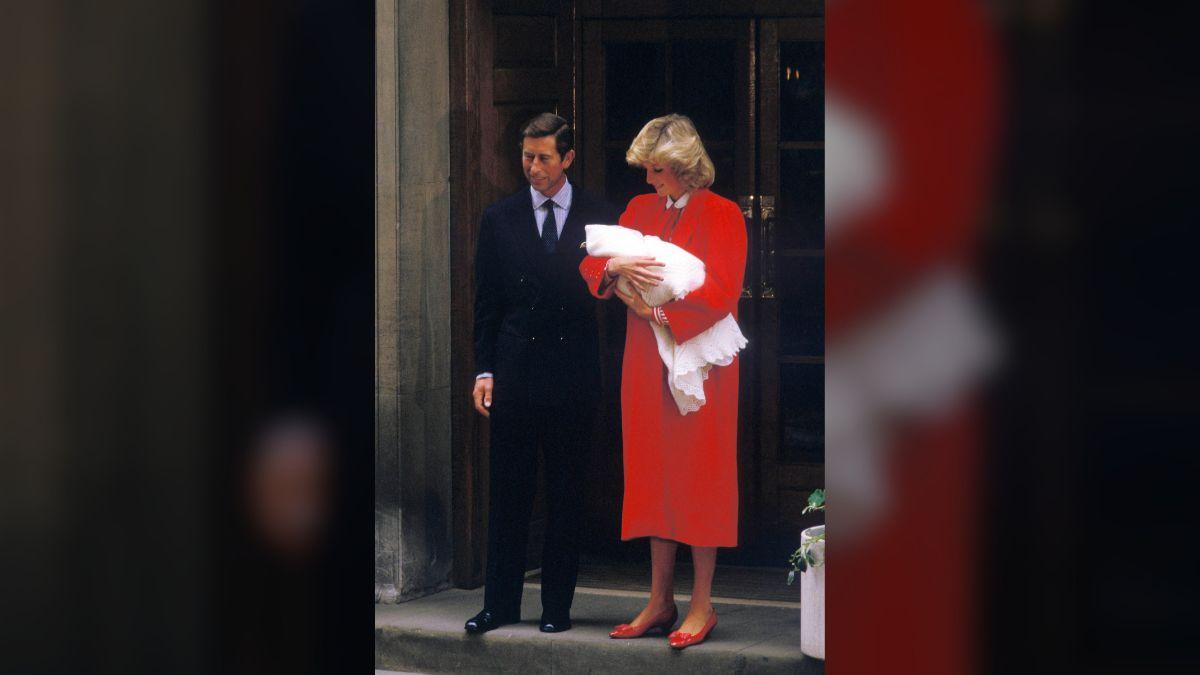
Prince Charles and Princess Diana separated in 1992.
A source said: "More clinicians are now of the view that Diana's extreme emotional shifts cannot be explained by circumstance alone. With today's understanding of mental health, many specialists would be inclined to assess her for bipolar disorder rather than labeling her reactions as personality flaws."
At the time of the marriage, Diana believed deeply in its promise. She told her biographer Andrew Morton: "I remember being so in love with my husband that I couldn't take my eyes off him. I just absolutely thought I was the luckiest girl in the world. He was going to look after me."
That optimism, historians note, collided quickly with reality, particularly as Charles maintained emotional ties to his mistress Camilla Parker Bowles, now Queen Camilla.
Royal historians agree Diana eventually came to terms with that reality.
- ‘Fatal Voyage: Diana Case Solved’ Podcast Episode 2 Reveals Princess Was ‘Deeply Paranoid & Jealous’ Of Duchess Camilla
- Prince Philip 'Wasn't Fooled' by Princess Diana Secretly Working With Biographer in 1992: 'He Was Not Impressed'
- Kristen Stewart Discusses the Lasting Impact of Playing Princess Diana in 'Spencer'
Want OK! each day? Sign up here!
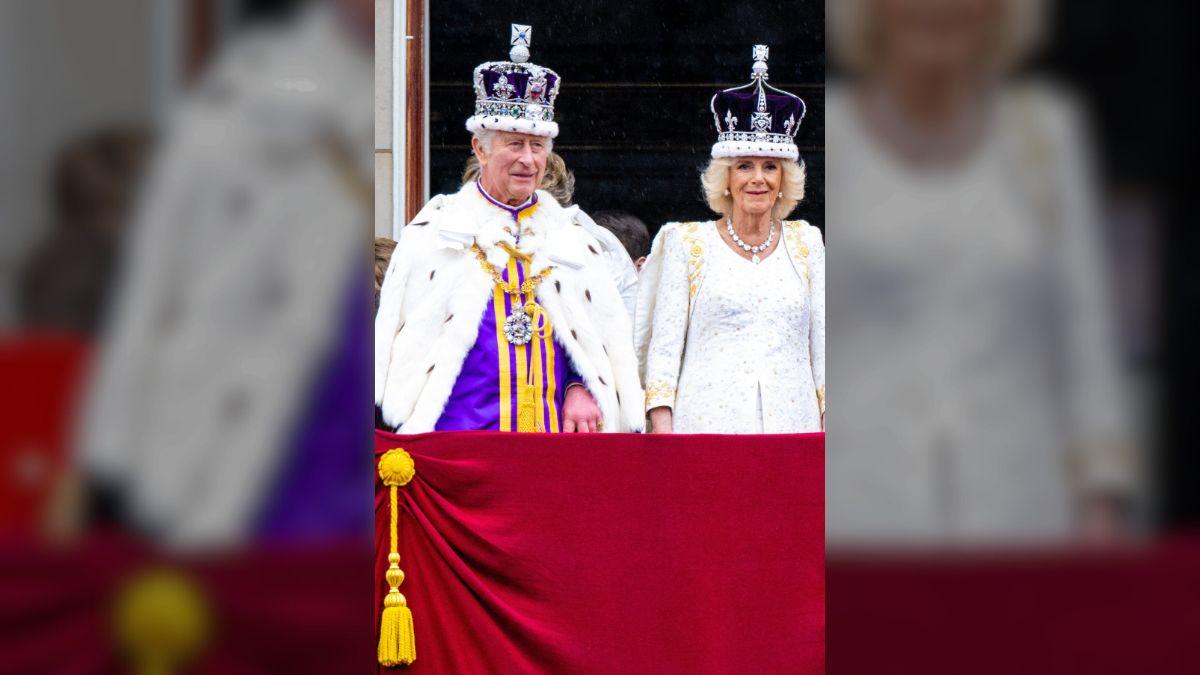
King Charles is now married to Queen Camilla.
Diana understood Camilla was Charles' "soul mate" and that the marriage had been effectively arranged.
Experts have also noted Diana later reflected on how little time she and Charles spent to truly get to know one another before marrying.
Another source said the modern reassessment of Diana's mental health reflects broader cultural change.
"During the 1980s and 1990s, women's emotional distress was frequently downplayed or framed as a character flaw," the insider added. "In a modern setting, though, the same behaviors would be far more likely to trigger medical assessment and support rather than criticism."
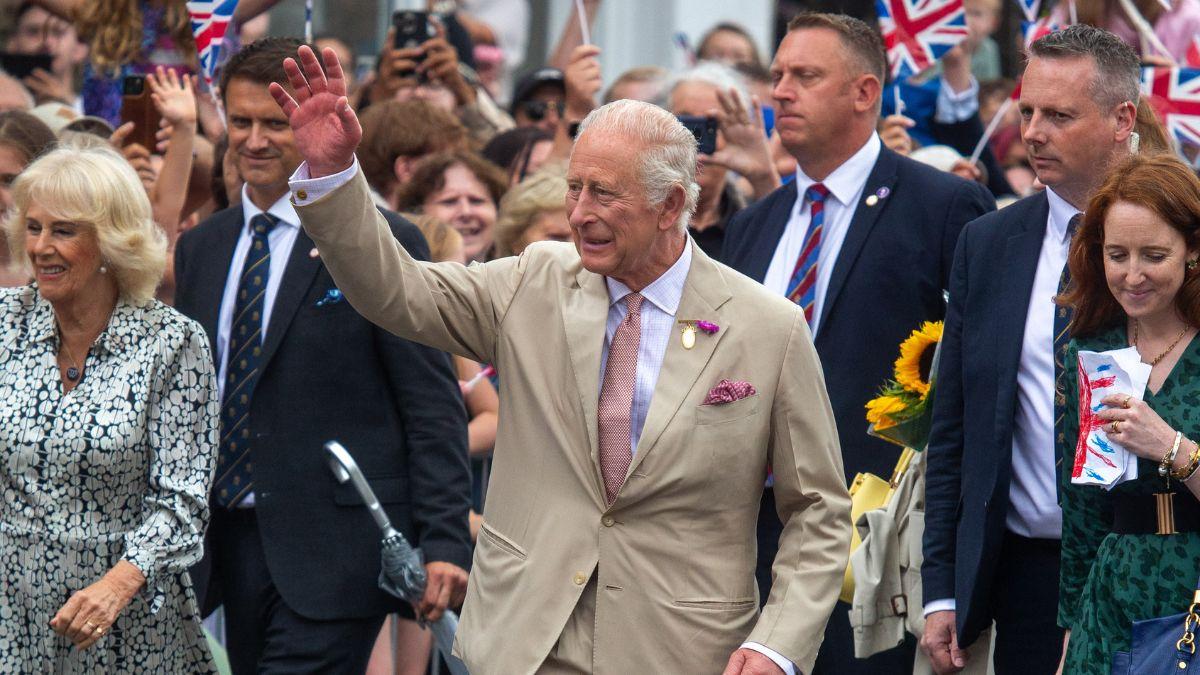
Princess Diana reportedly believed that then-Prince Charles' soulmate was Camilla Parker Bowles.
After their divorce, Diana and Charles – parents to Prince William, now 43, and Prince Harry, 41 – reached what commentators have described as a fragile understanding, particularly around co-parenting and public duty.
Yet those close to the family say the emotional damage of the marriage lingered.
One palace source said: "Looking again at Diana's mental health isn't an attempt to change the past, but to better understand how alone she was and how little support existed around her. Behaviors once described as nightmarish may now be seen as the signs of untreated illness compounded by extreme pressure."