
 ROYAL FAMILY NEWS
The Biggest Revelations From Charles Spencer's New Princess Diana Memoir 'Swan Song'

Princess Diana's brother, Charles Spencer, dropped shocking bombshells in his new memoir, 'Swan Song: Diana, My Sister.'

Oct. 5 2026, Published 7:00 a.m. ET


Charles Spencer is revisiting some of the most personal and painful chapters of Princess Diana's life in his new memoir, Swan Song: Diana, My Sister.
Released on September 22, the book tells the story of the late Princess of Wales' life "from a brother's perspective," 29 years after she died from injuries sustained in a high-speed car crash in Paris, France.
"The aim of this book is to tell the truth about Diana from her brother's perspective, just as I attempted to do when speaking at her funeral. As with my eulogy, I want to speak on Diana's behalf and do so in an openly positive way," Diana's younger brother said.
He added, "I hope this book will be of interest to the many who still cherish the memory of Diana when she was alive, and I would be delighted if those too young to remember her in her heyday feel – after reading this – that they 'get' who she really was: a one-off, dynamic character, full of love, charisma and self-doubt, who gave life a h--- of a go, and left the world a far better place, despite exiting the stage while still so young."
Here are some of the biggest revelations from Swan Song.
How Princess Diana Reacted to Her Father's Second Marriage
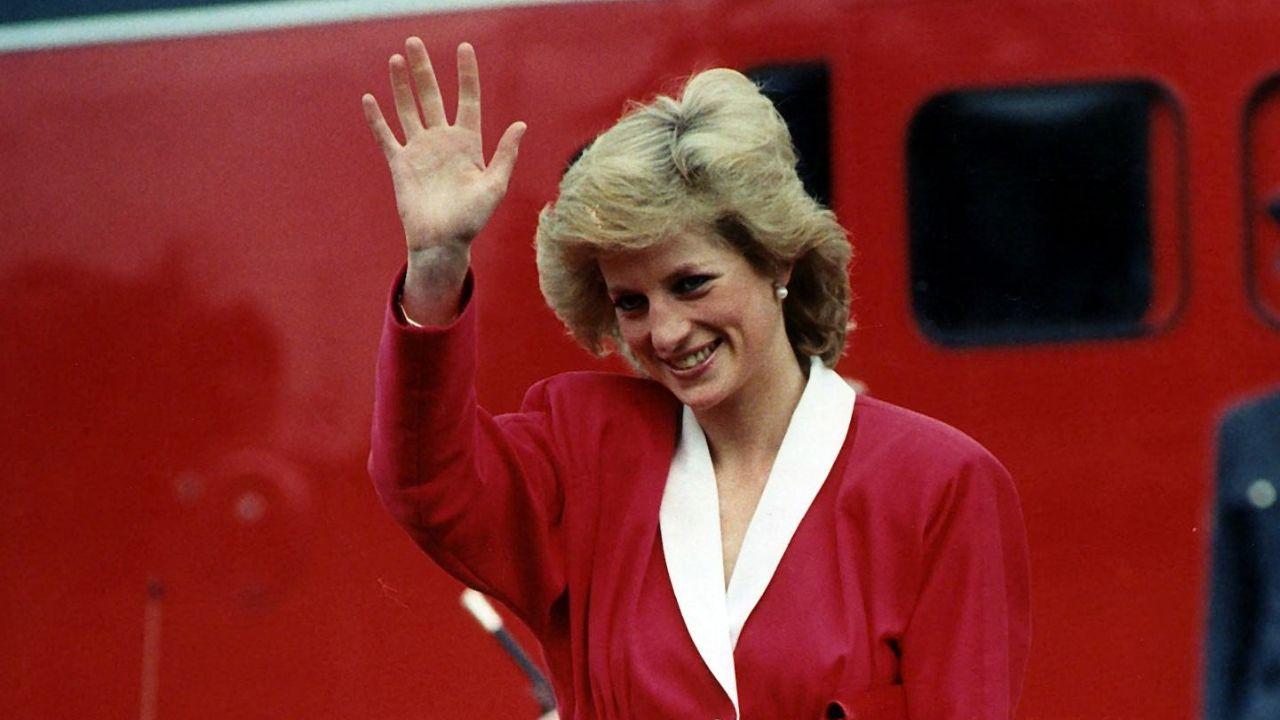
Charles Spencer's 'Swan Song' was released on September 22.
Swan Song revisited the secret marriage of their father, John, to his second wife, Raine, in 1976, which left Diana "so disappointed and outraged that she slapped him across the face."
"[That was] the only time she physically clashed with either parent – while saying, on behalf of Sarah, Jane and me, 'That's for the pain you're causing us all,'" Spencer quoted his sister. "After that flashpoint, Diana continued in her daughterly love, but she never returned our father to his pedestal, and she would afterwards spend much more time with our mother."

Princess Diana Shoved Her Stepmother Down the Stairs
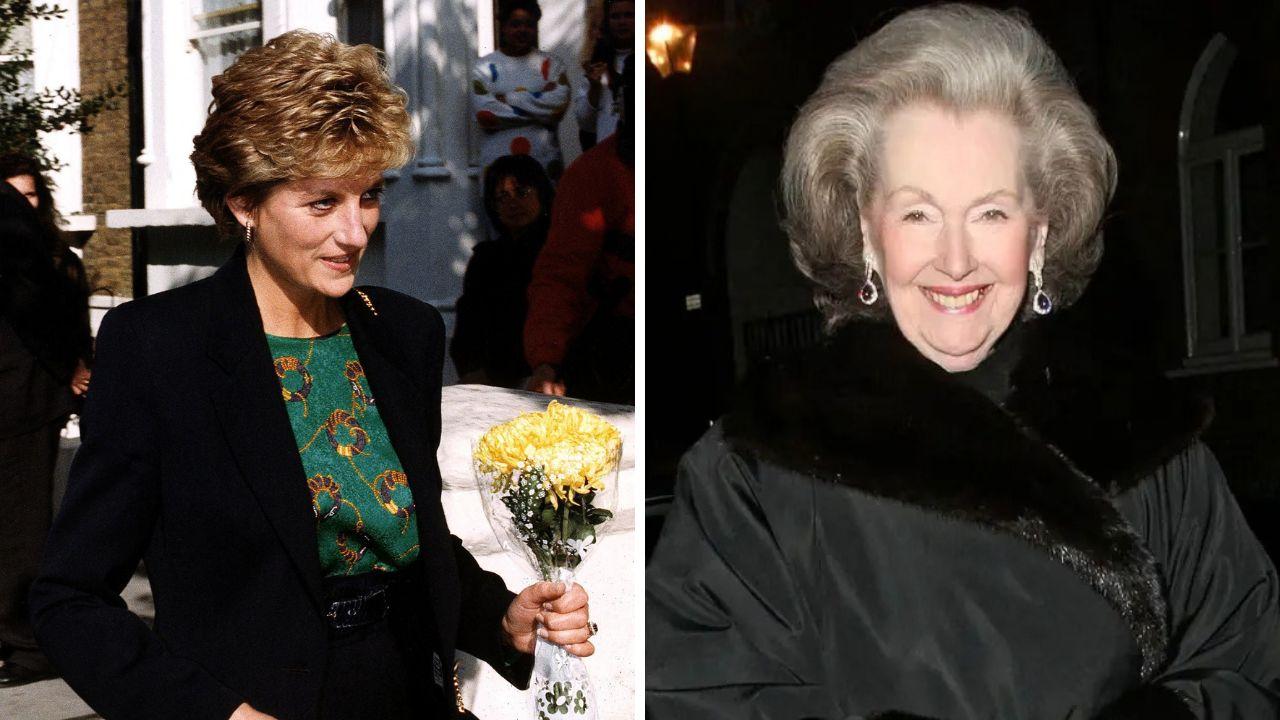
John Spencer was married twice.
According to Spencer, Diana had a physical altercation with their stepmother ahead of his first marriage to model Victoria Lockwood in 1989.
"This drama between two women, both used to always getting their way, unfurled at the top of Althorp's main staircase, in the central hallway known as 'the Saloon,'" he wrote in the book.
Things escalated when the former Countess Spencer told Diana, "I have always felt so very sorry for the Prince of Wales, [then-Prince Charles], marrying somebody quite as stupid as you."
The journalist continued in the memoir, "Diana paused for a second, surprised at the intensity of the spite. She then took a step forward, hooked a long leg round Raine's calves before shoving her down the carpeted staircase. Raine fortunately landed flush on her buttocks, rather than on bone, and got up, leaving the Saloon without a backwards glance."
John Spencer and Queen Elizabeth Shared a 'Romantic Connection'
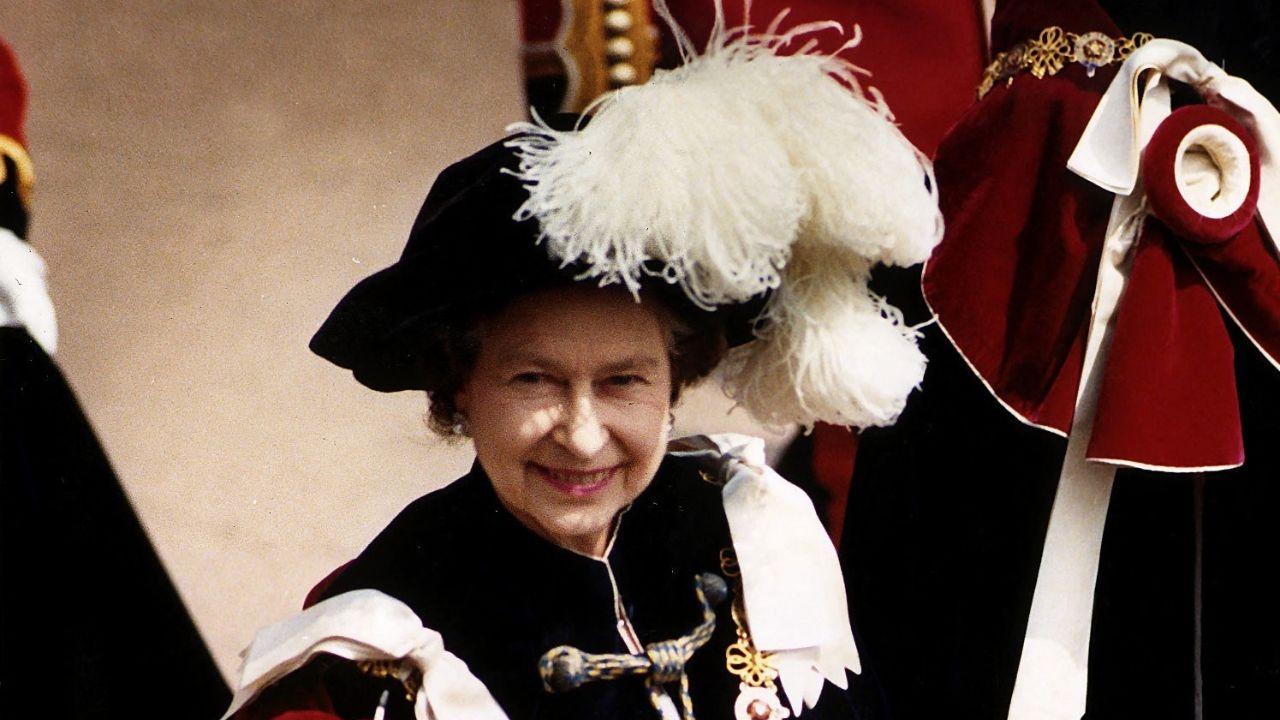
Lord Mountbatten reportedly warned off John Spencer.
Elsewhere in the book, Spencer alleged that his father had "a romantic connection with a young (then-) Princess Elizabeth, which was ended by Lord Mountbatten.
"He summoned my father and told him that any ambitions he had for securing the Queen's affections were out of the question," he wrote. "He must end whatever nonsense he was part of. Perhaps Mountbatten was clearing the way for his nephew, Prince Philip. Whatever, my father, brought up on a code of respect for the Royal Family and having spent years in the military obeying senior officers, stepped aside as commanded. Afterwards, he loathed Mountbatten with a passion."
According to Diana's sibling, the story remained a closely guarded family secret for decades.
He also pointed to a letter his father received from his aunt, Lady Margaret Douglas-Home, days before Diana married Charles.
"Darling Johnnie, I am the only person left who knows the whole story, & I so admire and love you so much for it all," she reportedly wrote.
"She also marveled at how the world was about to come full circle, with my father's daughter marrying the Queen's son: 'I felt I must write you one line to say how much I think of you, especially on next Wednesday… All my love, Margaret,'" he continued.
Charles Spencer Believes Princess Diana Had ADHD and RSD
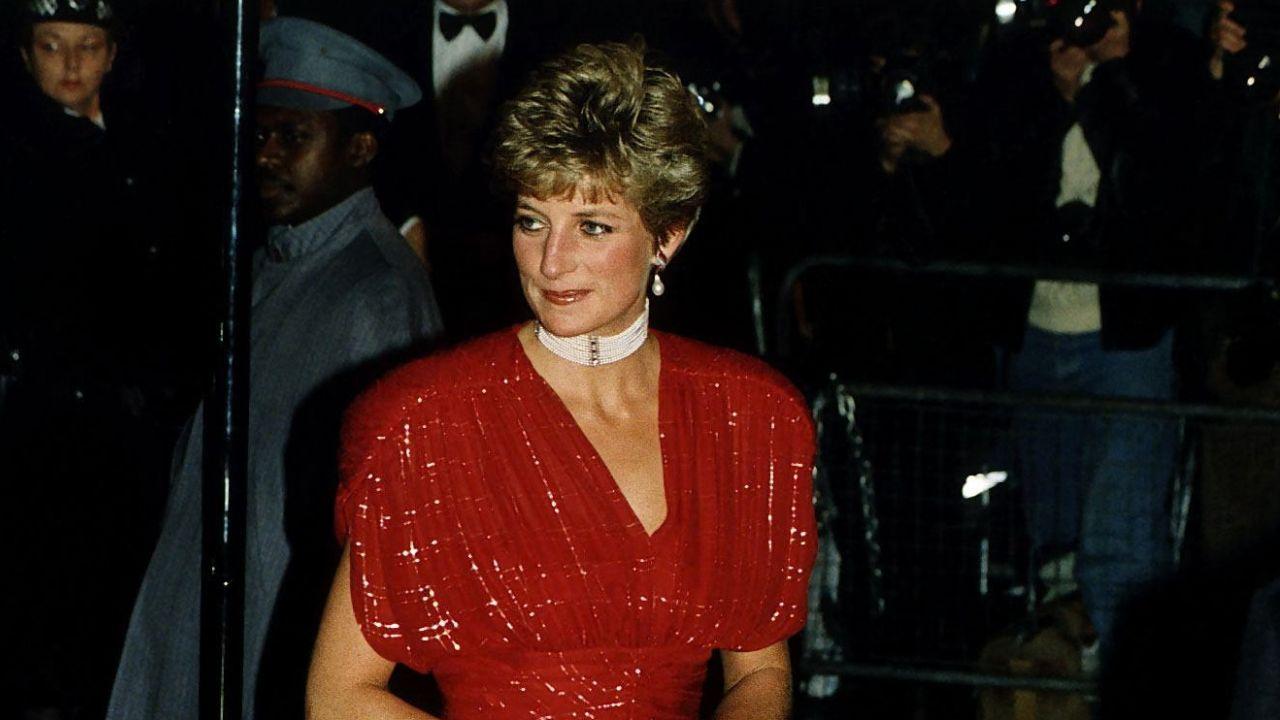
Princess Diana reportedly had difficulties with concentration.
Swan Song explored Spencer and Diana's reported contemplation of suicide, with the author also sharing his belief his sister may also have suffered from rejection sensitive dysphoria (RSD) and attention-deficit/hyperactivity disorder (ADHD).
"It is easy for outsiders to ask, why would she care what the papers were saying about her, since she had it all – health, beauty, fame and status? But that is now how some with ADHD experience attacks by others," he penned in the book.
King Charles Told Princess Diana He Wasn't in Love With Her Before Their Wedding
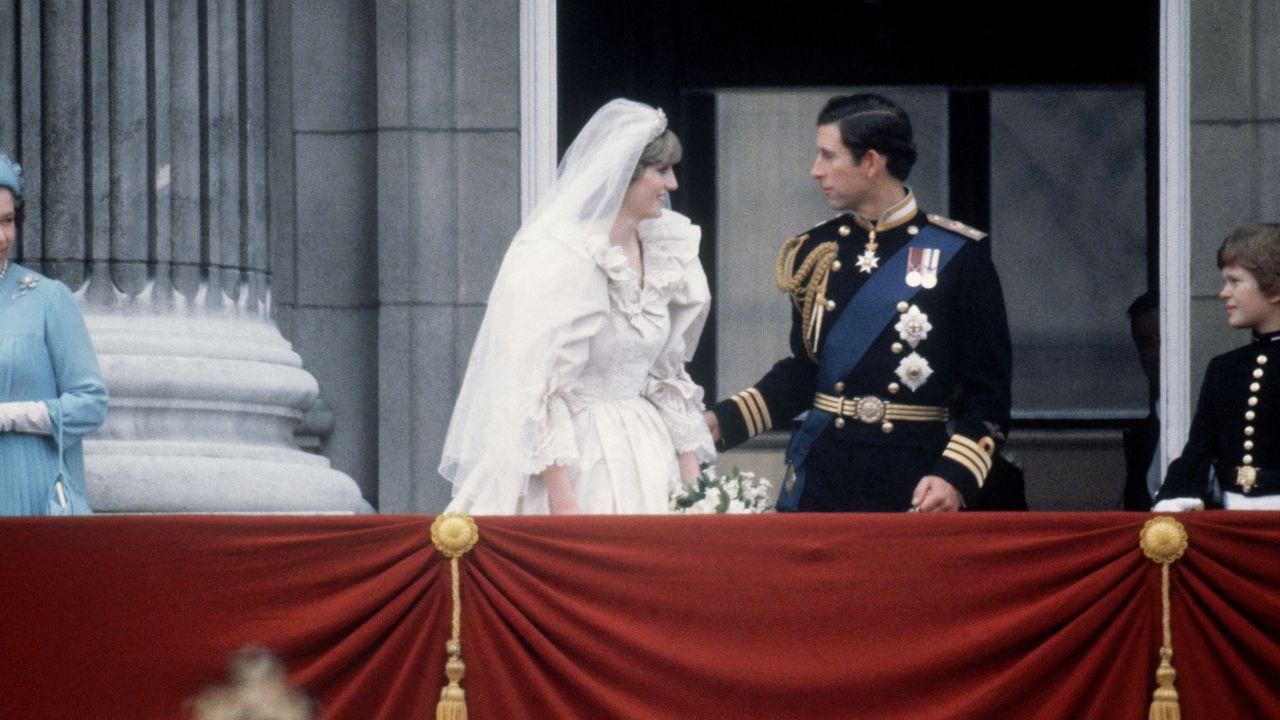
King Charles married Queen Camilla in April 2005.
Spencer made one of the biggest claims about Charles and Diana's marriage in Swan Song, revealing the future king told Diana he was not in love with her shortly before their 1981 wedding.
"Diana looked up at me, from above the lusciousness of her dress, waiting for the Spencer tiara to be attached to her hair, and I noticed with concern that she was clearly very tired," Spencer recalled. "She was also dramatically transformed from the casual Diana who I knew so well. The generous make-up, applied to counter the punishing lights set up by TV crews in St Paul's, gave her a stately pallor."
He added, "I suddenly realized, for the first time in my life, that my big sister had grown into a beautiful woman. I opened with 'Best of luck, Duch – you look amazing!' and she smiled at that extremely rare brotherly compliment on her appearance."
Spencer remembered how Diana appeared tired and noticeably sad after receiving what he later described as a "hammer blow."
- Princess Diana's Brother Makes Startling Claim About King Charles' Reaction to His Ex-Wife's Death in New Book
- Princess Diana's Brother Doubles Down on King Charles' 'Monstrous' Alleged Remarks: 'I’m Telling the Truth'
- Princess Diana's Brother Charles Thinks His Late 'Extraordinary' Sister Would 'Approve of Every Word' in His New Book About Her
Want OK! each day? Sign up here!
Princess Diana Claimed King Charles Was 'in Love With His Valet'
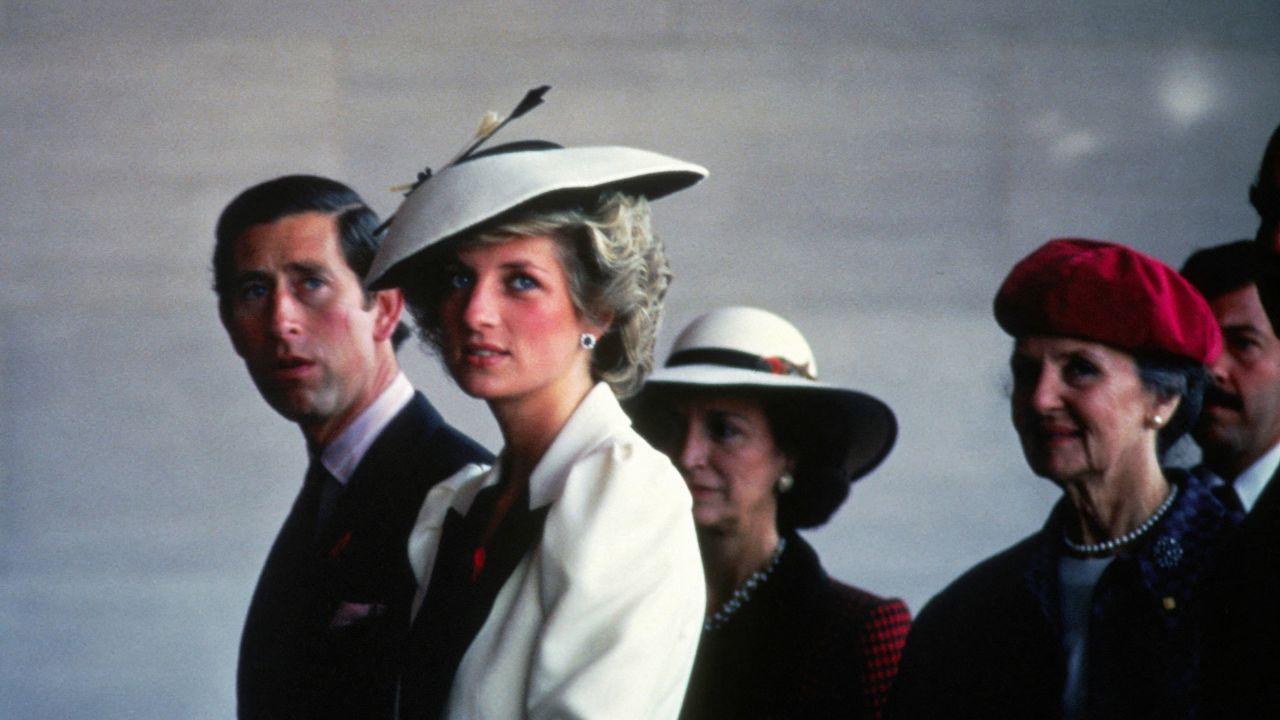
Michael Fawcett served as King Charles' close personal aide during his marriage to Princess Diana.
Spencer also wrote that Diana once told him her marriage to Charles was ending because her then-husband was "in love with his valet."
"I gulped. 'Well, I guess, in that case, you really don't have a choice,'" Spencer wrote. "She did not name the member of staff, and I never asked her who it was, or why she would believe such an improbable thing. It was not important: the end of her marriage, and of her dreams, was."
King Charles Was 'Giddily Elated' When Princess Diana Died
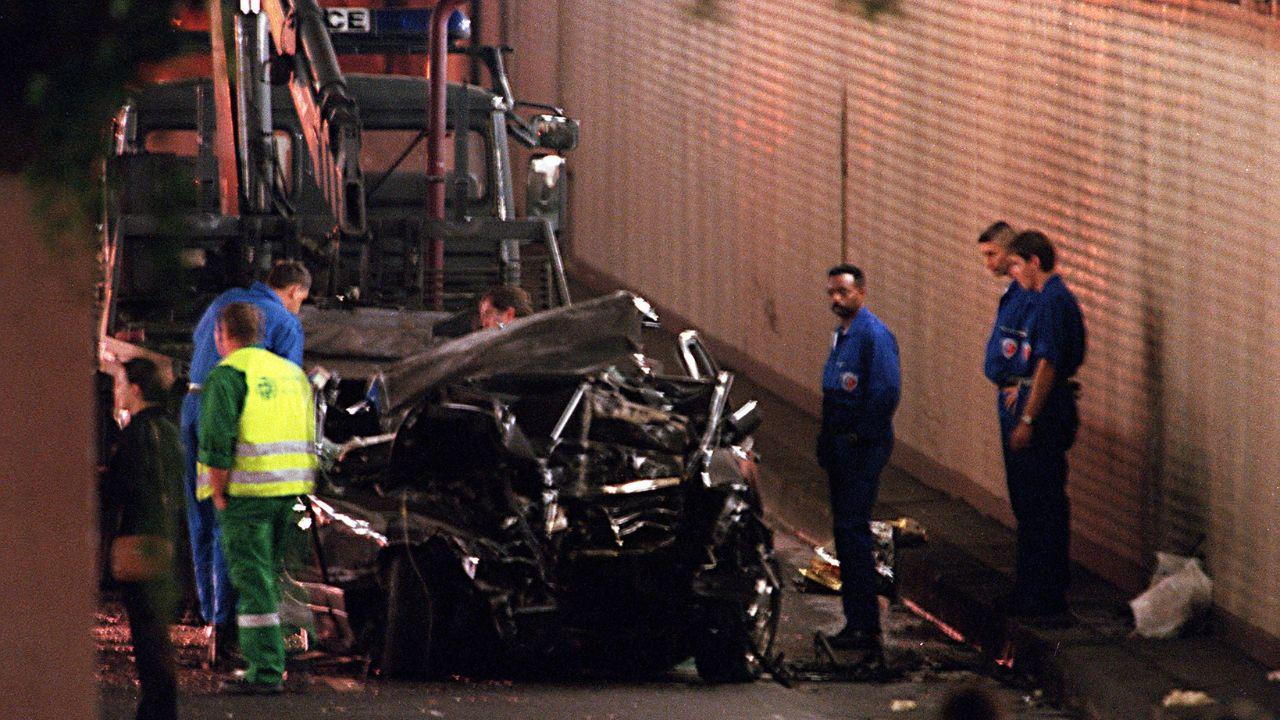
Princess Diana died on August 31, 1997.
Spencer recalled having two phone calls with Charles shortly after Diana died on August 31, 1997, writing the then-heir apparent "sounded giddily elated — like a lottery winner" after hearing the news.
"Looking back now, I suspect the prince's first reaction must have been to think more of how this event might free him to marry the woman he loved, rather than appreciating the loss of one he did not," he wrote in the book. "It can be hard to feel too much sympathy for an ex-spouse, or those who care for them profoundly, after bitter divorce."
Queen Elizabeth Offered to Reinstate Princess Diana's HRH Title After Her Death
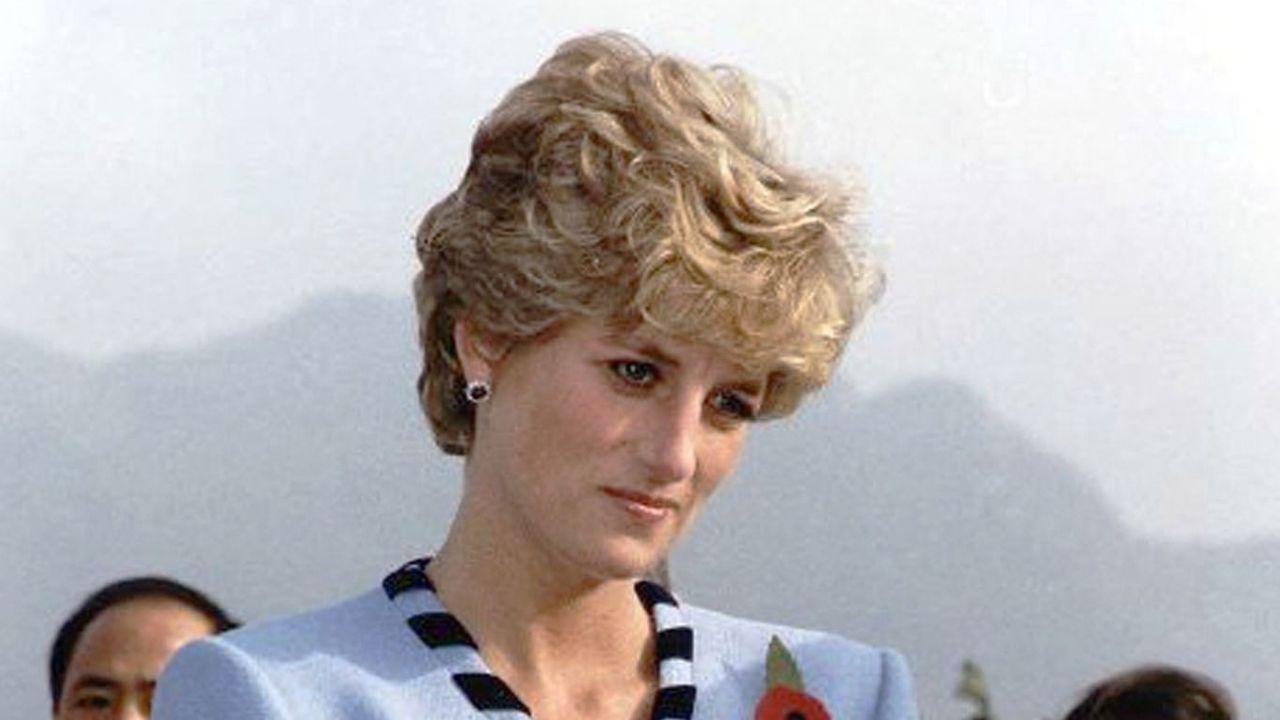
Princess Diana and King Charles finalized their divorce in August 1996.
Diana was "dreadfully hurt" when she lost her HRH title after officially divorcing Charles. After her death, Queen Elizabeth reportedly offered to restore Diana's royal title.
"While she was no longer to be married to one future king, she would always be mother to another. After a moment, I felt that I knew in my bones how she would view this posthumous award: 'That's very kind of the Queen, of course. But what's the point, Robert?, Now? I mean – Diana's dead,'" he asked.
At the time, Spencer viewed the offer as a "hollow" consolation because he believed Diana should never have lost the title while she was alive.
"The title should never have been removed during her life, in which case it would not have been necessary to offer it to her in death," he stressed.
Princess Diana's Family Wanted a Private Funeral
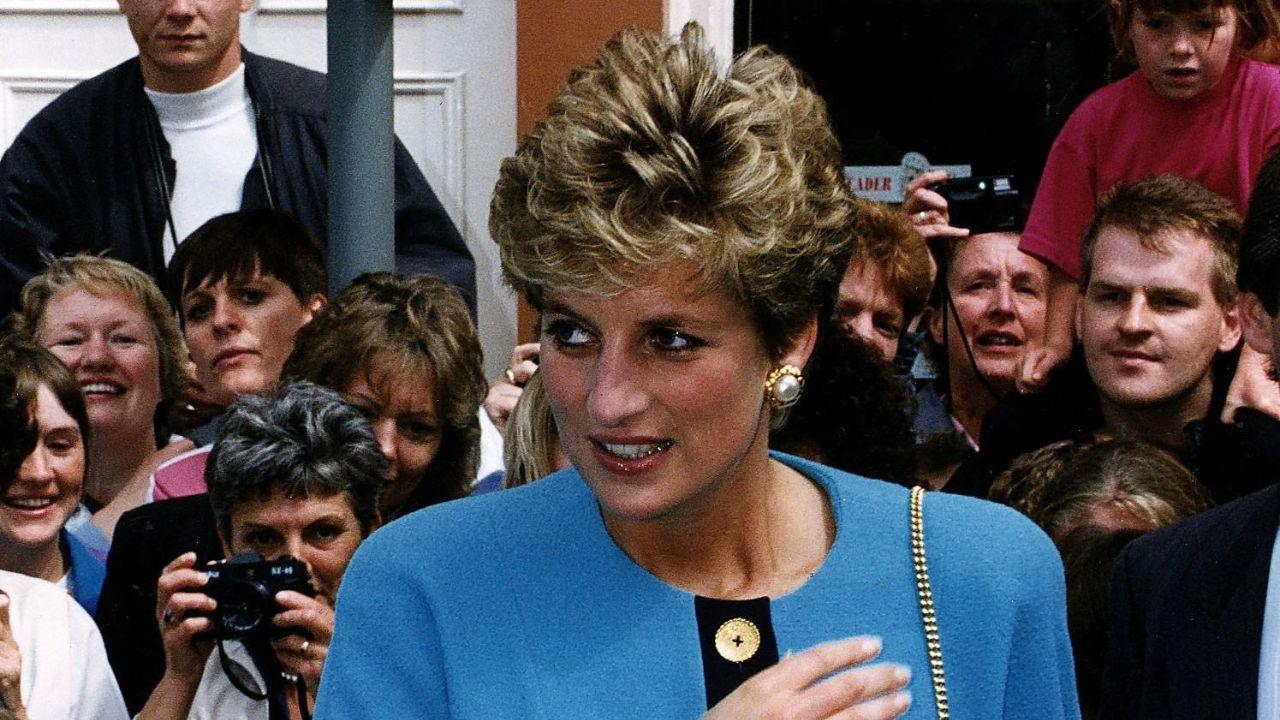
The funeral took place at Westminster Abbey.
Diana's family initially wanted her funeral and burial to remain small and private, as they felt protective of the princess after years of intense public attention.
"Some of us were angry, and protective, feeling we had lent Diana to the world for a decade and a half, and that that sacrifice had ended in the darkest of tragedies," Spencer scribed, adding the family wanted a "quiet and dignified committal and safekeeping."
He added, "This, we felt, should be as we saw fit, and certainly in private."
Elsewhere in the book, Spencer revealed the sovereign "wanted Diana's coffin to be placed in the royal burial ground at Frogmore, near Windsor Castle, where princes and princesses generally end up." However, the family ultimately decided to bury Diana at her family's estate following her funeral.
"My family was determined that Diana must come home to Althorp. We knew she would have wanted to do so. Besides, having had her HRH title removed as part of the package of humiliation handed to her at her divorce, almost a year to the day before her death, Diana was no longer eligible for royal Frogmore," the 9th Earl Spencer said.
Prince Harry Was Not Being Properly Cared for After Princess Diana's Death
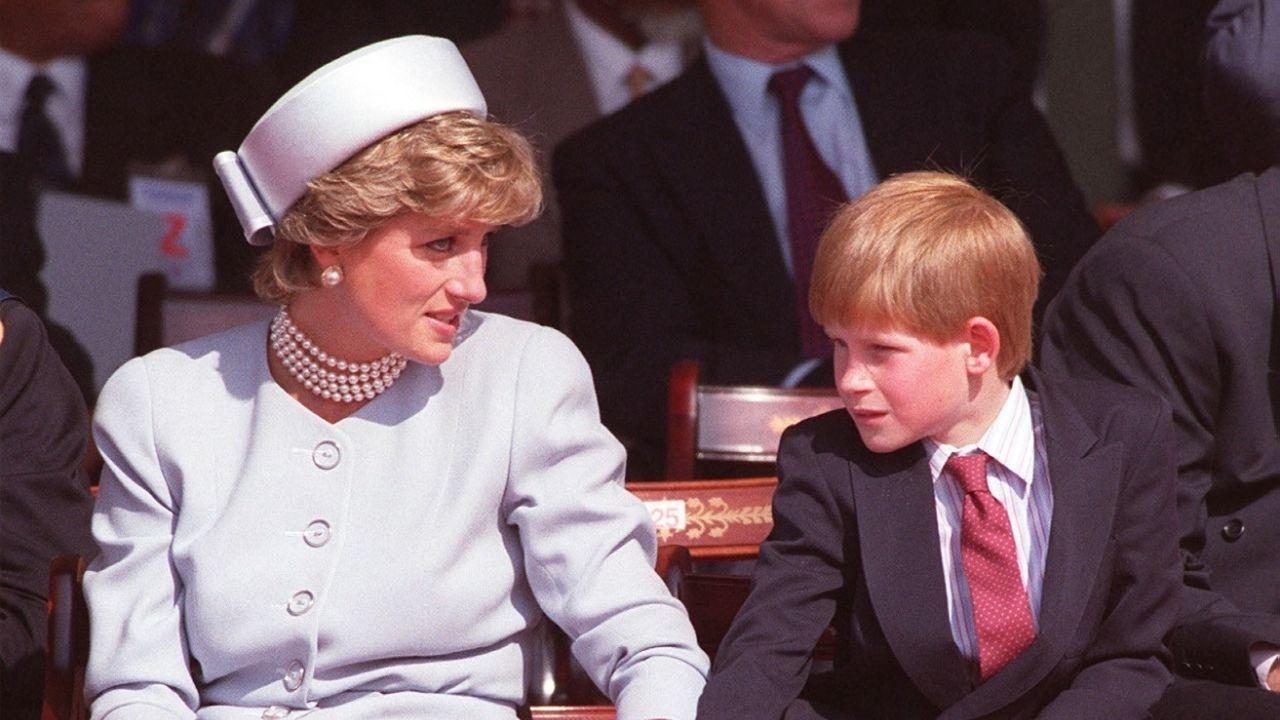
Princess Diana and King Charles had two children together.
In Swan Song, Spencer recalled being concerned that Diana's younger son, Prince Harry, was not receiving enough emotional support in the days following his mother's death.
"My chief memory of that train journey is of being concerned at the lack of obvious care for Harry, as he decompressed from the ghastliness of the morning," he remembered, describing the then-12-year-old "seemed so very alone in his despair and torment."