
 EXCLUSIVE
The Bruising Reasons Kate Middleton's Cancer Recovery 'Has Been Far More Brutal Than the World Thinks'

Kate Middleton's cancer recovery has been more 'brutal' than people think.
Feb. 15 2026, Published 5:00 a.m. ET


Kate Middleton has been praised for her serene public composure since returning to royal life, but behind the scenes, her recovery from cancer has been far more punishing than appearances suggest, according to sources who tell OK! the process has been physically and emotionally exacting.
The Princess of Wales, 44, pulled out of attending the second day of Royal Ascot on June 18, despite being listed in the official carriage procession alongside her husband, Prince William, 43.
The late withdrawal came after a demanding run of public engagements and was widely interpreted as a reminder that her return to duties remains carefully managed following a serious health battle.

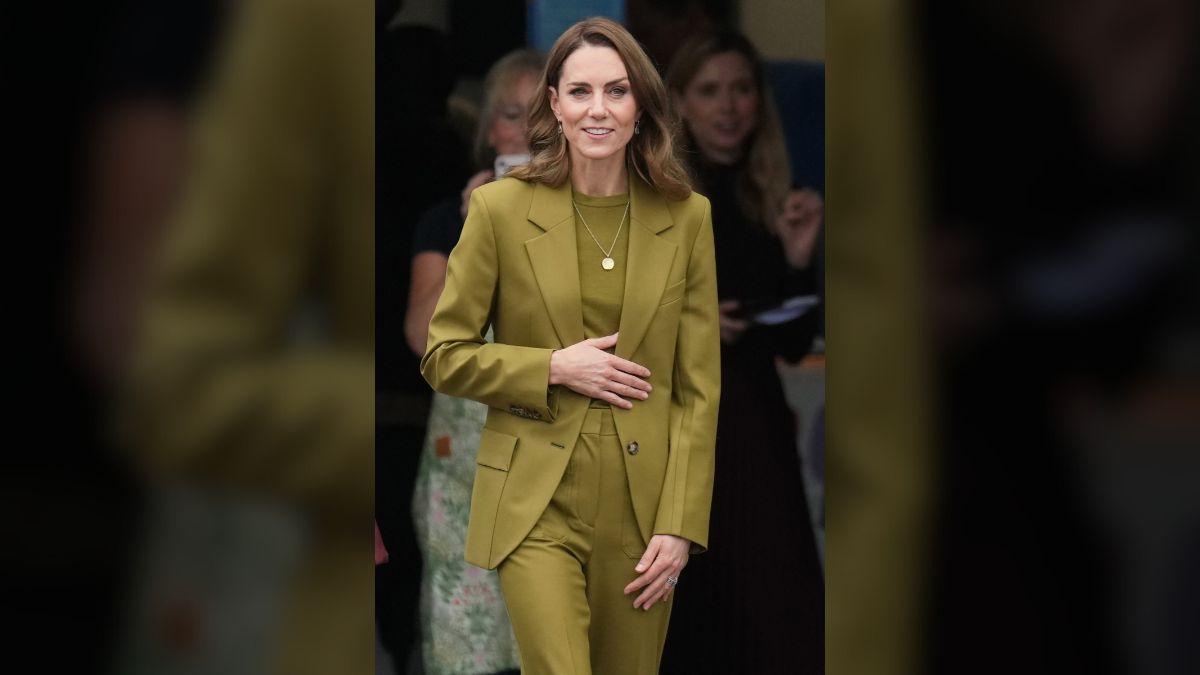
Kate Middleton underwent major abdominal surgery in January 2024.
Kate underwent major abdominal surgery in January 2024 and was later diagnosed with an undisclosed form of cancer, which she revealed publicly in March that year.
She spent much of 2024 away from public view before announcing in September that she had completed a course of treatment. In January 2025, she confirmed she was in remission.
Since then, she has gradually resumed royal duties, including attending the Commonwealth Day service in March and the Garter Day service earlier this week.
But sources say the road back has been anything but straightforward.
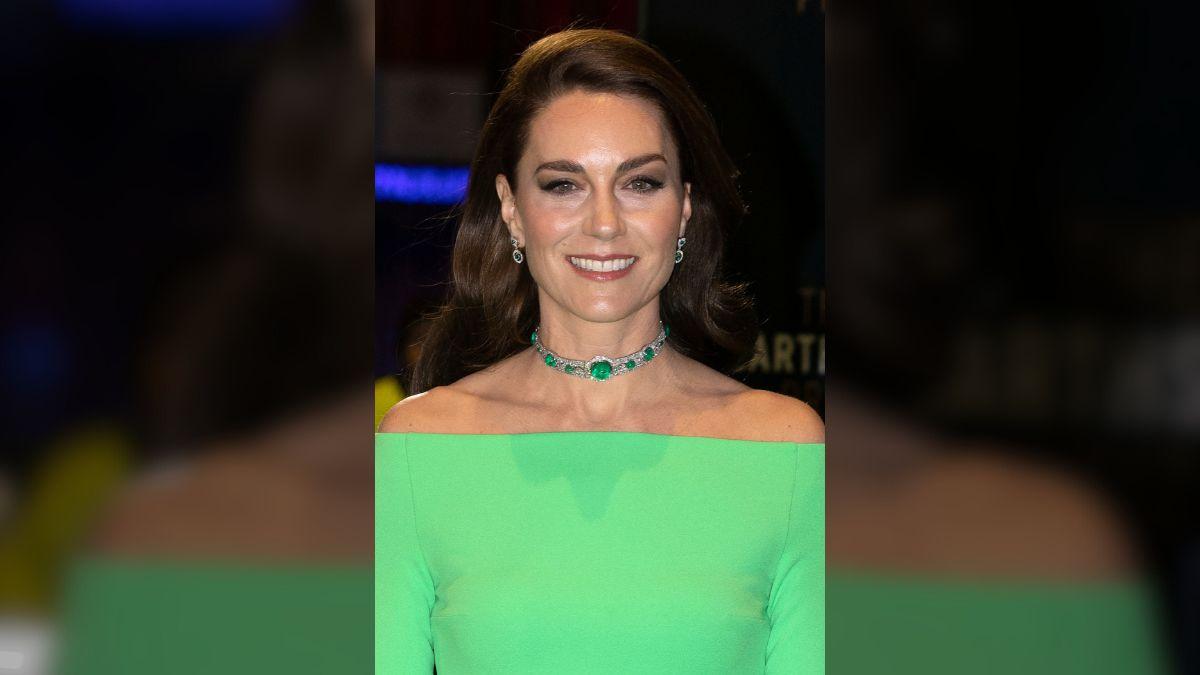
Princess Kate underwent major abdominal surgery.
One aide added: "Catherine is deeply committed to showing up and fulfilling her role, but the reality of her recovery has been far harsher than it appears from the outside. There are days when the physical and emotional cost of appearing composed is far greater than anyone watching would ever suspect."
Kate had been expected to attend Royal Ascot with William and other senior royals, following her appearance at Trooping the Colour on June 14 and the Garter Day service on June 16.
The sequence amounted to three major public events in five days, alongside family commitments including Father's Day.
Another source said: "For someone still in recovery, the cumulative physical and emotional demands are immense. It would be taxing for anyone, but in her condition the weight of it all is magnified."
Royal Ascot officials were informed in advance Kate would not take part in the carriage procession, but an administrative error meant an outdated program was released listing her in the second carriage behind King Charles, 77, and Queen Camilla, 78.
A correction was later issued acknowledging that an inaccurate version had been circulated.
Want OK! each day? Sign up here!
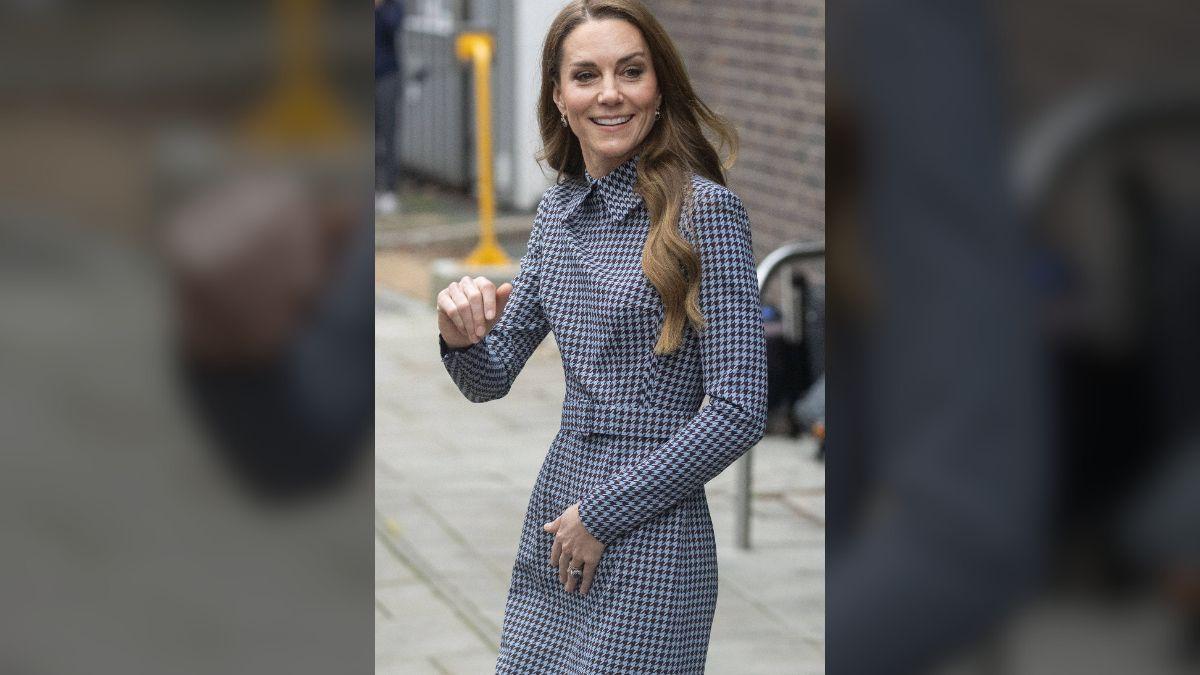
Princess Kate is committed to fulfilling her role post-cancer battle.
According to insiders, the decision to withdraw was not taken lightly.
One source said: "There was genuine disappointment at having to step back, but Catherine is also clear-eyed about her limits. Pushing herself for appearances would no longer be an act of resilience, but a risk to her recovery."
The source added Kate pacing herself had become central to her recovery, even when it meant public disappointment.
Those close to the princess add the contrast between her calm public demeanor and the reality of her condition has created misconceptions.
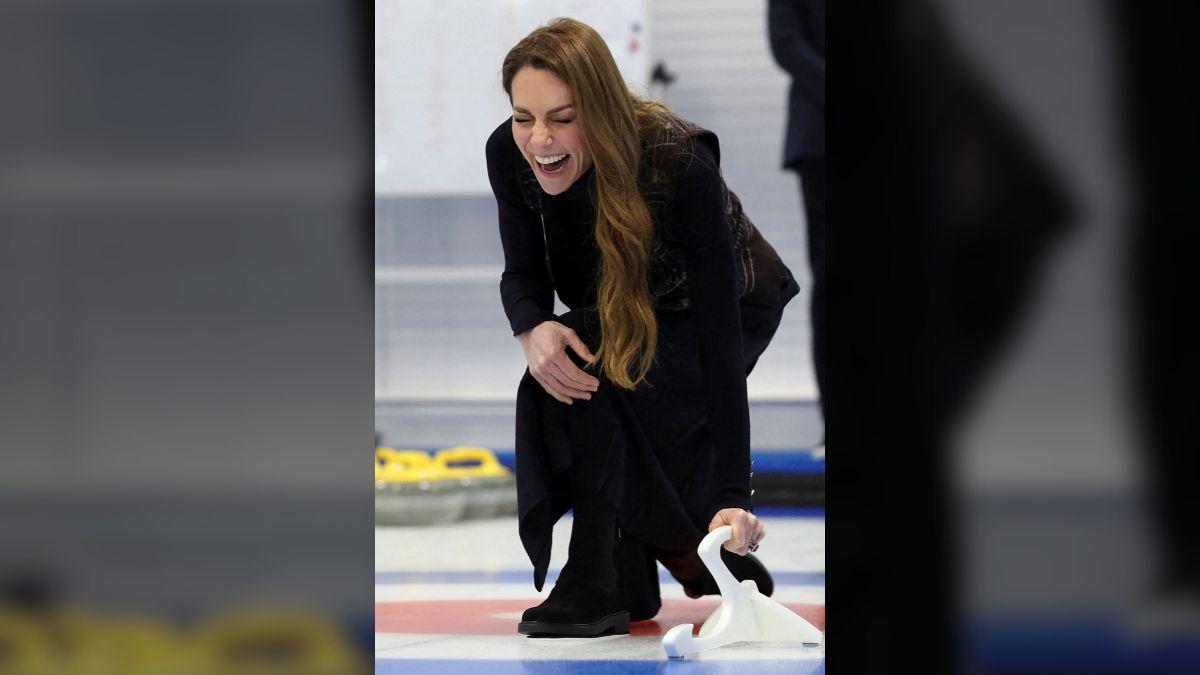
Princess Kate needs to protect her 'long-term health,' a source said.
"From the outside her recovery appears seamless, but that impression conceals persistent exhaustion, ongoing side effects, and a continual assessment of how much Kate's body can reasonably give," one source said. "Basically, it has been a far more brutal and bruising recovery than the world thinks."
Since entering remission, Kate has appeared less frequently in public than she did before her diagnosis in 2023.
Palace officials have emphasized that her schedule will remain flexible, with appearances assessed week b -week rather than committed far in advance.
"The focus now is on equilibrium rather than appearances," a source said. "Protecting her long-term health matters far more than meeting short-term expectations."