
 EXCLUSIVE
Hollywood Weight Loss Jabs Shocker — How Fat-Fighting Drugs Could Leave the World's Biggest Stars With Painful Complications

Here's how weight loss drugs could put Hollywood stars at risk of bone and tendon injuries.
March 22 2026, Published 10:00 a.m. ET


OK! can reveal experts are warning the blockbuster weight-loss injections now sweeping Hollywood could carry a troubling hidden cost – with new research suggesting the drugs may significantly raise the risk of bone disorders and tendon injuries that could leave patients facing painful, long-term complications.
The warning comes as celebrity-favorite GLP-1 medications – including the hugely popular Ozempic, Wegovy, Mounjaro and Zepbound – have surged in use among celebrities and the wider public seeking rapid weight loss.

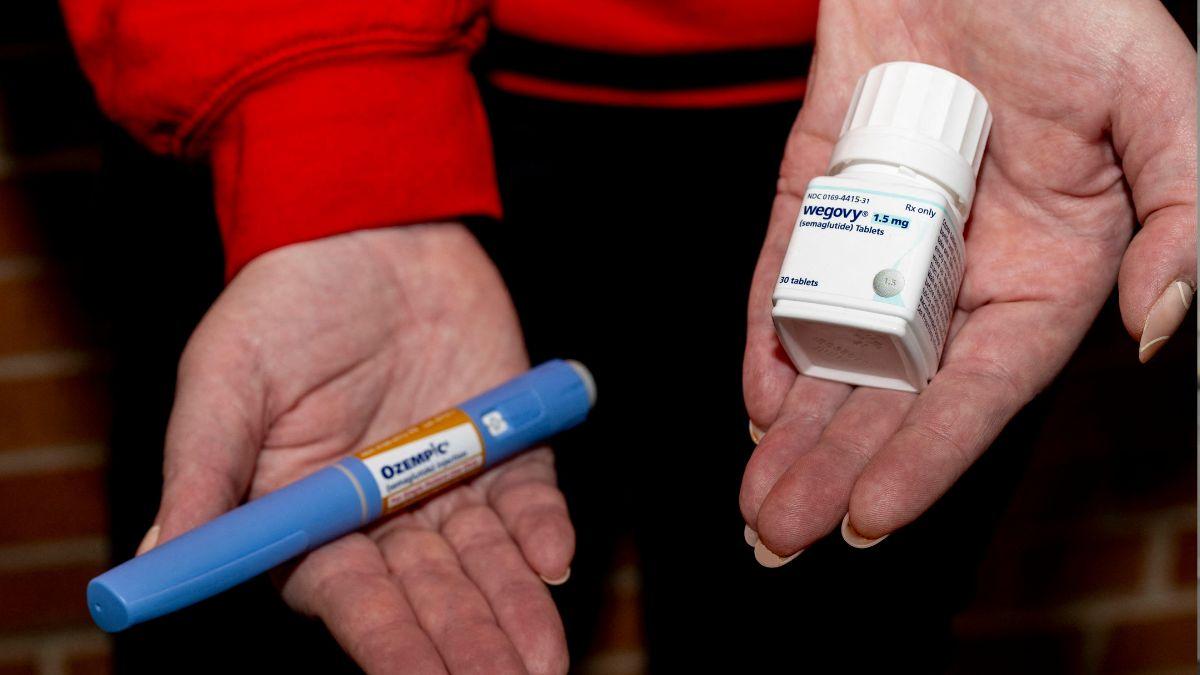
Experts say weight-loss injections could raise the risk of bone disorders and tendon injuries.
They mimic a hormone that suppresses appetite and regulates blood sugar, helping patients shed substantial amounts of weight. But findings presented at the American Academy of Orthopaedic Surgeons' annual meeting indicate the medications may also affect the body's structural system, including bones, tendons and joints.
Researchers analyzed electronic health records from nearly 150,000 patients across the United States, examining the long-term physical consequences of GLP-1 treatment over a five-year period.
Researchers from the University of Pennsylvania found those taking GLP-1 drugs faced a nearly 30 percent higher risk of developing osteoporosis – a disease that weakens bones and leaves them prone to fracture.
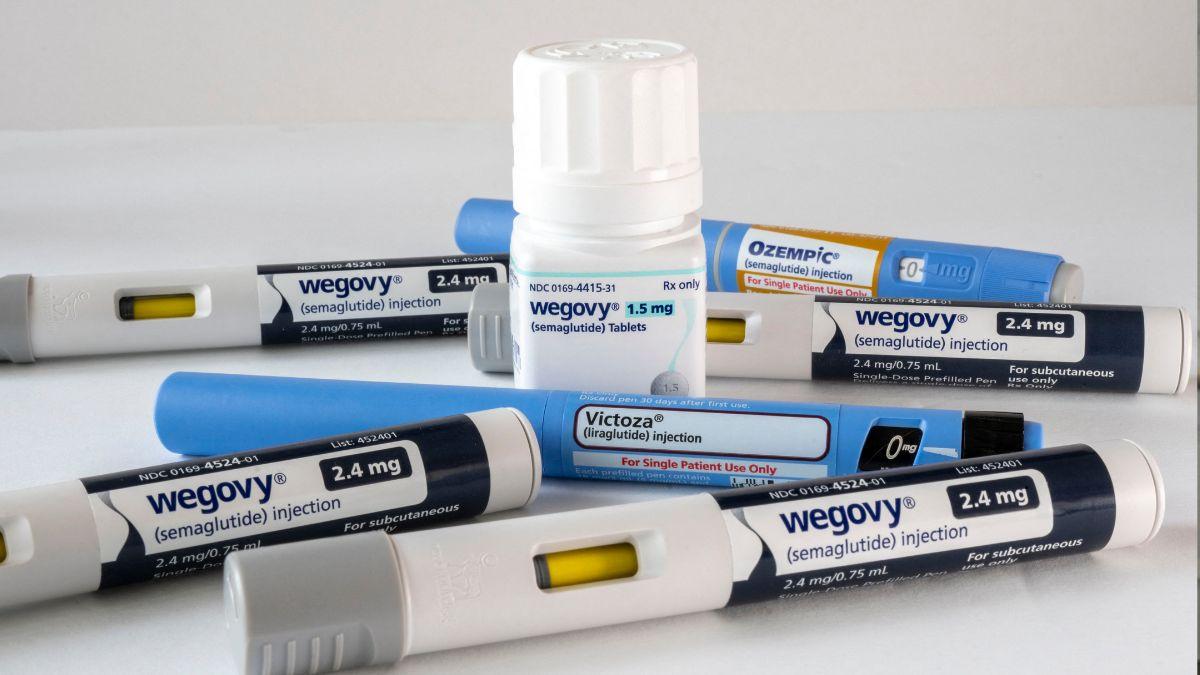
University of Pennsylvania researchers found those taking GLP-1 drugs faced a nearly 30 percent higher risk of developing osteoporosis.
The risk of gout, a painful form of inflammatory arthritis caused by needle-like crystals forming in joints, rose by 12 percent.
Osteomalacia, a rarer condition involving softening bones caused by poor mineralization, increased by more than 150 percent.
Clifford Rosen, a professor of medicine at Tufts University who was not involved in the research but studies bone health and GLP-1 drugs, said the population-wide risk remains relatively small – yet the implications for individuals could still be serious.
He said about the stats: "Adding another percent on top of that could be devastating."
For older adults in particular, bone fractures can trigger a cascade of health problems that some patients never fully recover from. Postmenopausal women are thought to be especially vulnerable, as fracture risk naturally increases in the years following menopause.
Separate analysis suggests the flab-fighting drugs may also be linked to a dramatic rise in tendon injuries. Over five years, GLP-1 use was associated with roughly a 50 percent increased risk of several tendon ruptures, including injuries affecting the pectoralis major, the rotator cuff and the Achilles tendon.
The researchers began investigating the issue after noticing an unusual pattern among patients arriving at clinics with unexplained injuries.
Want OK! each day? Sign up here!
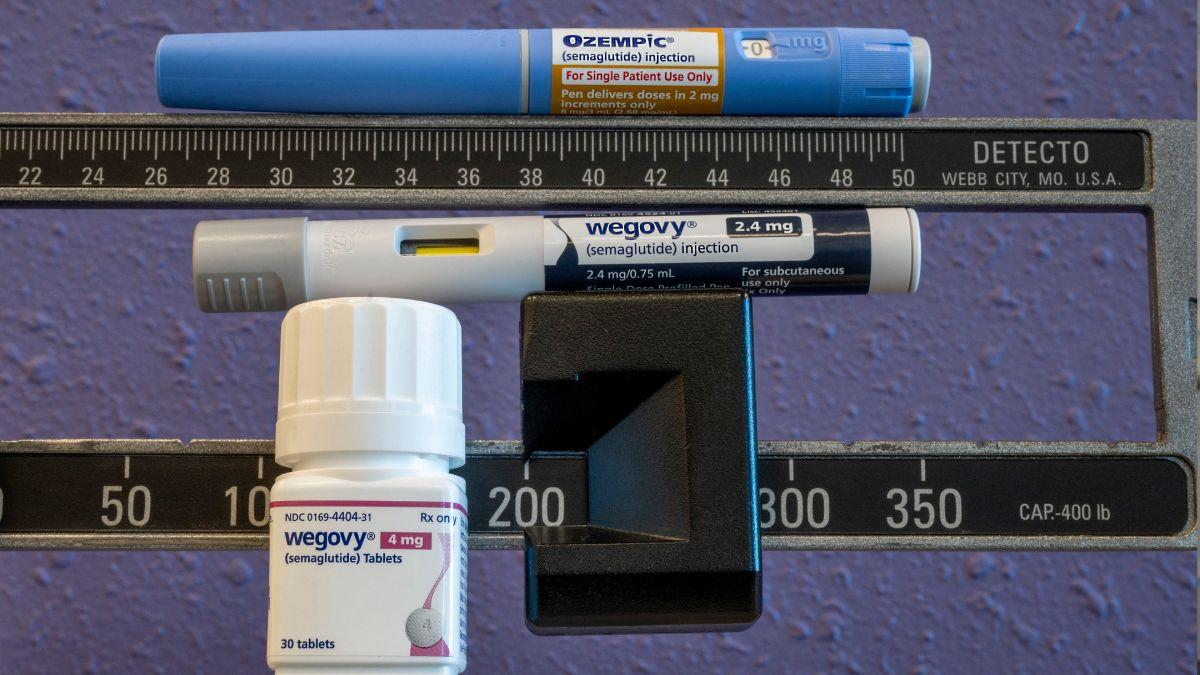
GLP-1 use was associated with roughly a 50 percent increased risk of several tendon ruptures.
In some cases, patients reported unexpectedly severe injuries during everyday activities rather than extreme physical exertion.
Scientists believe the issue may be connected to how the body responds to rapid weight loss. Bone, muscle and tendons function as a tightly connected system that continuously breaks down and rebuilds itself. Under normal circumstances this process operates in balance, but sudden changes in body weight may disrupt the cycle.
Experts also say hormonal changes triggered by GLP-1 medications may also interfere with bone metabolism, while appetite suppression could lead to nutritional deficiencies that prevent bones from rebuilding properly.
Manufacturers of the medications said patient safety remains their priority.
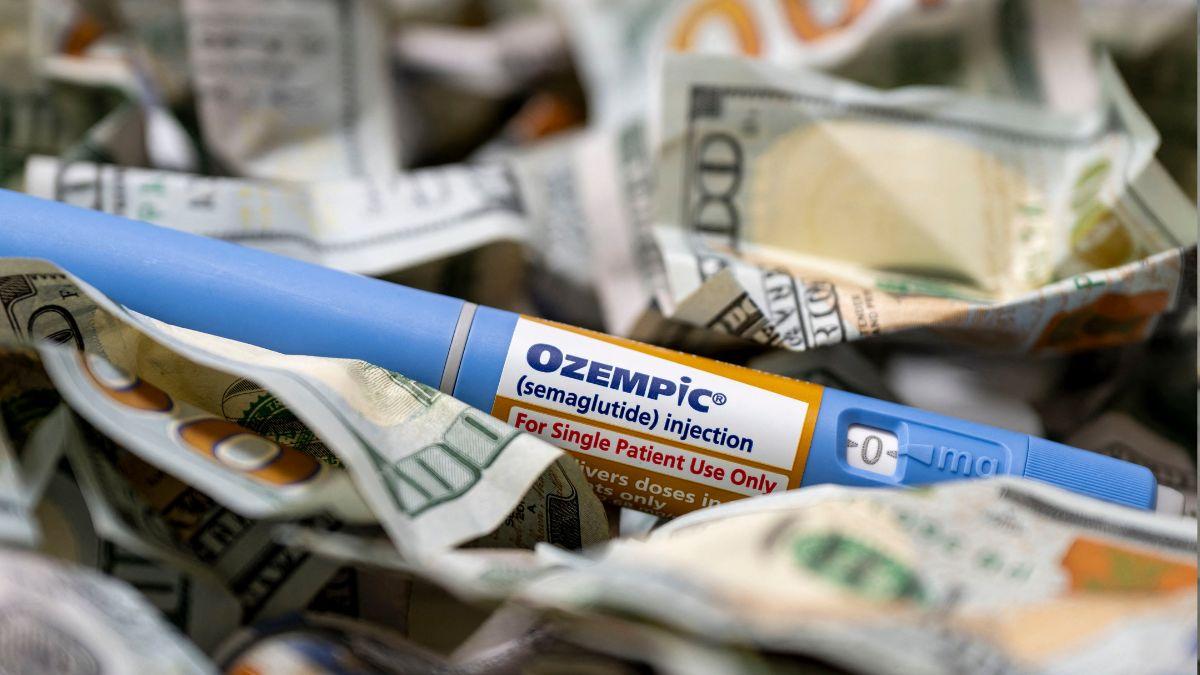
Experts say hormonal changes triggered by GLP-1 medications may interfere with bone metabolism.
A spokesperson for Novo Nordisk, which produces Ozempic and Wegovy, said: "We prioritize patient safety."
Eli Lilly, maker of Mounjaro and Zepbound, said it actively monitors safety data for all its medicines.
Physicians stress the medications still offer major health benefits, including improved blood sugar control and reduced risk of cardiovascular disease. But doctors warn the findings highlight the importance of careful monitoring and lifestyle changes while taking the drugs.